



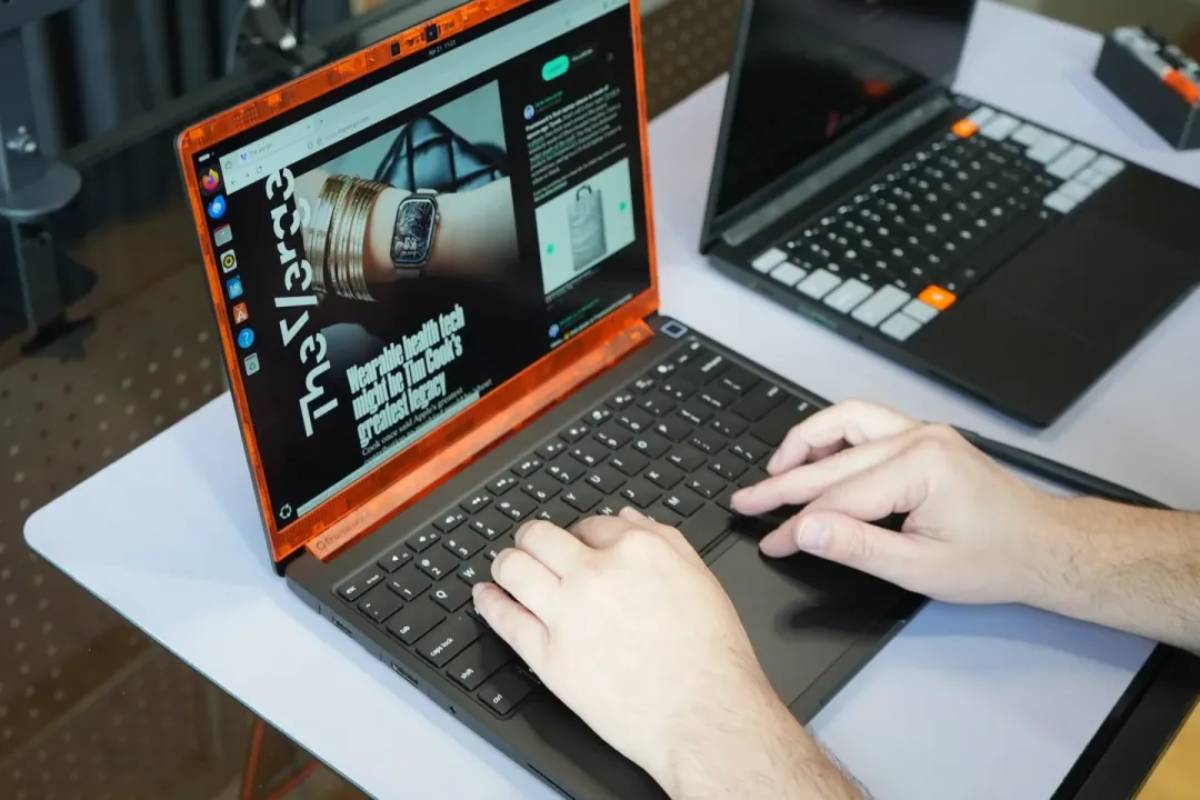
A notable development emerged in the premium computing market as Framework announced a one-month delay in the first shipments of its highly anticipated Laptop 13 Pro. The postponement highlights the persistent operational and supply-chain pressures facing hardware manufacturers, even as demand for AI-ready and upgradeable computing devices continues to rise globally. The delay impacts early customers, investors, and industry observers tracking the evolution of sustainable and modular hardware ecosystems.
Framework confirmed that initial shipments of the Laptop 13 Pro will be delayed by approximately one month, moving expected deliveries from July into August. The company cited production and readiness considerations as key factors behind the revised schedule.
The Laptop 13 Pro represents Framework’s latest effort to expand its portfolio of modular and repairable computing products. The company has positioned the device as a premium offering targeting professionals, developers, and technology enthusiasts seeking long-term hardware flexibility.
Customers who preordered the system have been notified of the revised timeline. While the delay is relatively short, it underscores the complexity of launching new hardware products amid evolving supply-chain dynamics, manufacturing constraints, and growing demand for advanced computing components.
The development aligns with a broader trend across global technology markets where hardware manufacturers continue to navigate production challenges despite improvements in post-pandemic supply chains. Semiconductor availability, component sourcing, logistics coordination, and quality-control requirements remain critical factors affecting launch schedules.
Framework has built its reputation around repairability, upgradeability, and sustainability an approach that differentiates it from many traditional PC manufacturers. The company’s business model emphasizes extending device lifecycles through modular components that users can replace or upgrade over time.
The broader PC industry is also undergoing significant transformation as artificial intelligence capabilities become increasingly integrated into consumer and enterprise devices. Manufacturers are racing to introduce AI-optimized systems equipped with more powerful processors, enhanced memory architectures, and specialized computing capabilities.
Against this backdrop, successful product launches carry heightened strategic importance. Delays can affect customer confidence, competitive positioning, and revenue expectations, particularly in a market where innovation cycles are accelerating.
Industry analysts generally view short-term shipment delays as common within the hardware sector, especially for products involving new engineering designs or specialized component integration. Experts note that companies often prioritize product quality and reliability over aggressive delivery timelines to avoid larger issues after launch.
Market observers suggest that Framework’s decision reflects a growing emphasis on customer experience and product readiness. Delivering a fully validated product may ultimately be less costly than addressing widespread technical problems following release.
Technology industry specialists also point to increasing complexity in modern laptop development. Devices must balance performance, thermal efficiency, battery life, repairability, and AI capabilities, creating additional engineering challenges compared with previous generations.
From a strategic standpoint, analysts argue that Framework’s transparent communication regarding shipment delays may help preserve customer trust. In a competitive technology market, transparency is increasingly viewed as an important factor in maintaining brand credibility and community support.
For businesses, the delay highlights the importance of operational resilience and supply-chain planning in technology manufacturing. Hardware vendors continue to face pressure to meet customer expectations while managing production risks and quality requirements.
Investors may view the postponement as a reminder that execution remains a critical differentiator in the hardware sector. While product innovation attracts attention, successful delivery ultimately determines commercial outcomes.
Consumers and enterprise buyers awaiting the device may experience temporary disruptions to purchasing plans. However, many may prefer a short delay if it results in improved reliability and product performance.
More broadly, the situation reinforces ongoing discussions about supply-chain diversification, manufacturing flexibility, and sustainable hardware development—issues that increasingly influence technology-sector strategy and policy decisions worldwide.
Decision-makers should watch how quickly Framework resolves the issues behind the delay and whether the revised August timeline remains intact. Customer sentiment, preorder retention rates, and product reviews will serve as important indicators of market reception.
The episode underscores a broader reality facing the technology industry: as devices become more sophisticated and AI-driven, execution and operational excellence are becoming just as important as innovation itself.
Source: The Verge
Date: June 2026


