
Gallery DL Enhances Automated Content Management

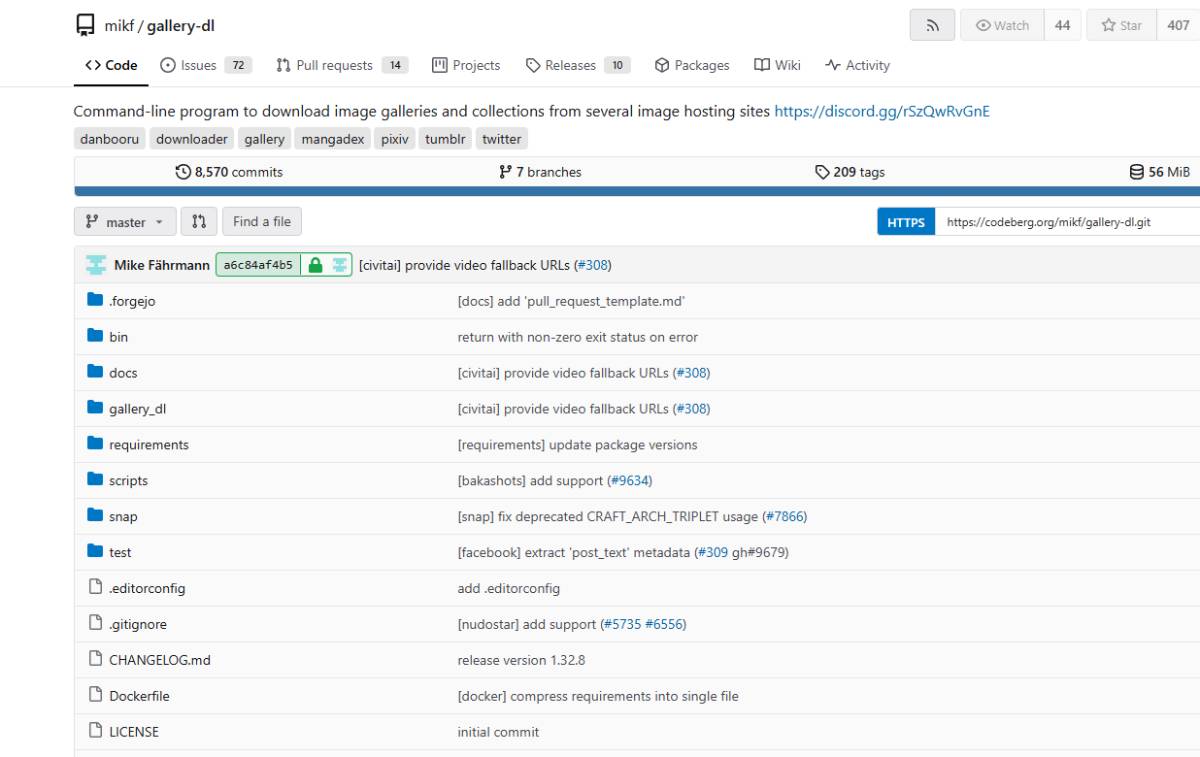
Gallery-DL is a command-line program designed for downloading image galleries and collections from various online sources.

July 31, 2026
|

The growing volume of digital content across online platforms is increasing demand for efficient media management solutions. Gallery-DL represents the broader shift toward automated content collection and archival tools, enabling users, researchers, and developers to manage digital assets more effectively while highlighting evolving challenges around accessibility, organization, and responsible content handling.

Gallery-DL is a command-line program designed for downloading image galleries and collections from various online sources. The tool supports automated retrieval workflows, making it valuable for users managing large-scale digital archives, research collections, and personal media libraries.

Key stakeholders include developers, digital archivists, researchers, content creators, data professionals, and technology communities focused on automation. As online platforms continue generating massive volumes of multimedia content, specialized tools that simplify organization and preservation are gaining attention.

The software reflects broader demand for flexible, developer-oriented solutions that provide greater control over digital asset workflows while supporting efficient content management processes.

The rapid expansion of online multimedia platforms has transformed how individuals and organizations create, store, and access digital content. Images, illustrations, research materials, and creative assets are now distributed across numerous websites and digital communities, creating new challenges around organization and long-term preservation.

This development aligns with a broader trend across global technology markets where automation, data management, and digital archiving tools are becoming increasingly important. Businesses, researchers, and creative professionals are seeking efficient methods to manage growing digital collections while improving accessibility and workflow efficiency.

At the same time, discussions around online content ownership, copyright protection, and responsible data usage continue shaping the future of digital asset management. Organizations must balance automation benefits with compliance requirements and ethical considerations when handling online media resources.

Digital technology analysts suggest that automation will remain a key driver in managing the expanding volume of online information. Tools that simplify content organization and retrieval can improve productivity for professionals working with large datasets and multimedia collections.

Developers and technical communities highlight the importance of flexible, open-source utilities that allow users to customize workflows according to specific operational needs. Such solutions often provide advantages in transparency, adaptability, and integration compared with closed platforms.

Digital rights specialists emphasize that automated content management systems must operate within appropriate legal and ethical boundaries. As online media ecosystems continue evolving, experts expect greater focus on responsible data practices, copyright awareness, and sustainable approaches to digital preservation.

For businesses, automated digital asset management tools can improve research efficiency, streamline workflows, and reduce manual content organization efforts. Organizations handling large multimedia collections may benefit from integrating automation into broader information management strategies.

Investors continue observing growth in developer tools, automation software, and digital infrastructure markets as data volumes increase globally. Policymakers remain focused on intellectual property protection, platform accountability, and responsible use of automated technologies.

For executives, adopting efficient content management practices while maintaining compliance and governance standards will become increasingly important in managing digital resources effectively.

The demand for automation-driven digital content management solutions is expected to continue as online data volumes expand. Decision-makers should monitor developments in artificial intelligence, digital archiving, data governance, and content security. Organizations that successfully combine automation capabilities with responsible data management frameworks will be better positioned to handle the growing complexity of digital information ecosystems.

Source: AlternativeTo
Date: July 31, 2026

  • Featured tools
Murf Ai
Free

Murf AI Review – Advanced AI Voice Generator for Realistic Voiceovers

#
Text to Speech
Learn more
Writesonic AI
Free

Writesonic AI is a versatile AI writing platform designed for marketers, entrepreneurs, and content creators. It helps users create blog posts, ad copies, product descriptions, social media posts, and more with ease. With advanced AI models and user-friendly tools, Writesonic streamlines content production and saves time for busy professionals.

#
Copywriting
Learn more

Learn more about future of AI

Join 80,000+ Ai enthusiast getting weekly updates on exciting AI tools.
Thank you! Your submission has been received!
Oops! Something went wrong while submitting the form.

Gallery DL Enhances Automated Content Management

July 31, 2026

Gallery-DL is a command-line program designed for downloading image galleries and collections from various online sources.

The growing volume of digital content across online platforms is increasing demand for efficient media management solutions. Gallery-DL represents the broader shift toward automated content collection and archival tools, enabling users, researchers, and developers to manage digital assets more effectively while highlighting evolving challenges around accessibility, organization, and responsible content handling.

Gallery-DL is a command-line program designed for downloading image galleries and collections from various online sources. The tool supports automated retrieval workflows, making it valuable for users managing large-scale digital archives, research collections, and personal media libraries.

Key stakeholders include developers, digital archivists, researchers, content creators, data professionals, and technology communities focused on automation. As online platforms continue generating massive volumes of multimedia content, specialized tools that simplify organization and preservation are gaining attention.

The software reflects broader demand for flexible, developer-oriented solutions that provide greater control over digital asset workflows while supporting efficient content management processes.

The rapid expansion of online multimedia platforms has transformed how individuals and organizations create, store, and access digital content. Images, illustrations, research materials, and creative assets are now distributed across numerous websites and digital communities, creating new challenges around organization and long-term preservation.

This development aligns with a broader trend across global technology markets where automation, data management, and digital archiving tools are becoming increasingly important. Businesses, researchers, and creative professionals are seeking efficient methods to manage growing digital collections while improving accessibility and workflow efficiency.

At the same time, discussions around online content ownership, copyright protection, and responsible data usage continue shaping the future of digital asset management. Organizations must balance automation benefits with compliance requirements and ethical considerations when handling online media resources.

Digital technology analysts suggest that automation will remain a key driver in managing the expanding volume of online information. Tools that simplify content organization and retrieval can improve productivity for professionals working with large datasets and multimedia collections.

Developers and technical communities highlight the importance of flexible, open-source utilities that allow users to customize workflows according to specific operational needs. Such solutions often provide advantages in transparency, adaptability, and integration compared with closed platforms.

Digital rights specialists emphasize that automated content management systems must operate within appropriate legal and ethical boundaries. As online media ecosystems continue evolving, experts expect greater focus on responsible data practices, copyright awareness, and sustainable approaches to digital preservation.

For businesses, automated digital asset management tools can improve research efficiency, streamline workflows, and reduce manual content organization efforts. Organizations handling large multimedia collections may benefit from integrating automation into broader information management strategies.

Investors continue observing growth in developer tools, automation software, and digital infrastructure markets as data volumes increase globally. Policymakers remain focused on intellectual property protection, platform accountability, and responsible use of automated technologies.

For executives, adopting efficient content management practices while maintaining compliance and governance standards will become increasingly important in managing digital resources effectively.

The demand for automation-driven digital content management solutions is expected to continue as online data volumes expand. Decision-makers should monitor developments in artificial intelligence, digital archiving, data governance, and content security. Organizations that successfully combine automation capabilities with responsible data management frameworks will be better positioned to handle the growing complexity of digital information ecosystems.

Source: AlternativeTo
Date: July 31, 2026

Promote Your Tool

Copy Embed Code

Similar Blogs

July 31, 2026
|

Dodo MIDI Enhances Music Production Workflows

Dodo MIDI is part of the music technology ecosystem, focusing on MIDI-based tools that help users create, control, and manage digital musical compositions.
Read more
July 31, 2026
|

Polar Cloud Advances Secure Data Management

Polar Cloud is positioned within the cloud computing ecosystem, offering users technology solutions focused on managing and accessing digital resources through cloud-based environments.
Read more
July 31, 2026
|

Metastream Enhances Shared Digital Entertainment

Metastream is a digital platform designed to enable synchronized media playback, allowing multiple users to watch online content together from different locations.
Read more
July 31, 2026
|

Deep Realms Advances Immersive Digital Experiences

Deep Realms is positioned within the category of immersive digital experiences, offering users a platform focused on exploration, creativity, and interactive engagement.
Read more
July 31, 2026
|

Starbackpage Evolves Digital Marketplace Platforms

Starbackpage is part of the online classified marketplace category, where users can create listings, discover services, and interact through digital platforms.
Read more
July 31, 2026
|

Calyx VPN Strengthens Digital Privacy Security

Calyx VPN is a privacy-focused virtual private network solution designed to provide users with secure internet connections and enhanced online privacy.
Read more