
Gloat Enters AI HR Platform Race

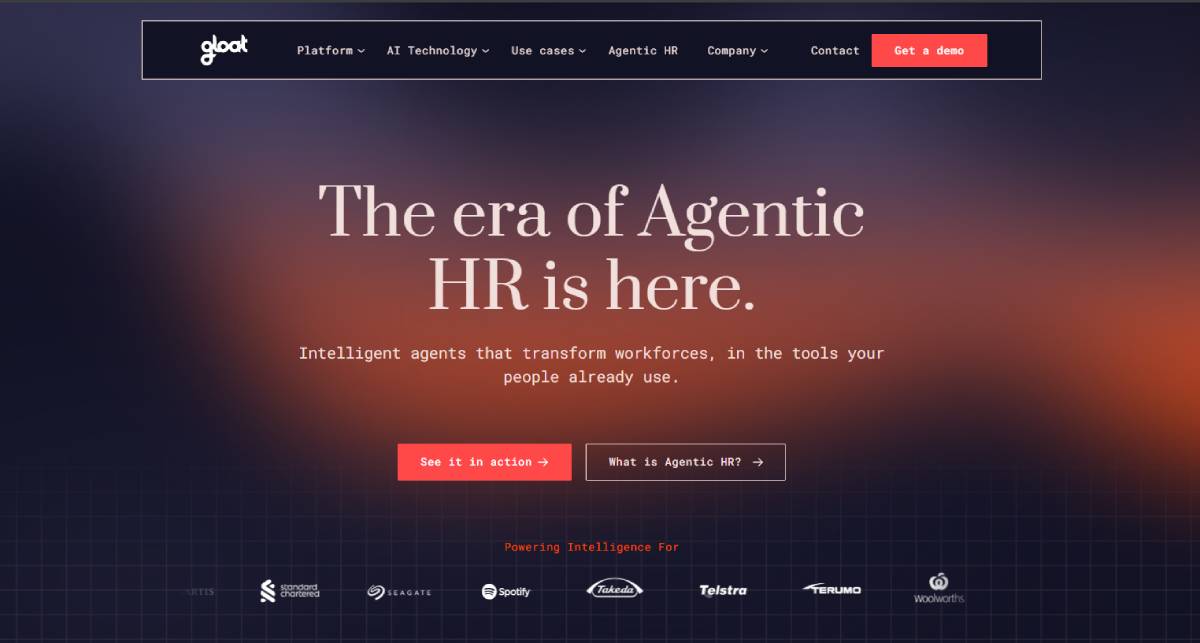
Gloat announced its entry into the AI agents space, positioning its platform to deliver intelligent HR automation and workforce insights. The company is integrating AI agents into its existing talent marketplace platform, enabling dynamic skills matching, internal mobility.

April 1, 2026
|

A major development unfolded as Gloat entered the rapidly expanding AI agents market for HR, signalling a strategic shift toward AI-driven workforce platforms. The move intensifies competition among enterprise AI frameworks aiming to redefine talent management, employee experience, and organizational productivity.

Gloat announced its entry into the AI agents space, positioning its platform to deliver intelligent HR automation and workforce insights. The company is integrating AI agents into its existing talent marketplace platform, enabling dynamic skills matching, internal mobility, and workforce planning. The move comes amid rising competition from major enterprise software providers embedding AI frameworks into HR systems.

Key stakeholders include HR technology vendors, enterprise clients, and employees interacting with AI-driven platforms. The development highlights a broader shift toward AI-powered decision-making in human resources, where platforms are evolving from static systems into proactive, agent-driven ecosystems.

The development aligns with a broader trend across global markets where AI platforms are transforming enterprise software, particularly in human resources. Traditional HR systems focused on record-keeping and compliance are now being replaced by intelligent platforms capable of real-time insights and automation.

Companies such as Workday, SAP, and Oracle have already integrated AI frameworks into their HR offerings, intensifying competition in the space. Gloat, known for its talent marketplace solutions, is leveraging its expertise in internal mobility and skills intelligence to differentiate its AI platform. The rise of AI agents represents a significant evolution, enabling systems to act autonomously on behalf of users, rather than simply providing recommendations marking a shift toward more proactive enterprise AI frameworks.

Industry analysts view Gloat’s move as part of a broader “AI agent arms race” in enterprise software. Experts suggest that the next generation of HR platforms will be defined by their ability to act autonomously, orchestrating workflows and making decisions within predefined parameters.

Technology strategists highlight that AI agents can significantly enhance productivity by automating repetitive tasks such as candidate screening, workforce planning, and skills mapping. However, experts also caution that deploying AI frameworks in HR introduces risks related to bias, transparency, and employee trust.

From a market perspective, analysts note that differentiation will depend on data quality, integration capabilities, and user experience. While official messaging emphasizes innovation and efficiency, experts stress the importance of governance frameworks to ensure ethical and compliant use of AI in workforce management.

For global executives, the rise of AI platforms in HR signals a shift toward more data-driven and automated workforce strategies. Organizations may need to rethink talent management, reskilling initiatives, and employee engagement through the lens of AI frameworks. Investors are likely to monitor the competitive landscape as vendors race to establish leadership in AI-driven enterprise platforms.

From a policy standpoint, regulators may increase scrutiny on AI use in hiring and workforce decisions, particularly around fairness and bias. Companies adopting these technologies will need to implement robust governance, transparency, and compliance measures to mitigate risks.

Looking ahead, the competition in AI agents for HR is expected to intensify as more vendors enhance their platforms with autonomous capabilities. Decision-makers should watch how effectively these AI frameworks deliver measurable business outcomes while maintaining trust and compliance. The evolution of AI platforms in HR could redefine how organizations manage talent, making intelligent, agent-driven systems central to future workforce strategies.

Source: Josh Bersin
Date: March 2026

  • Featured tools
Surfer AI
Free

Surfer AI is an AI-powered content creation assistant built into the Surfer SEO platform, designed to generate SEO-optimized articles from prompts, leveraging data from search results to inform tone, structure, and relevance.

#
SEO
Learn more
Figstack AI
Free

Figstack AI is an intelligent assistant for developers that explains code, generates docstrings, converts code between languages, and analyzes time complexity helping you work smarter, not harder.

#
Coding
Learn more

Learn more about future of AI

Join 80,000+ Ai enthusiast getting weekly updates on exciting AI tools.
Thank you! Your submission has been received!
Oops! Something went wrong while submitting the form.

Gloat Enters AI HR Platform Race

April 1, 2026

Gloat announced its entry into the AI agents space, positioning its platform to deliver intelligent HR automation and workforce insights. The company is integrating AI agents into its existing talent marketplace platform, enabling dynamic skills matching, internal mobility.

A major development unfolded as Gloat entered the rapidly expanding AI agents market for HR, signalling a strategic shift toward AI-driven workforce platforms. The move intensifies competition among enterprise AI frameworks aiming to redefine talent management, employee experience, and organizational productivity.

Gloat announced its entry into the AI agents space, positioning its platform to deliver intelligent HR automation and workforce insights. The company is integrating AI agents into its existing talent marketplace platform, enabling dynamic skills matching, internal mobility, and workforce planning. The move comes amid rising competition from major enterprise software providers embedding AI frameworks into HR systems.

Key stakeholders include HR technology vendors, enterprise clients, and employees interacting with AI-driven platforms. The development highlights a broader shift toward AI-powered decision-making in human resources, where platforms are evolving from static systems into proactive, agent-driven ecosystems.

The development aligns with a broader trend across global markets where AI platforms are transforming enterprise software, particularly in human resources. Traditional HR systems focused on record-keeping and compliance are now being replaced by intelligent platforms capable of real-time insights and automation.

Companies such as Workday, SAP, and Oracle have already integrated AI frameworks into their HR offerings, intensifying competition in the space. Gloat, known for its talent marketplace solutions, is leveraging its expertise in internal mobility and skills intelligence to differentiate its AI platform. The rise of AI agents represents a significant evolution, enabling systems to act autonomously on behalf of users, rather than simply providing recommendations marking a shift toward more proactive enterprise AI frameworks.

Industry analysts view Gloat’s move as part of a broader “AI agent arms race” in enterprise software. Experts suggest that the next generation of HR platforms will be defined by their ability to act autonomously, orchestrating workflows and making decisions within predefined parameters.

Technology strategists highlight that AI agents can significantly enhance productivity by automating repetitive tasks such as candidate screening, workforce planning, and skills mapping. However, experts also caution that deploying AI frameworks in HR introduces risks related to bias, transparency, and employee trust.

From a market perspective, analysts note that differentiation will depend on data quality, integration capabilities, and user experience. While official messaging emphasizes innovation and efficiency, experts stress the importance of governance frameworks to ensure ethical and compliant use of AI in workforce management.

For global executives, the rise of AI platforms in HR signals a shift toward more data-driven and automated workforce strategies. Organizations may need to rethink talent management, reskilling initiatives, and employee engagement through the lens of AI frameworks. Investors are likely to monitor the competitive landscape as vendors race to establish leadership in AI-driven enterprise platforms.

From a policy standpoint, regulators may increase scrutiny on AI use in hiring and workforce decisions, particularly around fairness and bias. Companies adopting these technologies will need to implement robust governance, transparency, and compliance measures to mitigate risks.

Looking ahead, the competition in AI agents for HR is expected to intensify as more vendors enhance their platforms with autonomous capabilities. Decision-makers should watch how effectively these AI frameworks deliver measurable business outcomes while maintaining trust and compliance. The evolution of AI platforms in HR could redefine how organizations manage talent, making intelligent, agent-driven systems central to future workforce strategies.

Source: Josh Bersin
Date: March 2026

Promote Your Tool

Copy Embed Code

Similar Blogs

April 1, 2026
|

AI Data Center Boom Strains Memory Supply

AI-driven workloads are rapidly increasing demand for high-performance memory, particularly high-bandwidth memory (HBM) used in advanced AI servers.
Read more
April 1, 2026
|

Gallagher Deploys Microsoft AI to Cut Claims Time

Gallagher has implemented AI-driven workflows using Microsoft Foundry to streamline insurance claims processing, significantly reducing turnaround times.
Read more
April 1, 2026
|

Google Advances AI Evaluation and Benchmarking Standards

Google’s research explores how many human evaluators are necessary to produce statistically reliable AI benchmarks, particularly for subjective tasks such as language quality, reasoning, and alignment.
Read more
April 1, 2026
|

Ollama Integrates Apple MLX for On Device AI

Ollama has integrated Apple’s MLX framework to optimize AI model execution on devices powered by Apple silicon chips, including M1, M2, and newer processors.
Read more
April 1, 2026
|

Apple AI Restrictions Spark Innovation Control Debate

Apple has intensified scrutiny and restrictions on AI-powered applications distributed through its platform, citing safety, privacy, and quality concerns. The crackdown affects developers building AI-driven tools.
Read more
April 1, 2026
|

Microsoft Pushes AI Skills Framework for Workforce

Microsoft emphasized the growing importance of AI literacy, adaptability, and continuous learning in navigating the future workforce. The company highlighted how its AI platform ecosystem.
Read more