



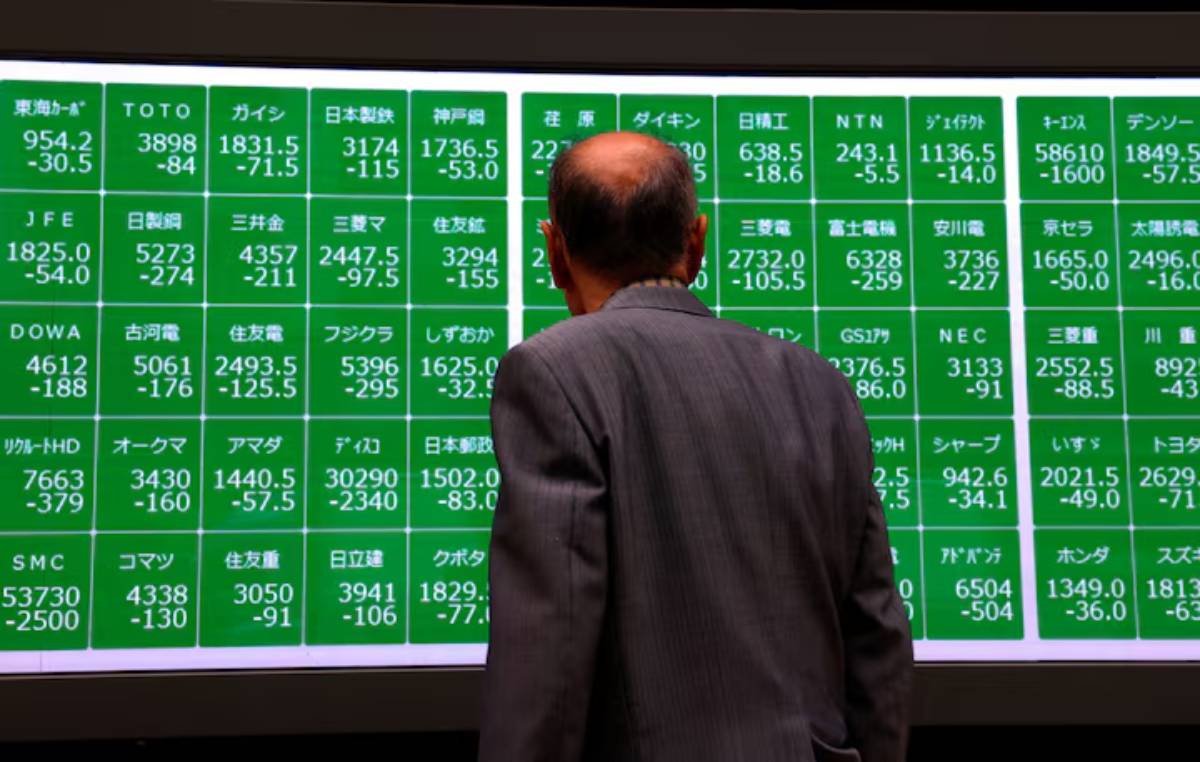
A broad selloff swept global markets as the artificial intelligence-driven rally paused amid growing geopolitical uncertainty, including stalled diplomatic discussions between the United States and Iran. The shift reflects rising investor caution, with equities retreating from recent highs as macroeconomic and geopolitical risks begin to outweigh momentum from the AI investment cycle.
Global equities declined as investors reassessed valuations following a sustained AI-led rally that had powered markets to record levels in recent months. Technology stocks, in particular, faced pressure as momentum slowed in the absence of fresh catalysts.
At the same time, geopolitical tensions added to market volatility after reports indicated limited progress in US-Iran peace talks. The combination of stalled diplomacy and fading enthusiasm in high-growth technology names contributed to a risk-off sentiment across major indices. Energy markets and safe-haven assets saw increased activity as investors rotated away from equities toward more defensive positions amid uncertainty in both economic and geopolitical outlooks.
The development aligns with a broader trend across global markets where artificial intelligence has become a dominant force driving equity performance, particularly in US technology indices. Over the past year, optimism around AI infrastructure, semiconductor demand, and cloud computing expansion has fueled significant gains across global markets.
However, periods of consolidation are common following rapid valuation expansions, especially when investor expectations outpace near-term earnings delivery. At the same time, geopolitical developments continue to play a critical role in shaping risk appetite, with tensions in the Middle East historically influencing energy prices, inflation expectations, and global capital flows.
The intersection of AI-driven growth narratives and geopolitical uncertainty has created a complex environment for investors. While AI remains a long-term structural theme, short-term market movements are increasingly sensitive to macroeconomic signals, diplomatic developments, and central bank policy expectations across major economies.
Market analysts suggest that the current pullback reflects a natural recalibration after an extended AI-driven rally rather than a reversal of long-term sentiment. Many experts continue to view artificial intelligence as a foundational growth driver for technology and industrial transformation over the coming decade.
Financial strategists note that markets are becoming more selective, rewarding companies that demonstrate tangible earnings growth from AI investments rather than speculative exposure alone. This shift is expected to increase volatility within high-growth sectors.
Geopolitical analysts emphasize that stalled diplomatic progress between major global actors adds another layer of uncertainty, particularly for energy markets and global trade flows. Investors are closely monitoring policy signals, with many expecting that any escalation or resolution could have immediate ripple effects across commodities, equities, and currency markets.
For global executives, the combination of slowing AI momentum and geopolitical uncertainty underscores the need for more resilient risk management strategies. Companies exposed to technology markets or global supply chains may need to reassess capital allocation and contingency planning.
Investors are likely to adopt a more cautious stance, balancing long-term optimism around AI with near-term macroeconomic and geopolitical risks. Portfolio diversification and selective exposure to high-quality assets may become increasingly important.
For policymakers, the situation highlights how geopolitical developments can quickly influence financial stability and investor sentiment. Meanwhile, the continued influence of AI on market performance underscores the importance of monitoring systemic risks associated with rapid technological and capital market shifts.
Attention will now turn to upcoming macroeconomic data, central bank commentary, and any developments in US-Iran diplomatic engagement. Markets are also expected to closely watch earnings updates from major technology firms for signals on whether AI-driven growth remains intact.
While short-term volatility may persist, the broader trajectory of AI investment remains a key structural theme. The next phase of market direction will likely depend on whether macro stability and technology earnings can realign with investor expectations.
Source: Reuters
Date: June 5, 2026


