
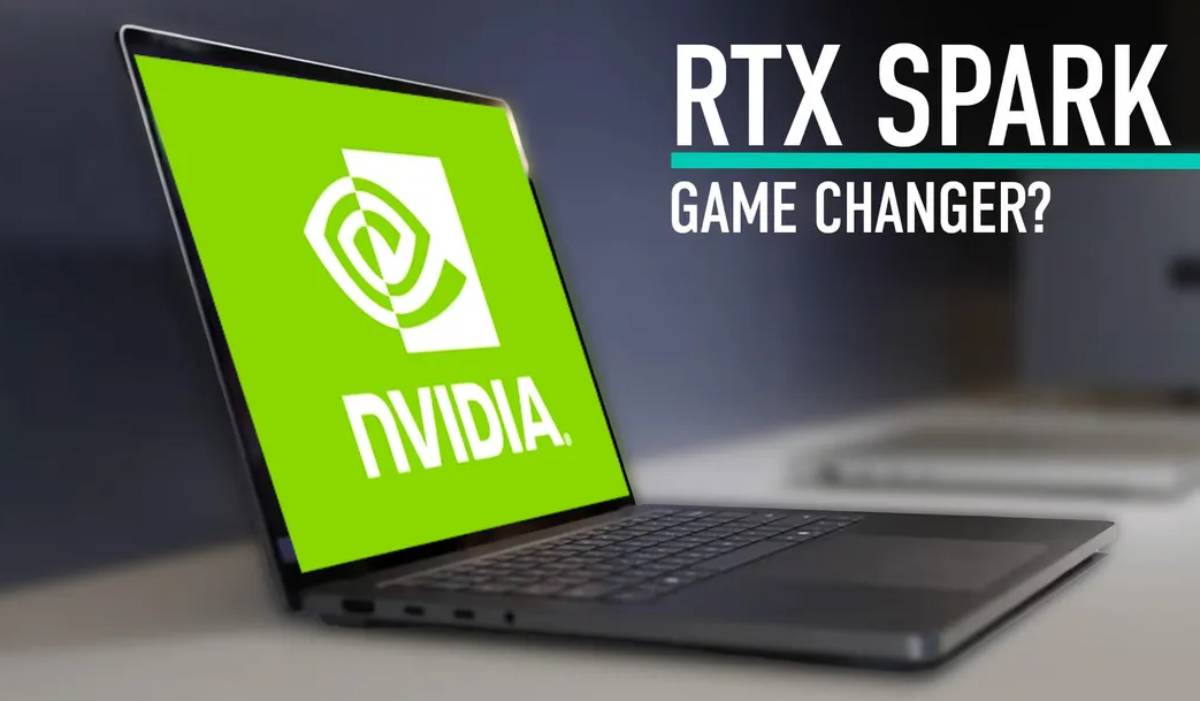
Nvidia RTX Spark Advances AI Creative Computing

Nvidia’s RTX Spark initiative emphasizes enhanced performance for creators using Windows-based systems, particularly in fields such as video editing, 3D rendering, and AI-assisted content generation.

June 5, 2026
|
Image Source:  CNET

The Nvidia RTX Spark showcases a new direction in AI-accelerated computing for Windows creators, blending high-performance graphics with AI-driven workflows. The development signals a shift in creative industries where real-time rendering, generative tools, and GPU-optimized pipelines are reshaping how digital content is produced across professional and semi-professional ecosystems.

Nvidia’s RTX Spark initiative emphasizes enhanced performance for creators using Windows-based systems, particularly in fields such as video editing, 3D rendering, and AI-assisted content generation. The platform integrates advanced GPU acceleration with AI tools designed to streamline complex creative workflows.

Early demonstrations highlight significant improvements in rendering speed, real-time editing responsiveness, and AI-enhanced production features. These capabilities aim to reduce production time and improve efficiency for content creators working across gaming, film production, and digital design industries.

The initiative positions Nvidia further within the growing intersection of AI computing and creative software ecosystems, where hardware acceleration is becoming central to productivity gains.

The development aligns with a broader trend across global computing markets where artificial intelligence is increasingly integrated into creative workflows. Over the past decade, GPUs have evolved from graphics-rendering hardware into foundational infrastructure for AI processing and generative computing applications.

Nvidia has played a central role in this transformation, supplying hardware that powers both enterprise AI systems and consumer creative tools. The RTX Spark builds on this trajectory by targeting Windows creators, a large segment of professional and semi-professional users engaged in video production, game development, and digital content creation.

Historically, advances in GPU technology have consistently reshaped creative industries, from early 3D animation to modern real-time rendering engines. The current shift reflects a convergence of AI model acceleration and traditional graphics processing, creating hybrid workflows that reduce manual effort while increasing output quality and speed.

Industry analysts suggest that Nvidia’s latest push reflects the accelerating convergence of AI and creative computing. Experts note that the integration of AI into GPU pipelines is becoming a defining feature of next-generation content production tools.

Technology commentators emphasize that Windows remains a dominant platform for creators, making it a strategic focus for hardware optimization and AI tool integration. Analysts also point out that productivity gains in rendering and editing workflows could significantly impact industries such as gaming, film production, and digital advertising.

Market observers argue that while performance improvements are important, long-term adoption will depend on software ecosystem compatibility and developer support. Experts further highlight that AI-assisted creativity tools are rapidly becoming standard expectations rather than optional enhancements in professional workflows.

For technology companies, Nvidia’s RTX Spark underscores the growing importance of AI-native hardware ecosystems. Businesses in creative industries may increasingly rely on GPU-accelerated AI tools to reduce production timelines and improve scalability.

Investors are likely to view this as reinforcement of Nvidia’s dominant position in AI infrastructure and creative computing markets, with continued demand from both enterprise and consumer segments.

For policymakers, the expansion of AI-driven creative tools raises emerging considerations around intellectual property, content authenticity, and labor displacement in creative industries. While regulation remains limited, increasing AI integration into media production may prompt future policy discussions around transparency and digital content governance.

The RTX Spark initiative signals continued acceleration toward AI-native creative workflows, with further integration expected across editing, rendering, and design platforms. Future development will likely focus on deeper software-hardware integration and broader ecosystem support.

As AI tools become standard in creative industries, competition will intensify around performance efficiency, developer adoption, and platform compatibility across Windows-based systems.

Source: CNET
Date:
June 2026

  • Featured tools
Neuron AI
Free

Neuron AI is an AI-driven content optimization platform that helps creators produce SEO-friendly content by combining semantic SEO, competitor analysis, and AI-assisted writing workflows.

#
SEO
Learn more
Murf Ai
Free

Murf AI Review – Advanced AI Voice Generator for Realistic Voiceovers

#
Text to Speech
Learn more

Learn more about future of AI

Join 80,000+ Ai enthusiast getting weekly updates on exciting AI tools.
Thank you! Your submission has been received!
Oops! Something went wrong while submitting the form.

Nvidia RTX Spark Advances AI Creative Computing

June 5, 2026

Nvidia’s RTX Spark initiative emphasizes enhanced performance for creators using Windows-based systems, particularly in fields such as video editing, 3D rendering, and AI-assisted content generation.

Image Source:  CNET

The Nvidia RTX Spark showcases a new direction in AI-accelerated computing for Windows creators, blending high-performance graphics with AI-driven workflows. The development signals a shift in creative industries where real-time rendering, generative tools, and GPU-optimized pipelines are reshaping how digital content is produced across professional and semi-professional ecosystems.

Nvidia’s RTX Spark initiative emphasizes enhanced performance for creators using Windows-based systems, particularly in fields such as video editing, 3D rendering, and AI-assisted content generation. The platform integrates advanced GPU acceleration with AI tools designed to streamline complex creative workflows.

Early demonstrations highlight significant improvements in rendering speed, real-time editing responsiveness, and AI-enhanced production features. These capabilities aim to reduce production time and improve efficiency for content creators working across gaming, film production, and digital design industries.

The initiative positions Nvidia further within the growing intersection of AI computing and creative software ecosystems, where hardware acceleration is becoming central to productivity gains.

The development aligns with a broader trend across global computing markets where artificial intelligence is increasingly integrated into creative workflows. Over the past decade, GPUs have evolved from graphics-rendering hardware into foundational infrastructure for AI processing and generative computing applications.

Nvidia has played a central role in this transformation, supplying hardware that powers both enterprise AI systems and consumer creative tools. The RTX Spark builds on this trajectory by targeting Windows creators, a large segment of professional and semi-professional users engaged in video production, game development, and digital content creation.

Historically, advances in GPU technology have consistently reshaped creative industries, from early 3D animation to modern real-time rendering engines. The current shift reflects a convergence of AI model acceleration and traditional graphics processing, creating hybrid workflows that reduce manual effort while increasing output quality and speed.

Industry analysts suggest that Nvidia’s latest push reflects the accelerating convergence of AI and creative computing. Experts note that the integration of AI into GPU pipelines is becoming a defining feature of next-generation content production tools.

Technology commentators emphasize that Windows remains a dominant platform for creators, making it a strategic focus for hardware optimization and AI tool integration. Analysts also point out that productivity gains in rendering and editing workflows could significantly impact industries such as gaming, film production, and digital advertising.

Market observers argue that while performance improvements are important, long-term adoption will depend on software ecosystem compatibility and developer support. Experts further highlight that AI-assisted creativity tools are rapidly becoming standard expectations rather than optional enhancements in professional workflows.

For technology companies, Nvidia’s RTX Spark underscores the growing importance of AI-native hardware ecosystems. Businesses in creative industries may increasingly rely on GPU-accelerated AI tools to reduce production timelines and improve scalability.

Investors are likely to view this as reinforcement of Nvidia’s dominant position in AI infrastructure and creative computing markets, with continued demand from both enterprise and consumer segments.

For policymakers, the expansion of AI-driven creative tools raises emerging considerations around intellectual property, content authenticity, and labor displacement in creative industries. While regulation remains limited, increasing AI integration into media production may prompt future policy discussions around transparency and digital content governance.

The RTX Spark initiative signals continued acceleration toward AI-native creative workflows, with further integration expected across editing, rendering, and design platforms. Future development will likely focus on deeper software-hardware integration and broader ecosystem support.

As AI tools become standard in creative industries, competition will intensify around performance efficiency, developer adoption, and platform compatibility across Windows-based systems.

Source: CNET
Date:
June 2026

Promote Your Tool

Copy Embed Code

Similar Blogs

June 5, 2026
|

Apple Siri Strategy Shifts Hybrid AI Model

Reports suggest Apple is exploring deeper integration between Siri and external AI models, including advanced conversational systems, to enhance its capabilities ahead of WWDC 2026.
Read more
June 5, 2026
|

Nvidia RTX Spark Advances AI Creative Computing

Nvidia’s RTX Spark initiative emphasizes enhanced performance for creators using Windows-based systems, particularly in fields such as video editing, 3D rendering, and AI-assisted content generation.
Read more
June 5, 2026
|

DJI Osmo 360 Pushes Premium Market

DJI’s Osmo 360 camera has been reviewed as a technically strong device, offering high-resolution 360-degree capture and robust stabilization features aimed at content creators and professional users.
Read more
June 5, 2026
|

Meta Quest Bundles Boost VR Competition

Meta’s latest bundle promotions for its Quest VR headsets include incentives such as gaming subscription access and additional digital perks aimed at increasing device adoption.
Read more
June 5, 2026
|

Cyberdeck Computing Evolves DIY Hardware Niche

Cyberdecks, originally inspired by science fiction and early portable computing concepts, are increasingly being redesigned by independent creators and tech enthusiasts into compact, customized devices.
Read more
June 5, 2026
|

Google Tests Creator Driven Search Customization

Google’s new feature enables selected social media personalities and creators to personalize their search result pages, effectively shaping how their identity and content are presented to users.
Read more