



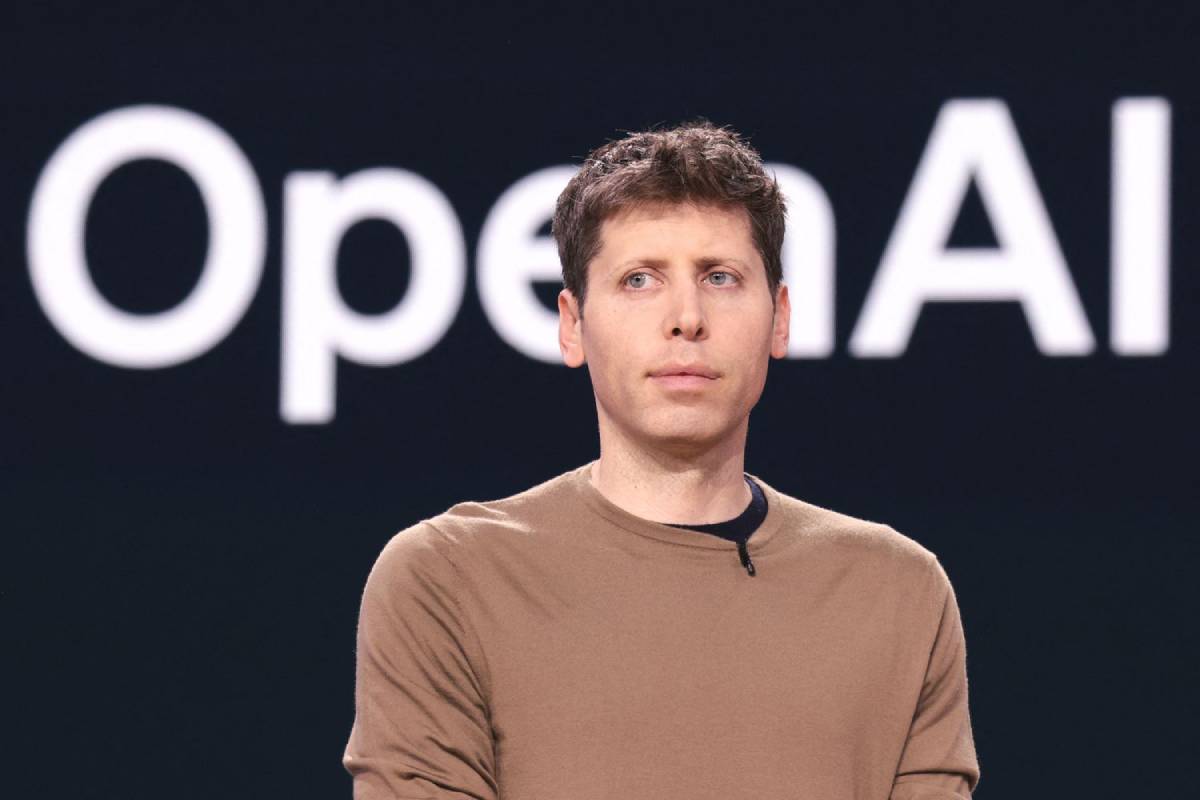
A major convergence of global technology leadership is underway as top AI executives, including Sam Altman and Sundar Pichai, head to India for a high-profile AI summit in New Delhi. The gathering underscores India’s rising influence in the global AI ecosystem and intensifying competition for strategic foothold in one of the world’s fastest-growing digital markets.
Senior leaders from leading technology firms are set to participate in a major AI-focused summit in New Delhi, highlighting India’s growing centrality in global artificial intelligence strategy. Among the prominent attendees are Sam Altman of OpenAI and Sundar Pichai of Google.
The summit aims to explore AI innovation, regulation, infrastructure development, and workforce transformation. Indian policymakers and business leaders are expected to engage directly with global tech CEOs on partnerships and investment opportunities.
The event comes amid India’s push to position itself as both a major AI consumer market and a global development hub, leveraging its vast talent base and expanding digital infrastructure.
The development aligns with a broader trend across global markets where emerging economies are competing aggressively to attract AI investment and influence governance standards. India, with over a billion people and a rapidly digitizing economy, represents a strategic frontier for AI deployment across sectors including finance, healthcare, agriculture, and public services.
New Delhi has accelerated efforts to build domestic AI capabilities, while also balancing regulatory oversight with innovation incentives. The country’s digital public infrastructure model often cited as a global template provides fertile ground for large-scale AI applications.
For global firms, India offers not only a massive consumer base but also engineering talent and policy engagement opportunities. As geopolitical tensions reshape supply chains and technology alliances, India’s positioning between Western technology firms and domestic priorities makes it a pivotal AI battleground.
Industry analysts view the summit as a strategic signal rather than a ceremonial gathering. The presence of global AI leaders reflects recognition that India will play a decisive role in shaping demand, regulation, and innovation trajectories.
Technology policy experts suggest discussions may center on responsible AI deployment, data governance, and sovereign digital capabilities. Observers note that India’s regulatory approach could influence broader Global South policy frameworks, particularly in balancing economic growth with ethical AI safeguards.
Executives are also expected to emphasize partnerships from cloud infrastructure to startup ecosystems positioning their companies as long-term collaborators in India’s AI expansion.
For corporate leaders, engagement at the summit represents both market access diplomacy and strategic alignment in a region increasingly central to global technology supply chains.
For global executives, the summit highlights India as a priority market for AI investment, product localization, and regulatory engagement. Companies may accelerate partnerships with Indian enterprises, research institutions, and government bodies.
Investors could interpret the gathering as a signal of intensified capital flows into India’s AI ecosystem, including data centers, cloud services, and startup funding. Domestic firms may benefit from knowledge transfer and strategic alliances.
From a policy standpoint, India’s dialogue with global tech leaders may shape forthcoming AI governance frameworks, influencing compliance expectations for both multinational and homegrown firms.
The event reinforces India’s evolving status from technology adopter to AI agenda-setter.
Attention now turns to policy announcements, partnership deals, and investment commitments emerging from the summit. Decision-makers will watch for signals on regulatory clarity, infrastructure funding, and cross-border collaboration.
As AI becomes a cornerstone of global economic competition, India’s engagement with leading tech CEOs could redefine regional innovation dynamics — positioning the country as a central node in the next phase of AI growth.
Source: CNBC
Date: February 16, 2026


