



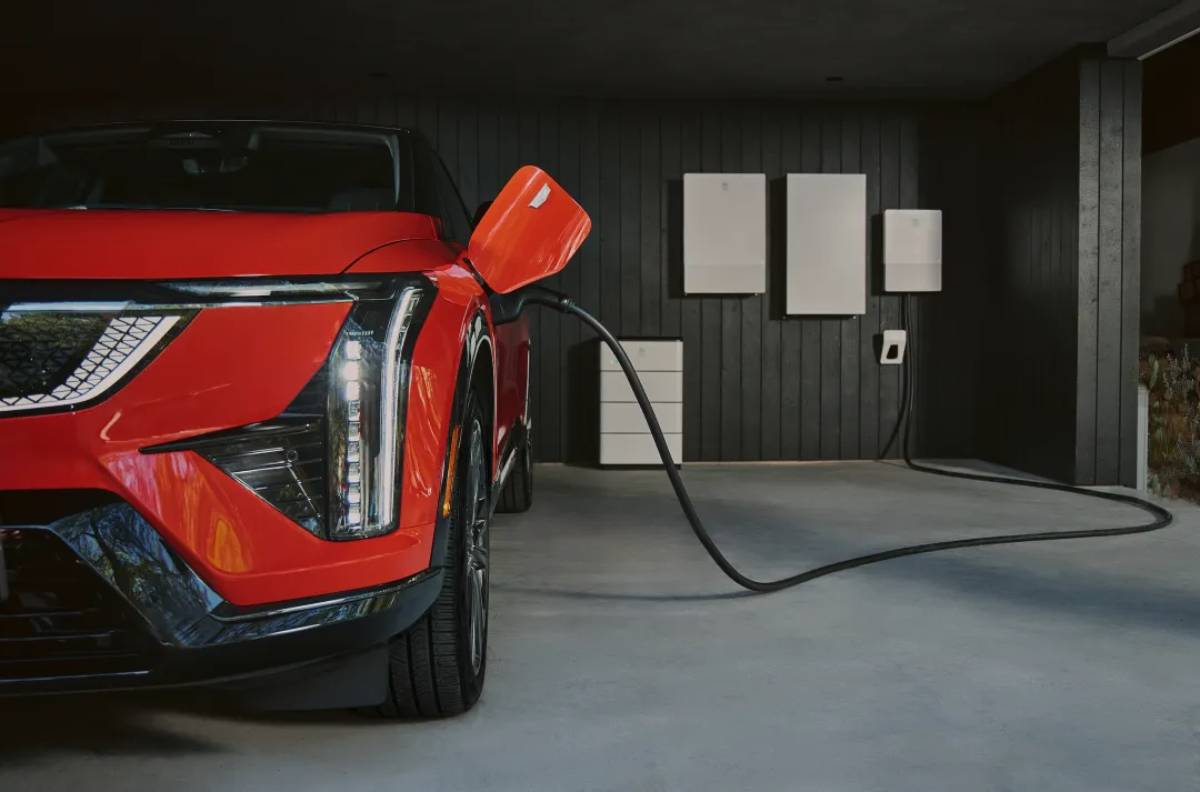
A strategic convergence between the automotive and energy sectors is emerging as General Motors explores how electric vehicles equipped with vehicle-to-grid (V2G) technology could help stabilize electricity demand driven by the rapid expansion of AI data centers. The initiative signals a broader shift in how mobility assets may be integrated into national energy systems, with implications for utilities, technology firms, and energy policy frameworks.
General Motors is advancing plans to leverage its electric vehicle ecosystem as a distributed energy storage network through vehicle-to-grid technology. The system would enable EVs to store electricity and feed it back into the grid during periods of peak demand, potentially helping offset surging energy consumption from AI-driven data centers.
The concept aligns with GM Energy’s broader strategy to position electric vehicles not just as transportation assets but as mobile energy infrastructure components. The company is also exploring complementary technologies, including next-generation battery systems such as sodium-ion chemistries, which could enhance storage efficiency and cost-effectiveness.
The initiative comes as electricity demand from AI infrastructure continues to rise sharply, driven by hyperscale cloud providers, semiconductor-intensive workloads, and expanded deployment of generative AI systems across industries.
The development reflects a growing intersection between transportation electrification and digital infrastructure expansion. As AI systems become more energy-intensive, utilities and policymakers are increasingly seeking flexible energy resources that can stabilize grid demand and reduce peak load pressures.
The development aligns with a broader trend across global markets where distributed energy systems are gaining importance as traditional power infrastructure struggles to keep pace with electrification, industrial demand, and data center expansion. EVs, home battery systems, and renewable energy storage are increasingly viewed as components of a decentralized energy ecosystem.
Historically, power grids have relied on centralized generation and predictable consumption cycles. However, the rise of intermittent renewable energy, electrified transport, and AI-driven compute demand has introduced significant volatility into electricity markets.
At the same time, governments and utilities are under pressure to modernize grid infrastructure while maintaining affordability and reliability. The integration of EV fleets into grid systems represents a potential solution that could improve energy flexibility while supporting broader decarbonization goals.
Industry analysts suggest that vehicle-to-grid technology could transform EVs from passive consumers of electricity into active participants in energy markets. This shift may create new revenue streams for EV owners and fleet operators while enhancing grid resilience.
Energy experts highlight that large-scale adoption of V2G systems will depend on regulatory frameworks, grid interoperability standards, and advancements in battery durability. Concerns remain regarding battery degradation, infrastructure costs, and the complexity of managing distributed energy flows at scale.
Automotive and energy sector observers note that GM’s strategy reflects a broader industry push to diversify EV value propositions beyond transportation. By integrating energy services, manufacturers can create additional monetization pathways while strengthening ecosystem lock-in.
At the same time, analysts caution that the success of such systems will depend on coordination between utilities, regulators, and automotive manufacturers, particularly in regions with fragmented energy markets.
For businesses, the integration of EVs into energy systems opens new opportunities in energy services, grid management, and distributed storage solutions. Automotive manufacturers may increasingly position themselves as energy technology providers rather than solely transportation companies.
Investors are likely to view V2G and related technologies as part of a broader convergence between mobility, energy, and digital infrastructure sectors. Companies capable of bridging these ecosystems may gain strategic advantage in the long-term energy transition.
For policymakers, vehicle-to-grid systems present both opportunities and regulatory challenges. Governments may need to develop frameworks that define energy market participation rules for EVs, ensure grid stability, and protect consumer interests.
For consumers, the potential to monetize vehicle battery capacity could reduce ownership costs, though adoption will depend on incentives, infrastructure availability, and ease of integration.
Attention will now focus on pilot programs, regulatory approvals, and real-world deployment of vehicle-to-grid systems. The scalability of EV-based energy networks will depend on technological maturity and coordination across the automotive and energy sectors.
As AI-driven electricity demand continues to grow, the convergence of mobility and energy infrastructure may become a defining feature of next-generation power systems, reshaping how energy is generated, stored, and distributed.
Source: The Verge
Date: June 2026


