



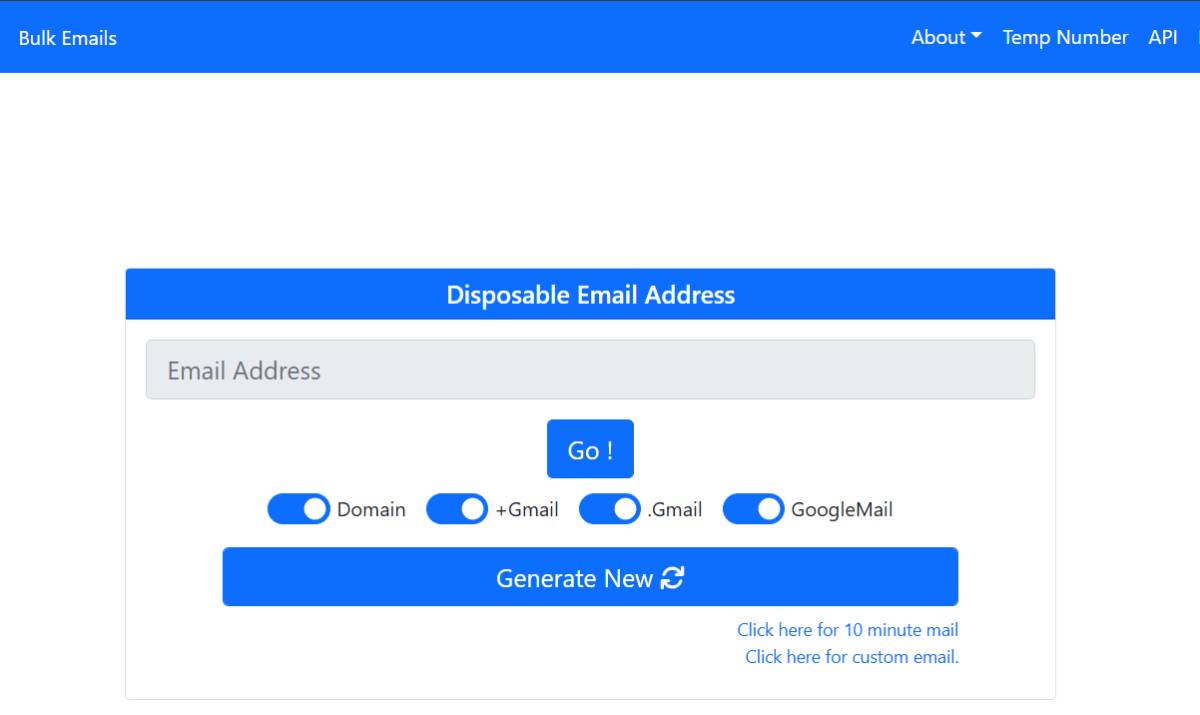
Gmailnator reflects the increasing global focus on online privacy, temporary communication solutions, and user-controlled digital identities. The platform represents a broader shift toward tools that help individuals manage short-term email requirements while reducing exposure to unwanted messages, with implications for cybersecurity providers, businesses, consumers, and digital service platforms.
Gmailnator is a temporary email service designed to provide users with disposable inboxes for short-term online registrations and communications. Its popularity reflects growing concerns around spam, data privacy, and the increasing number of websites requiring email verification.
As digital services expand globally, users are seeking greater control over personal information and online interactions. Temporary email technologies have become part of a wider privacy-focused ecosystem that includes secure communication tools, identity management solutions, and cybersecurity services. At the same time, businesses continue adapting authentication systems to balance user convenience, fraud prevention, and data protection requirements.
The rapid expansion of online services has increased dependence on email-based authentication, account creation, and digital communication. While email remains a critical business and consumer tool, concerns around spam, tracking, data collection, and privacy risks have encouraged demand for temporary and privacy-focused alternatives. This development aligns with a broader trend across global markets where consumers are becoming more aware of digital footprints and organizations are strengthening cybersecurity practices.
Governments and technology companies worldwide continue introducing stricter data protection standards, encouraging innovation in privacy-enhancing technologies. Temporary email platforms represent one segment of this evolving digital privacy landscape, alongside encrypted communication services, password management solutions, and decentralized identity technologies. The continued growth of these tools reflects changing expectations around online security and personal data control.
Cybersecurity analysts believe privacy-focused digital tools will continue gaining importance as consumers become increasingly aware of online data exposure. Experts note that temporary email services can provide convenience for low-risk registrations while highlighting the broader challenge of maintaining trust and security across digital platforms.
Although no specific official statements are directly associated with Gmailnator in this overview, industry observers emphasize that businesses must continue improving authentication systems, fraud detection capabilities, and responsible data management practices. Analysts also expect artificial intelligence, stronger identity verification technologies, and privacy-focused innovations to reshape how organizations manage user access and online security. Companies that successfully balance frictionless user experiences with effective cybersecurity measures are expected to gain stronger consumer confidence.
For businesses, Gmailnator highlights the growing importance of secure and flexible digital identity management. Companies relying on email verification systems may need to improve fraud prevention strategies while maintaining user-friendly registration experiences. Investors continue monitoring cybersecurity, privacy technology, and identity management sectors as important areas of digital transformation.
Policymakers remain focused on data protection, online abuse prevention, cybersecurity standards, and responsible technology development. Organizations operating digital platforms will increasingly need to balance accessibility with security requirements while ensuring compliance with evolving privacy regulations. The rise of temporary email solutions demonstrates the ongoing need for stronger digital trust frameworks.
The future of digital communication will likely be shaped by stronger privacy protections, artificial intelligence-driven security systems, and advanced identity management technologies. Decision-makers should monitor regulatory changes, cybersecurity innovations, and evolving consumer expectations around data ownership. Organizations that prioritize transparency, security, and user control will be better positioned to succeed as global digital interactions continue expanding.
Source: AlternativeTo
Date: July 29, 2026


