
Cybersecurity Stocks Poised for AI Driven Rebound

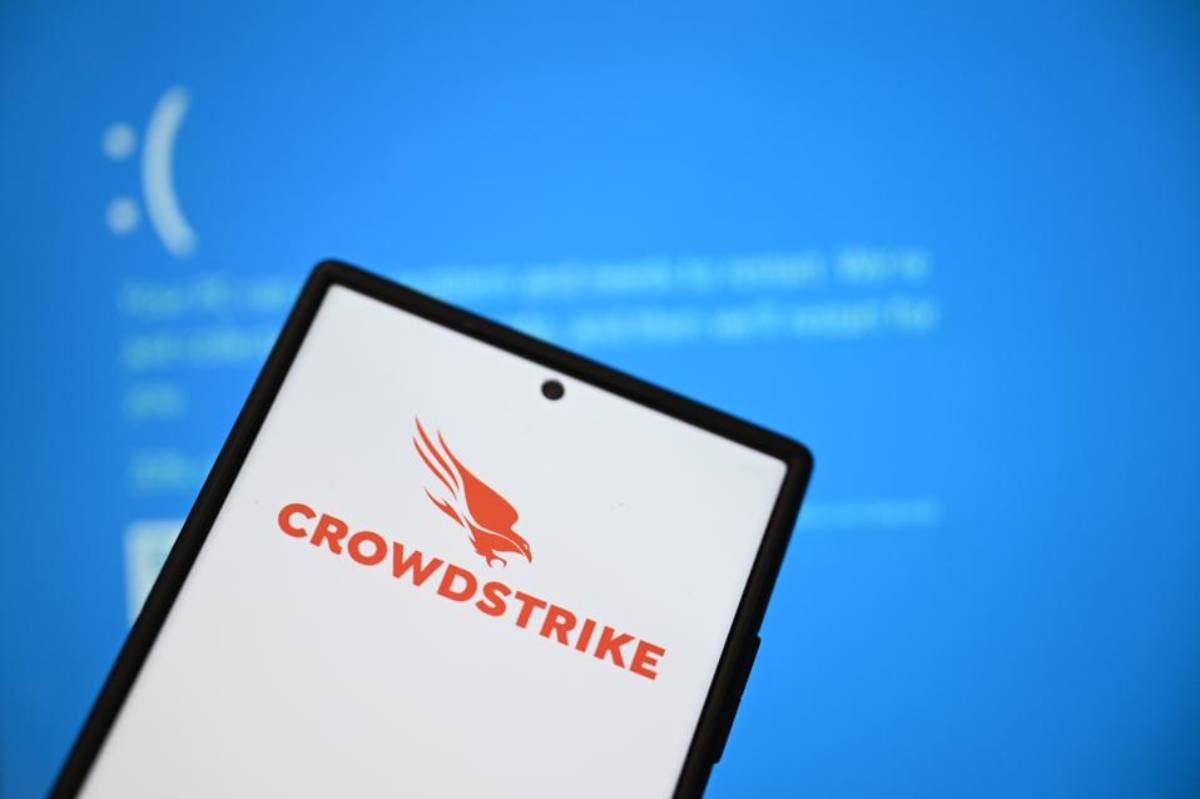
Market analysts have identified three cybersecurity firms CrowdStrike, Palo Alto Networks, and Zscaler as positioned to benefit from AI-driven security spending.

February 24, 2026
|

A sharp reassessment is unfolding in technology markets as select cybersecurity stocks emerge as potential beneficiaries of the AI boom, despite being battered in a broader software sell-off. Analysts argue that artificial intelligence is creating structural demand for advanced threat detection positioning key players for a strategic rebound.

Market analysts have identified three cybersecurity firms CrowdStrike, Palo Alto Networks, and Zscaler as positioned to benefit from AI-driven security spending.

The broader software sector has faced pressure amid valuation resets and macroeconomic uncertainty. However, cybersecurity demand remains resilient as enterprises integrate AI tools that expand digital attack surfaces.

Analysts suggest AI both increases threat complexity and enhances defensive capabilities. This dual dynamic is expected to fuel investment in AI-native security platforms capable of real-time anomaly detection, automated response, and predictive analytics key priorities for enterprise IT budgets in 2026.

The development aligns with a broader market correction in high-growth software stocks following years of elevated valuations. Rising interest rates, shifting capital flows, and profit scrutiny have weighed heavily on the sector.

At the same time, generative AI adoption is accelerating across industries, introducing new cybersecurity vulnerabilities. AI-generated phishing attacks, automated malware, and deepfake-based fraud have increased both frequency and sophistication of cyber threats.

Cybersecurity has historically proven more defensive than other software categories during downturns, as enterprises view protection spending as non-discretionary. With AI expanding digital footprints and cloud dependencies, the security layer is becoming more critical. Analysts argue that companies embedding AI into their security architectures could gain structural advantage in a threat landscape evolving at machine speed.

Equity analysts have described the recent sell-off as potentially overdone for select cybersecurity leaders, noting strong recurring revenue models and expanding enterprise pipelines. Market strategists highlight that AI integration allows security platforms to process massive telemetry data and automate incident response more efficiently.

Executives across the sector have emphasized that AI is central to next-generation threat detection. Leadership commentary suggests customers are prioritizing unified platforms capable of consolidating tools and reducing operational complexity.

Industry experts also caution that competitive intensity remains high, with startups and established vendors racing to claim AI differentiation. Nevertheless, consensus views suggest cybersecurity’s alignment with AI-driven enterprise transformation provides long-term demand visibility, even amid short-term market volatility.

For corporate leaders, the trend underscores the urgency of modernizing cybersecurity frameworks as AI adoption scales internally. Enterprises deploying AI systems must account for model security, data integrity, and automated threat vectors.

Investors may interpret the sector’s pullback as a selective buying opportunity, particularly for firms with strong AI integration narratives and durable subscription revenue.

From a policy perspective, governments worldwide are intensifying cybersecurity mandates, particularly around critical infrastructure and AI governance. Regulatory scrutiny on AI misuse could further elevate demand for robust, AI-powered security solutions across public and private sectors.

The trajectory of cybersecurity stocks will hinge on earnings resilience, enterprise AI spending, and macroeconomic stability. Decision-makers should watch quarterly guidance, AI feature rollouts, and federal cybersecurity initiatives. As AI accelerates digital transformation, security may transition from a defensive allocation to a strategic growth driver redefining its role in technology portfolios.

Source: Yahoo Finance
Date: February 2026

  • Featured tools
Tome AI
Free

Tome AI is an AI-powered storytelling and presentation tool designed to help users create compelling narratives and presentations quickly and efficiently. It leverages advanced AI technologies to generate content, images, and animations based on user input.

#
Presentation
#
Startup Tools
Learn more
Murf Ai
Free

Murf AI Review – Advanced AI Voice Generator for Realistic Voiceovers

#
Text to Speech
Learn more

Learn more about future of AI

Join 80,000+ Ai enthusiast getting weekly updates on exciting AI tools.
Thank you! Your submission has been received!
Oops! Something went wrong while submitting the form.

Cybersecurity Stocks Poised for AI Driven Rebound

February 24, 2026

Market analysts have identified three cybersecurity firms CrowdStrike, Palo Alto Networks, and Zscaler as positioned to benefit from AI-driven security spending.

A sharp reassessment is unfolding in technology markets as select cybersecurity stocks emerge as potential beneficiaries of the AI boom, despite being battered in a broader software sell-off. Analysts argue that artificial intelligence is creating structural demand for advanced threat detection positioning key players for a strategic rebound.

Market analysts have identified three cybersecurity firms CrowdStrike, Palo Alto Networks, and Zscaler as positioned to benefit from AI-driven security spending.

The broader software sector has faced pressure amid valuation resets and macroeconomic uncertainty. However, cybersecurity demand remains resilient as enterprises integrate AI tools that expand digital attack surfaces.

Analysts suggest AI both increases threat complexity and enhances defensive capabilities. This dual dynamic is expected to fuel investment in AI-native security platforms capable of real-time anomaly detection, automated response, and predictive analytics key priorities for enterprise IT budgets in 2026.

The development aligns with a broader market correction in high-growth software stocks following years of elevated valuations. Rising interest rates, shifting capital flows, and profit scrutiny have weighed heavily on the sector.

At the same time, generative AI adoption is accelerating across industries, introducing new cybersecurity vulnerabilities. AI-generated phishing attacks, automated malware, and deepfake-based fraud have increased both frequency and sophistication of cyber threats.

Cybersecurity has historically proven more defensive than other software categories during downturns, as enterprises view protection spending as non-discretionary. With AI expanding digital footprints and cloud dependencies, the security layer is becoming more critical. Analysts argue that companies embedding AI into their security architectures could gain structural advantage in a threat landscape evolving at machine speed.

Equity analysts have described the recent sell-off as potentially overdone for select cybersecurity leaders, noting strong recurring revenue models and expanding enterprise pipelines. Market strategists highlight that AI integration allows security platforms to process massive telemetry data and automate incident response more efficiently.

Executives across the sector have emphasized that AI is central to next-generation threat detection. Leadership commentary suggests customers are prioritizing unified platforms capable of consolidating tools and reducing operational complexity.

Industry experts also caution that competitive intensity remains high, with startups and established vendors racing to claim AI differentiation. Nevertheless, consensus views suggest cybersecurity’s alignment with AI-driven enterprise transformation provides long-term demand visibility, even amid short-term market volatility.

For corporate leaders, the trend underscores the urgency of modernizing cybersecurity frameworks as AI adoption scales internally. Enterprises deploying AI systems must account for model security, data integrity, and automated threat vectors.

Investors may interpret the sector’s pullback as a selective buying opportunity, particularly for firms with strong AI integration narratives and durable subscription revenue.

From a policy perspective, governments worldwide are intensifying cybersecurity mandates, particularly around critical infrastructure and AI governance. Regulatory scrutiny on AI misuse could further elevate demand for robust, AI-powered security solutions across public and private sectors.

The trajectory of cybersecurity stocks will hinge on earnings resilience, enterprise AI spending, and macroeconomic stability. Decision-makers should watch quarterly guidance, AI feature rollouts, and federal cybersecurity initiatives. As AI accelerates digital transformation, security may transition from a defensive allocation to a strategic growth driver redefining its role in technology portfolios.

Source: Yahoo Finance
Date: February 2026

Promote Your Tool

Copy Embed Code

Similar Blogs

April 24, 2026
|

Apple iPhone Feature Targets Rising Spam Calls

Apple is promoting a native iPhone setting “Silence Unknown Callers” that automatically filters calls from numbers not in a user’s contacts, recent calls, or Siri suggestions.
Read more
April 24, 2026
|

McAfee Pushes Tools for Growing Digital Footprints

McAfee has introduced features that allow users to identify, manage, and delete outdated online accounts, subscriptions, and stored personal data.
Read more
April 24, 2026
|

Mullvad Adds iOS Kill Switch to Boost Privacy

Mullvad VPN’s new feature acts as a kill switch, automatically blocking all internet traffic if the VPN disconnects, ensuring no data leaks occur during transitions between networks.
Read more
April 24, 2026
|

AI Tools Boost Cyber Threats From N Korean Hackers

Investigations reveal that threat actors associated with North Korea are increasingly leveraging AI-powered tools to improve phishing campaigns, automate coding tasks, and refine social engineering tactics.
Read more
April 24, 2026
|

Mozilla Uses AI Bug Hunting to Boost Firefox Security

Mozilla used Anthropic’s Mythos AI tool to uncover and fix 271 bugs within Firefox, significantly enhancing the browser’s security and performance.
Read more
April 24, 2026
|

Google Revives Persistent AI for Smart Homes

Google is reintroducing “continued conversations” in its Gemini for Home experience, allowing users to interact with devices without repeatedly triggering wake commands.
Read more