
Google Adds AI Canvas to Search for Coding Productivity

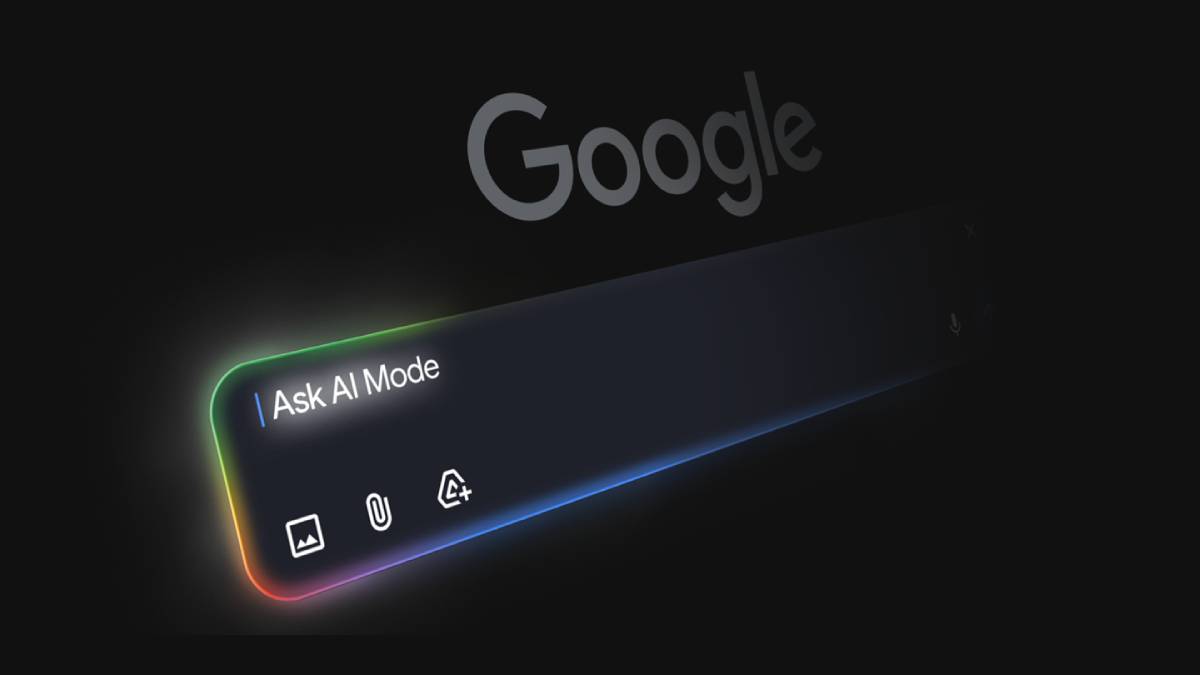
Google has expanded its experimental AI Mode in Google Search by introducing a feature called Canvas, designed to help users create and refine content directly within the search experience.

March 5, 2026
|

A major development unfolded in the global technology landscape as Google introduced Canvas in AI Mode within its search platform, enabling users to write, code, and build projects directly inside the search interface. The move signals a strategic push to transform search from an information tool into an AI-powered productivity workspace.

Google has expanded its experimental AI Mode in Google Search by introducing a feature called Canvas, designed to help users create and refine content directly within the search experience.

The Canvas environment allows users to draft documents, develop code, and iterate on ideas while interacting with AI-generated responses. Instead of traditional search results, the interface provides an editable workspace where AI assists with brainstorming, structuring information, and refining outputs.

The feature is aimed at students, developers, entrepreneurs, and knowledge workers who increasingly rely on generative AI tools for productivity. By embedding these capabilities into search, Google is positioning its platform as a central hub for both discovery and creation.

The introduction of Canvas reflects a broader transformation underway across the global technology industry as companies race to redefine digital productivity using artificial intelligence.

For decades, Google Search has served primarily as a gateway to information across the internet. However, the rapid rise of generative AI platforms—such as those developed by OpenAI, Microsoft, and Anthropic has shifted user expectations toward interactive, conversational tools capable of producing content rather than merely locating it.

Google has responded by embedding AI capabilities across its product ecosystem, including Gemini models integrated into search, productivity software, and developer platforms. The Canvas feature represents another step in that strategy, turning search into a collaborative AI workspace.

The shift also reflects increasing competition among global technology firms seeking to control the emerging AI productivity stack, where writing, coding, research, and creative work are increasingly automated.

Technology analysts say the launch of Canvas highlights how generative AI is reshaping the role of traditional internet platforms. Rather than simply directing users to external websites, platforms are now increasingly focused on enabling users to complete tasks within their ecosystems.

Industry observers note that integrating productivity tools directly into search could significantly alter how individuals and businesses interact with digital information. Instead of conducting multiple searches and switching between applications, users can now generate drafts, edit content, and test code in a single AI-powered environment.

Executives within the technology sector also view this development as part of a larger race to define the next generation of computing interfaces. Companies that successfully integrate AI into everyday workflows could capture substantial value in enterprise productivity, developer tools, and digital services markets.

For businesses, the integration of Canvas into search signals a potential shift in how employees conduct research, write reports, and develop software. Companies may increasingly rely on AI-powered search environments to accelerate workflows and reduce time spent switching between platforms.

Technology providers, meanwhile, face growing pressure to embed generative AI directly into their products to remain competitive. This could drive further innovation across enterprise productivity tools, developer environments, and collaboration platforms.

From a regulatory perspective, the evolution of AI-powered search also raises questions about platform dominance and the concentration of digital services. Governments in regions such as the European Union and the United States continue to evaluate how AI integration may reshape competition in the digital economy.

Looking ahead, the success of Canvas will likely depend on user adoption and the broader performance of AI Mode within Google’s search ecosystem. If widely adopted, the feature could accelerate the transformation of search into a full-scale productivity platform. For executives and policymakers alike, the development underscores a larger trend: the future of digital work may increasingly unfold directly within AI-driven platforms.

Source: Google Blog
Date: March 5, 2026

  • Featured tools
Murf Ai
Free

Murf AI Review – Advanced AI Voice Generator for Realistic Voiceovers

#
Text to Speech
Learn more
Figstack AI
Free

Figstack AI is an intelligent assistant for developers that explains code, generates docstrings, converts code between languages, and analyzes time complexity helping you work smarter, not harder.

#
Coding
Learn more

Learn more about future of AI

Join 80,000+ Ai enthusiast getting weekly updates on exciting AI tools.
Thank you! Your submission has been received!
Oops! Something went wrong while submitting the form.

Google Adds AI Canvas to Search for Coding Productivity

March 5, 2026

Google has expanded its experimental AI Mode in Google Search by introducing a feature called Canvas, designed to help users create and refine content directly within the search experience.

A major development unfolded in the global technology landscape as Google introduced Canvas in AI Mode within its search platform, enabling users to write, code, and build projects directly inside the search interface. The move signals a strategic push to transform search from an information tool into an AI-powered productivity workspace.

Google has expanded its experimental AI Mode in Google Search by introducing a feature called Canvas, designed to help users create and refine content directly within the search experience.

The Canvas environment allows users to draft documents, develop code, and iterate on ideas while interacting with AI-generated responses. Instead of traditional search results, the interface provides an editable workspace where AI assists with brainstorming, structuring information, and refining outputs.

The feature is aimed at students, developers, entrepreneurs, and knowledge workers who increasingly rely on generative AI tools for productivity. By embedding these capabilities into search, Google is positioning its platform as a central hub for both discovery and creation.

The introduction of Canvas reflects a broader transformation underway across the global technology industry as companies race to redefine digital productivity using artificial intelligence.

For decades, Google Search has served primarily as a gateway to information across the internet. However, the rapid rise of generative AI platforms—such as those developed by OpenAI, Microsoft, and Anthropic has shifted user expectations toward interactive, conversational tools capable of producing content rather than merely locating it.

Google has responded by embedding AI capabilities across its product ecosystem, including Gemini models integrated into search, productivity software, and developer platforms. The Canvas feature represents another step in that strategy, turning search into a collaborative AI workspace.

The shift also reflects increasing competition among global technology firms seeking to control the emerging AI productivity stack, where writing, coding, research, and creative work are increasingly automated.

Technology analysts say the launch of Canvas highlights how generative AI is reshaping the role of traditional internet platforms. Rather than simply directing users to external websites, platforms are now increasingly focused on enabling users to complete tasks within their ecosystems.

Industry observers note that integrating productivity tools directly into search could significantly alter how individuals and businesses interact with digital information. Instead of conducting multiple searches and switching between applications, users can now generate drafts, edit content, and test code in a single AI-powered environment.

Executives within the technology sector also view this development as part of a larger race to define the next generation of computing interfaces. Companies that successfully integrate AI into everyday workflows could capture substantial value in enterprise productivity, developer tools, and digital services markets.

For businesses, the integration of Canvas into search signals a potential shift in how employees conduct research, write reports, and develop software. Companies may increasingly rely on AI-powered search environments to accelerate workflows and reduce time spent switching between platforms.

Technology providers, meanwhile, face growing pressure to embed generative AI directly into their products to remain competitive. This could drive further innovation across enterprise productivity tools, developer environments, and collaboration platforms.

From a regulatory perspective, the evolution of AI-powered search also raises questions about platform dominance and the concentration of digital services. Governments in regions such as the European Union and the United States continue to evaluate how AI integration may reshape competition in the digital economy.

Looking ahead, the success of Canvas will likely depend on user adoption and the broader performance of AI Mode within Google’s search ecosystem. If widely adopted, the feature could accelerate the transformation of search into a full-scale productivity platform. For executives and policymakers alike, the development underscores a larger trend: the future of digital work may increasingly unfold directly within AI-driven platforms.

Source: Google Blog
Date: March 5, 2026

Promote Your Tool

Copy Embed Code

Similar Blogs

March 5, 2026
|

Grammarly Launches AI Expert Reviews Mimicking Famous Authors

Grammarly is rolling out a feature that provides AI-generated feedback modeled on the styles and perspectives of well-known writers.
Read more
March 5, 2026
|

X Tightens Monetization Rules, Targets Unlabelled AI War Videos

The policy update from X Corp. targets creators who monetize content through the platform’s ad-revenue sharing programs.
Read more
March 5, 2026
|

Anthropic AI Safety Strategy Triggers Pentagon Tensions, Spending Debate

The debate centers on how advanced AI systems should be deployed within defense and national security environments. Executives at Anthropic have positioned the company as a leader in AI safety.
Read more
March 5, 2026
|

Meta AI Glasses Data Review Sparks Internal Privacy Concerns

Employees working on AI training and moderation at Meta Platforms have reportedly been exposed to explicit or highly personal content captured through the company’s smart glasses ecosystem.
Read more
March 5, 2026
|

OpenAI Chief Warns Pentagon AI Use Beyond Company Control

A major development unfolded as Sam Altman acknowledged that OpenAI cannot fully control how governments including the U.S. Department of Defense use artificial intelligence technologies once deployed.
Read more
March 5, 2026
|

Amazon Launches OpenClaw on Lightsail for Private AI Agents

Amazon Web Services announced the availability of OpenClaw through Amazon Lightsail, offering developers a streamlined environment to run autonomous AI agents on dedicated cloud infrastructure.
Read more