
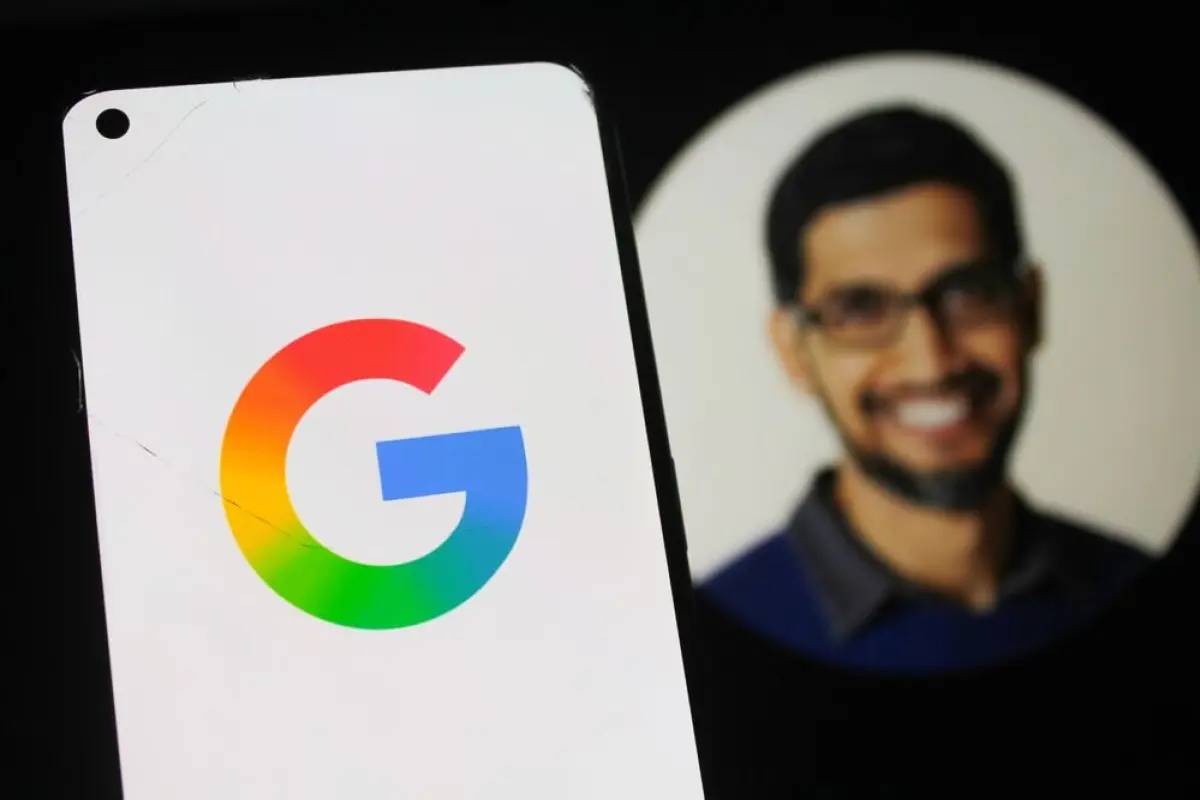
Google AI Push Faces Growing Backlash

The criticism centers on Google’s rapid expansion of AI-generated features across its ecosystem, including Search, productivity tools, advertising products, and Android services.

May 25, 2026
|
Image Source: The Register

A growing debate over artificial intelligence and user experience has intensified after criticism emerged around Google’s increasingly aggressive AI integration strategy. The backlash reflects wider concerns across the global technology sector, where companies are racing to deploy AI tools while users, regulators, and businesses question whether innovation is beginning to compromise usability, trust, and platform quality.

The criticism centers on Google’s rapid expansion of AI-generated features across its ecosystem, including Search, productivity tools, advertising products, and Android services. Industry observers argue that the company’s AI-first approach risks overwhelming users with automated summaries, intrusive recommendations, and experimental features that may reduce reliability and transparency.

The debate follows Google’s latest developer announcements showcasing deeper Gemini AI integration across consumer and enterprise platforms. Critics claim some AI implementations prioritize engagement metrics and competitive positioning over practical value for users.

The discussion also highlights mounting tension between innovation speed and user satisfaction, especially as major technology firms compete aggressively in the global AI race. The controversy reflects a broader shift underway across the global technology industry, where companies are embedding generative AI into nearly every digital product category. Since the launch of OpenAI’s ChatGPT and the acceleration of the AI arms race, firms including Google, Microsoft, Meta, and Amazon have invested billions into AI-powered search, assistants, automation tools, and advertising systems.

Google faces particular pressure because its core business depends heavily on Search dominance and advertising revenue. As AI-generated answers increasingly replace traditional web links, publishers, advertisers, and users have raised concerns over accuracy, traffic loss, and declining content quality.

The debate also mirrors earlier criticism aimed at social media and streaming platforms, where algorithmic optimization sometimes prioritized engagement over user experience. Analysts note that AI deployment now represents both a technological opportunity and a reputational risk for major platforms attempting to defend market share while reshaping digital behavior.

Technology analysts say the criticism aimed at Google underscores a growing divide between Silicon Valley’s enthusiasm for AI and the public’s expectations around reliability and control. Many experts argue that consumers increasingly want AI tools that are practical, transparent, and optional rather than deeply embedded into every interaction.

Supporters of Google’s strategy maintain that rapid experimentation is necessary to remain competitive against rivals such as Microsoft-backed OpenAI and Meta. They argue that AI integration will eventually streamline workflows, improve personalization, and enhance productivity across consumer and enterprise services.

Critics, however, warn that excessive automation risks reducing trust in core internet products. Some digital policy researchers have pointed to rising concerns over misinformation, AI hallucinations, and declining visibility for independent publishers.

The broader industry consensus suggests that user trust not just model capability may become the defining competitive advantage in the next phase of AI adoption. For businesses, the debate signals that AI adoption strategies must balance innovation with customer experience and operational transparency. Companies integrating generative AI into products may face increasing scrutiny over usability, accuracy, and data handling practices.

Advertisers and publishers could also see major shifts if AI-generated search results continue reducing traditional web traffic patterns. This may force media companies and digital businesses to rethink monetization strategies and content distribution models.

For policymakers, the controversy reinforces calls for clearer AI governance standards focused on transparency, accountability, and consumer protection. Regulators in the United States, Europe, and parts of Asia are already examining how dominant technology firms deploy generative AI systems within critical digital infrastructure and information ecosystems.

Google is expected to continue expanding Gemini-powered features despite growing criticism, as competition within the AI sector intensifies globally. The key question for executives and policymakers will be whether consumers ultimately embrace deeply integrated AI experiences or push back against excessive automation.

Industry leaders will closely watch user adoption trends, regulatory responses, and advertiser behavior over the coming months. The next stage of the AI race may depend less on capability alone and more on public trust and product discipline.

Source: The Register
Date: May 25, 2026

  • Featured tools
Upscayl AI
Free

Upscayl AI is a free, open-source AI-powered tool that enhances and upscales images to higher resolutions. It transforms blurry or low-quality visuals into sharp, detailed versions with ease.

#
Productivity
Learn more
Kreateable AI
Free

Kreateable AI is a white-label, AI-driven design platform that enables logo generation, social media posts, ads, and more for businesses, agencies, and service providers.

#
Logo Generator
Learn more

Learn more about future of AI

Join 80,000+ Ai enthusiast getting weekly updates on exciting AI tools.
Thank you! Your submission has been received!
Oops! Something went wrong while submitting the form.

Google AI Push Faces Growing Backlash

May 25, 2026

The criticism centers on Google’s rapid expansion of AI-generated features across its ecosystem, including Search, productivity tools, advertising products, and Android services.

Image Source: The Register

A growing debate over artificial intelligence and user experience has intensified after criticism emerged around Google’s increasingly aggressive AI integration strategy. The backlash reflects wider concerns across the global technology sector, where companies are racing to deploy AI tools while users, regulators, and businesses question whether innovation is beginning to compromise usability, trust, and platform quality.

The criticism centers on Google’s rapid expansion of AI-generated features across its ecosystem, including Search, productivity tools, advertising products, and Android services. Industry observers argue that the company’s AI-first approach risks overwhelming users with automated summaries, intrusive recommendations, and experimental features that may reduce reliability and transparency.

The debate follows Google’s latest developer announcements showcasing deeper Gemini AI integration across consumer and enterprise platforms. Critics claim some AI implementations prioritize engagement metrics and competitive positioning over practical value for users.

The discussion also highlights mounting tension between innovation speed and user satisfaction, especially as major technology firms compete aggressively in the global AI race. The controversy reflects a broader shift underway across the global technology industry, where companies are embedding generative AI into nearly every digital product category. Since the launch of OpenAI’s ChatGPT and the acceleration of the AI arms race, firms including Google, Microsoft, Meta, and Amazon have invested billions into AI-powered search, assistants, automation tools, and advertising systems.

Google faces particular pressure because its core business depends heavily on Search dominance and advertising revenue. As AI-generated answers increasingly replace traditional web links, publishers, advertisers, and users have raised concerns over accuracy, traffic loss, and declining content quality.

The debate also mirrors earlier criticism aimed at social media and streaming platforms, where algorithmic optimization sometimes prioritized engagement over user experience. Analysts note that AI deployment now represents both a technological opportunity and a reputational risk for major platforms attempting to defend market share while reshaping digital behavior.

Technology analysts say the criticism aimed at Google underscores a growing divide between Silicon Valley’s enthusiasm for AI and the public’s expectations around reliability and control. Many experts argue that consumers increasingly want AI tools that are practical, transparent, and optional rather than deeply embedded into every interaction.

Supporters of Google’s strategy maintain that rapid experimentation is necessary to remain competitive against rivals such as Microsoft-backed OpenAI and Meta. They argue that AI integration will eventually streamline workflows, improve personalization, and enhance productivity across consumer and enterprise services.

Critics, however, warn that excessive automation risks reducing trust in core internet products. Some digital policy researchers have pointed to rising concerns over misinformation, AI hallucinations, and declining visibility for independent publishers.

The broader industry consensus suggests that user trust not just model capability may become the defining competitive advantage in the next phase of AI adoption. For businesses, the debate signals that AI adoption strategies must balance innovation with customer experience and operational transparency. Companies integrating generative AI into products may face increasing scrutiny over usability, accuracy, and data handling practices.

Advertisers and publishers could also see major shifts if AI-generated search results continue reducing traditional web traffic patterns. This may force media companies and digital businesses to rethink monetization strategies and content distribution models.

For policymakers, the controversy reinforces calls for clearer AI governance standards focused on transparency, accountability, and consumer protection. Regulators in the United States, Europe, and parts of Asia are already examining how dominant technology firms deploy generative AI systems within critical digital infrastructure and information ecosystems.

Google is expected to continue expanding Gemini-powered features despite growing criticism, as competition within the AI sector intensifies globally. The key question for executives and policymakers will be whether consumers ultimately embrace deeply integrated AI experiences or push back against excessive automation.

Industry leaders will closely watch user adoption trends, regulatory responses, and advertiser behavior over the coming months. The next stage of the AI race may depend less on capability alone and more on public trust and product discipline.

Source: The Register
Date: May 25, 2026

Promote Your Tool

Copy Embed Code

Similar Blogs

May 25, 2026
|

Google I/O Signals AI First Future

At Google I/O, the company unveiled expanded AI capabilities across its core products, including search, Gemini integrations, and developer tools.
Read more
May 25, 2026
|

ADT Expands AI DIY Security Systems

The latest product line introduces AI-assisted video analysis, enabling automated detection and smarter alerts within ADT’s DIY ecosystem.
Read more
May 25, 2026
|

T-Mobile Signals Shift Toward Real-Time Translation

The beta feature allows users to engage in live conversations with automatic translation handled through T-Mobile’s network infrastructure rather than solely on-device processing.
Read more
May 25, 2026
|

Apple $250M AI Settlement Signals Legal Risk

The settlement stems from claims related to AI-assisted features on Apple devices, with affected users potentially eligible for compensation depending on usage criteria.
Read more
May 25, 2026
|

Universal Music TikTok Pact Reshapes Royalties

The agreement ensures continued licensing of Universal Music’s catalog on TikTok, while enhancing royalty frameworks for artists and rights holders.
Read more
May 25, 2026
|

Google AI Search Faces Reliability Scrutin

Users and testers report that Google’s AI Overviews can produce responses that diverge significantly from original queries, sometimes prioritizing synthesized summaries over precise search intent.
Read more