
Google Expands Gemini Across Android Ecosystem

Google is accelerating the integration of its Gemini AI models across the Android ecosystem, aiming to make artificial intelligence a foundational layer of mobile operating systems, devices, and applications.

May 13, 2026
|
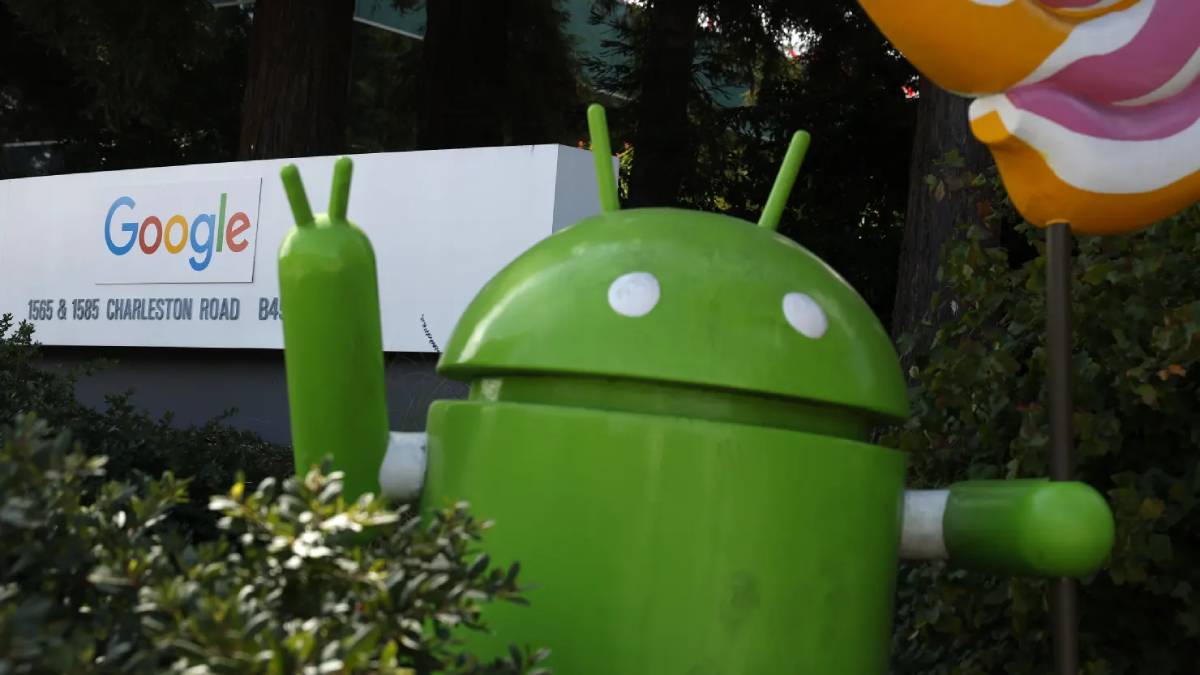
Image Source:  CNBC

A strategic escalation in the global AI platform race is underway as Google intensifies efforts to embed its Gemini AI system at the core of Android, positioning itself ahead of an anticipated artificial intelligence overhaul from Apple. The move underscores the growing competition to define the next-generation mobile computing paradigm through deeply integrated AI ecosystems.

Google is accelerating the integration of its Gemini AI models across the Android ecosystem, aiming to make artificial intelligence a foundational layer of mobile operating systems, devices, and applications.

The initiative focuses on embedding Gemini into core Android functions, including system-level intelligence, user assistance, app interactions, and device optimization. This approach is designed to create a unified AI experience across smartphones, tablets, and connected devices.

The strategy positions Google to strengthen its control over mobile AI infrastructure ahead of Apple’s expected AI platform enhancements, which are widely anticipated to reshape the iOS ecosystem.

Key stakeholders include smartphone manufacturers, mobile chipset providers, app developers, telecom operators, and global consumers relying on Android devices for daily digital interactions.

The development highlights an intensifying race between major technology ecosystems to dominate AI-driven mobile computing, where operating systems are evolving into intelligent platforms rather than static software environments.

The move aligns with a broader transformation in the global mobile computing industry, where artificial intelligence is becoming a central layer of operating system design rather than an application-level feature.

Historically, mobile platforms such as Android and iOS focused on app ecosystems, user interfaces, and hardware optimization. However, the rise of generative AI has shifted competition toward intelligence integration, where operating systems themselves act as AI-powered assistants capable of contextual reasoning and automation.

This shift is being driven by advancements in large language models, edge computing capabilities, and increasing consumer demand for personalized, predictive digital experiences.

The competitive dynamic between Google and Apple has long defined the mobile industry. With AI now emerging as the next platform battleground, both companies are racing to redefine how users interact with devices, applications, and digital services.

Geopolitically and economically, control over mobile AI ecosystems carries significant implications for data governance, platform dependency, and digital market influence, particularly as billions of users rely on smartphones as their primary computing devices.

The integration of AI into operating systems also reflects broader trends in platform consolidation, where ecosystems increasingly seek to control both hardware and software intelligence layers.

Technology analysts describe Google’s accelerated Gemini integration as a defensive and offensive strategic move aimed at securing dominance in the AI-native mobile era.

Industry observers note that embedding AI directly into operating systems could fundamentally alter user behavior, shifting interactions from app-based navigation to conversational and intent-driven computing.

Experts suggest that this transition could reduce friction in mobile workflows, enabling automated task execution, predictive assistance, and more seamless cross-application experiences.

However, analysts also caution that deep OS-level AI integration raises concerns around data privacy, system transparency, and platform dependency, particularly as AI systems gain greater control over user interactions.

Market strategists emphasize that Apple’s anticipated AI reboot will likely intensify competition, potentially triggering a new cycle of innovation in mobile hardware and software integration.

The broader consensus is that mobile operating systems are evolving into AI orchestration layers that will define the next decade of consumer technology. For businesses, Google’s move could reshape mobile app development strategies, as developers adapt to AI-first operating systems that prioritize intent-based interactions over traditional app navigation.

Device manufacturers and chipset providers may face increased demand for AI-optimized hardware capable of supporting on-device inference and real-time processing.

For investors, the intensifying AI platform competition between Google and Apple signals a new growth cycle in mobile ecosystems, with significant implications for software, hardware, and advertising markets.

From a policy perspective, regulators may increasingly scrutinize AI integration at the operating system level due to concerns around data privacy, platform dominance, and algorithmic transparency.

Consumers are likely to experience more personalized and automated mobile interactions, though with increased reliance on ecosystem-level AI decision-making. The broader technology landscape is shifting toward AI-centric operating systems as the new foundation of digital platforms.

The race between Google and Apple to define AI-native mobile ecosystems is expected to intensify over the coming product cycles. Decision-makers will watch closely how Gemini integration scales across Android and how Apple responds with its own AI architecture overhaul. The future of mobile computing is increasingly being defined not by apps, but by intelligent operating systems that anticipate user needs in real time.

Source: CNBC
Date: May 12, 2026

  • Featured tools
Neuron AI
Free

Neuron AI is an AI-driven content optimization platform that helps creators produce SEO-friendly content by combining semantic SEO, competitor analysis, and AI-assisted writing workflows.

#
SEO
Learn more
Twistly AI
Paid

Twistly AI is a PowerPoint add-in that allows users to generate full slide decks, improve existing presentations, and convert various content types into polished slides directly within Microsoft PowerPoint.It streamlines presentation creation using AI-powered text analysis, image generation and content conversion.

#
Presentation
Learn more

Learn more about future of AI

Join 80,000+ Ai enthusiast getting weekly updates on exciting AI tools.
Thank you! Your submission has been received!
Oops! Something went wrong while submitting the form.

Google Expands Gemini Across Android Ecosystem

May 13, 2026

Google is accelerating the integration of its Gemini AI models across the Android ecosystem, aiming to make artificial intelligence a foundational layer of mobile operating systems, devices, and applications.

Image Source:  CNBC

A strategic escalation in the global AI platform race is underway as Google intensifies efforts to embed its Gemini AI system at the core of Android, positioning itself ahead of an anticipated artificial intelligence overhaul from Apple. The move underscores the growing competition to define the next-generation mobile computing paradigm through deeply integrated AI ecosystems.

Google is accelerating the integration of its Gemini AI models across the Android ecosystem, aiming to make artificial intelligence a foundational layer of mobile operating systems, devices, and applications.

The initiative focuses on embedding Gemini into core Android functions, including system-level intelligence, user assistance, app interactions, and device optimization. This approach is designed to create a unified AI experience across smartphones, tablets, and connected devices.

The strategy positions Google to strengthen its control over mobile AI infrastructure ahead of Apple’s expected AI platform enhancements, which are widely anticipated to reshape the iOS ecosystem.

Key stakeholders include smartphone manufacturers, mobile chipset providers, app developers, telecom operators, and global consumers relying on Android devices for daily digital interactions.

The development highlights an intensifying race between major technology ecosystems to dominate AI-driven mobile computing, where operating systems are evolving into intelligent platforms rather than static software environments.

The move aligns with a broader transformation in the global mobile computing industry, where artificial intelligence is becoming a central layer of operating system design rather than an application-level feature.

Historically, mobile platforms such as Android and iOS focused on app ecosystems, user interfaces, and hardware optimization. However, the rise of generative AI has shifted competition toward intelligence integration, where operating systems themselves act as AI-powered assistants capable of contextual reasoning and automation.

This shift is being driven by advancements in large language models, edge computing capabilities, and increasing consumer demand for personalized, predictive digital experiences.

The competitive dynamic between Google and Apple has long defined the mobile industry. With AI now emerging as the next platform battleground, both companies are racing to redefine how users interact with devices, applications, and digital services.

Geopolitically and economically, control over mobile AI ecosystems carries significant implications for data governance, platform dependency, and digital market influence, particularly as billions of users rely on smartphones as their primary computing devices.

The integration of AI into operating systems also reflects broader trends in platform consolidation, where ecosystems increasingly seek to control both hardware and software intelligence layers.

Technology analysts describe Google’s accelerated Gemini integration as a defensive and offensive strategic move aimed at securing dominance in the AI-native mobile era.

Industry observers note that embedding AI directly into operating systems could fundamentally alter user behavior, shifting interactions from app-based navigation to conversational and intent-driven computing.

Experts suggest that this transition could reduce friction in mobile workflows, enabling automated task execution, predictive assistance, and more seamless cross-application experiences.

However, analysts also caution that deep OS-level AI integration raises concerns around data privacy, system transparency, and platform dependency, particularly as AI systems gain greater control over user interactions.

Market strategists emphasize that Apple’s anticipated AI reboot will likely intensify competition, potentially triggering a new cycle of innovation in mobile hardware and software integration.

The broader consensus is that mobile operating systems are evolving into AI orchestration layers that will define the next decade of consumer technology. For businesses, Google’s move could reshape mobile app development strategies, as developers adapt to AI-first operating systems that prioritize intent-based interactions over traditional app navigation.

Device manufacturers and chipset providers may face increased demand for AI-optimized hardware capable of supporting on-device inference and real-time processing.

For investors, the intensifying AI platform competition between Google and Apple signals a new growth cycle in mobile ecosystems, with significant implications for software, hardware, and advertising markets.

From a policy perspective, regulators may increasingly scrutinize AI integration at the operating system level due to concerns around data privacy, platform dominance, and algorithmic transparency.

Consumers are likely to experience more personalized and automated mobile interactions, though with increased reliance on ecosystem-level AI decision-making. The broader technology landscape is shifting toward AI-centric operating systems as the new foundation of digital platforms.

The race between Google and Apple to define AI-native mobile ecosystems is expected to intensify over the coming product cycles. Decision-makers will watch closely how Gemini integration scales across Android and how Apple responds with its own AI architecture overhaul. The future of mobile computing is increasingly being defined not by apps, but by intelligent operating systems that anticipate user needs in real time.

Source: CNBC
Date: May 12, 2026

Promote Your Tool

Copy Embed Code

Similar Blogs

May 13, 2026
|

Meta AI Strategy Sparks Threads Debate

The issue centers on Meta’s decision to make its AI assistant account on Threads non-blockable, effectively ensuring persistent visibility within user interactions.
Read more
May 13, 2026
|

Sony Upgrades Wearable Neck Cooling Device

Sony’s latest iteration of its wearable cooling device improves thermal efficiency, comfort fit, and sustained cooling performance around the neck and upper torso region.
Read more
May 13, 2026
|

ChatGPT Lawsuit Sparks AI Accountability Concerns

The lawsuit claims that interactions with ChatGPT included responses that were interpreted as guidance related to drug use, which allegedly played a role in a tragic outcome involving a teenager.
Read more
May 13, 2026
|

SwitchBot Enters AI Robotics Companion Devices

SwitchBot’s latest AI-enabled companion devices are designed to interact dynamically with users, adapting responses based on behavioral patterns, environmental context, and interaction history.
Read more
May 13, 2026
|

Rivian Adds Context Aware AI EV Dashboard

Rivian’s new AI assistant introduces a natural-language interface that moves beyond traditional voice-command systems, aiming to understand driver intent and contextual meaning rather than relying solely on predefined instructions.
Read more
May 13, 2026
|

Google Deepens AI First Gemini Ecosystem

Google is accelerating its AI-first strategy by positioning its Gemini model family as the central intelligence layer across its ecosystem, including Android, cloud services, productivity tools.
Read more