



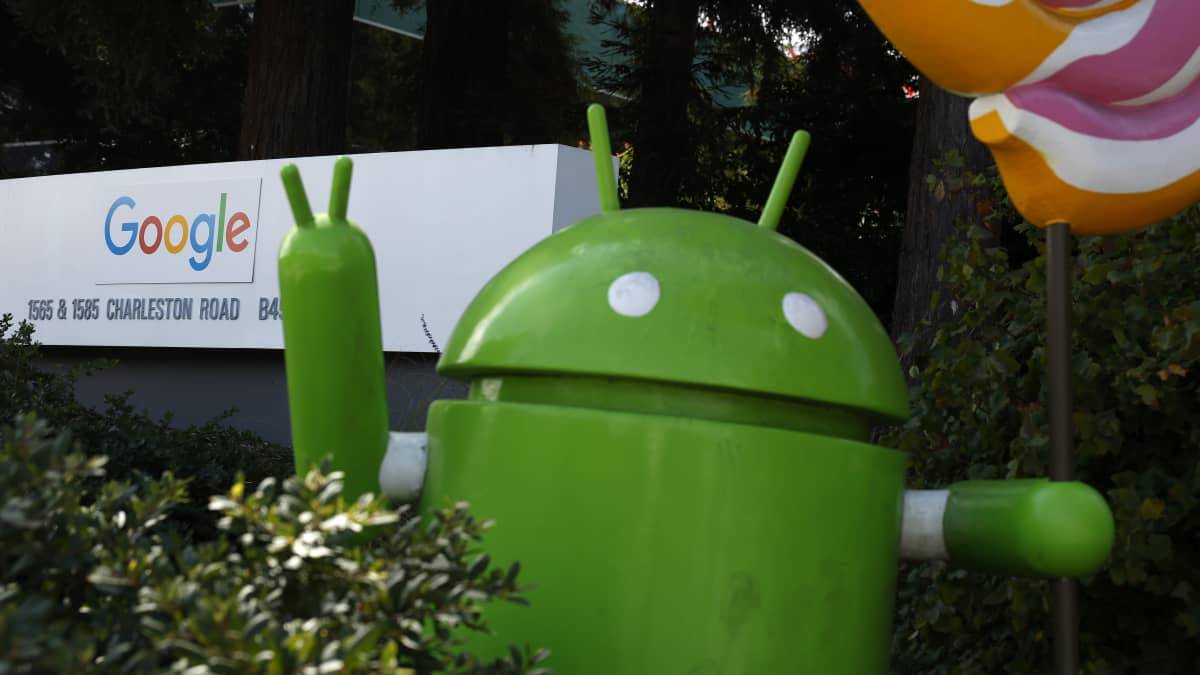
Alphabet is entering its annual Google I/O developer conference under mounting pressure to demonstrate leadership in artificial intelligence, as investors increasingly evaluate Big Tech companies based on AI monetization, infrastructure scale, and enterprise adoption potential. The event is expected to shape market sentiment around Alphabet’s long-term competitiveness in the intensifying global AI race.
Google I/O is expected to showcase major updates across Alphabet’s AI ecosystem, including advancements in Gemini models, AI-powered search capabilities, Android integration, cloud infrastructure, and consumer-facing productivity tools. Investors and analysts are closely watching whether the company can translate technological leadership into stronger commercial positioning.
The conference comes amid fierce competition from rivals including Microsoft, OpenAI, and Meta, all of which have accelerated AI product rollouts and infrastructure investments. Wall Street is particularly focused on monetization strategies, enterprise AI growth, and whether Google can defend its dominant search business against emerging generative AI platforms.
The upcoming Google I/O conference arrives during one of the most transformative periods in the technology industry since the rise of cloud computing and smartphones. Artificial intelligence has rapidly become the primary battleground among global technology giants, driving massive investments into chips, cloud infrastructure, large language models, and enterprise software ecosystems.
Alphabet has faced heightened scrutiny over whether it moved too cautiously during the early stages of the generative AI boom, particularly after OpenAI’s rapid rise reshaped the competitive landscape. While Google possesses deep AI research capabilities and extensive cloud infrastructure, investors have increasingly demanded clearer evidence of commercial execution and revenue generation.
The broader market context also reflects concerns over the long-term sustainability of AI spending. Technology firms are investing billions into data centers and advanced semiconductors, raising questions about profitability timelines, operational efficiency, and future market concentration.
Industry analysts believe Google I/O represents a pivotal moment for Alphabet to reassure investors that it remains at the forefront of artificial intelligence innovation. Market observers suggest the company must demonstrate not only advanced AI capabilities but also a credible strategy for scaling enterprise adoption and protecting advertising revenues.
Technology strategists note that Google’s strength lies in integrating AI across multiple platforms simultaneously, including search, cloud computing, Android devices, productivity software, and developer tools. Analysts argue this ecosystem advantage could help Alphabet compete more effectively against single-platform AI rivals.
However, experts also caution that expectations surrounding AI commercialization remain exceptionally high. Investors are increasingly demanding measurable financial outcomes rather than experimental product demonstrations. Corporate leaders and analysts alike will therefore assess whether Alphabet can translate AI leadership into durable revenue growth and long-term shareholder value.
For businesses, the announcements at Google I/O could influence enterprise technology strategies, particularly in cloud migration, AI deployment, workplace productivity, and customer engagement systems. Companies evaluating AI vendors may closely compare Google’s offerings against competing ecosystems from Microsoft and OpenAI.
For investors, the conference may become a critical indicator of Alphabet’s ability to sustain growth in an increasingly AI-driven market environment. Strong product execution could reinforce confidence in the company’s long-term positioning.
For policymakers and regulators, expanding AI integration across consumer and enterprise platforms raises ongoing concerns surrounding competition, data privacy, misinformation risks, and digital market concentration as global governments intensify scrutiny of dominant technology firms.
The success of Google I/O will likely be measured less by product announcements alone and more by Alphabet’s ability to demonstrate scalable AI monetization and ecosystem leadership. Investors will watch closely for signs of enterprise momentum, cloud adoption growth, and AI integration across core services. As the AI race accelerates globally, Google’s next phase will depend on converting technological depth into commercial dominance while navigating mounting regulatory and competitive pressures.
Source: CNBC
Date: May 18, 2026


