
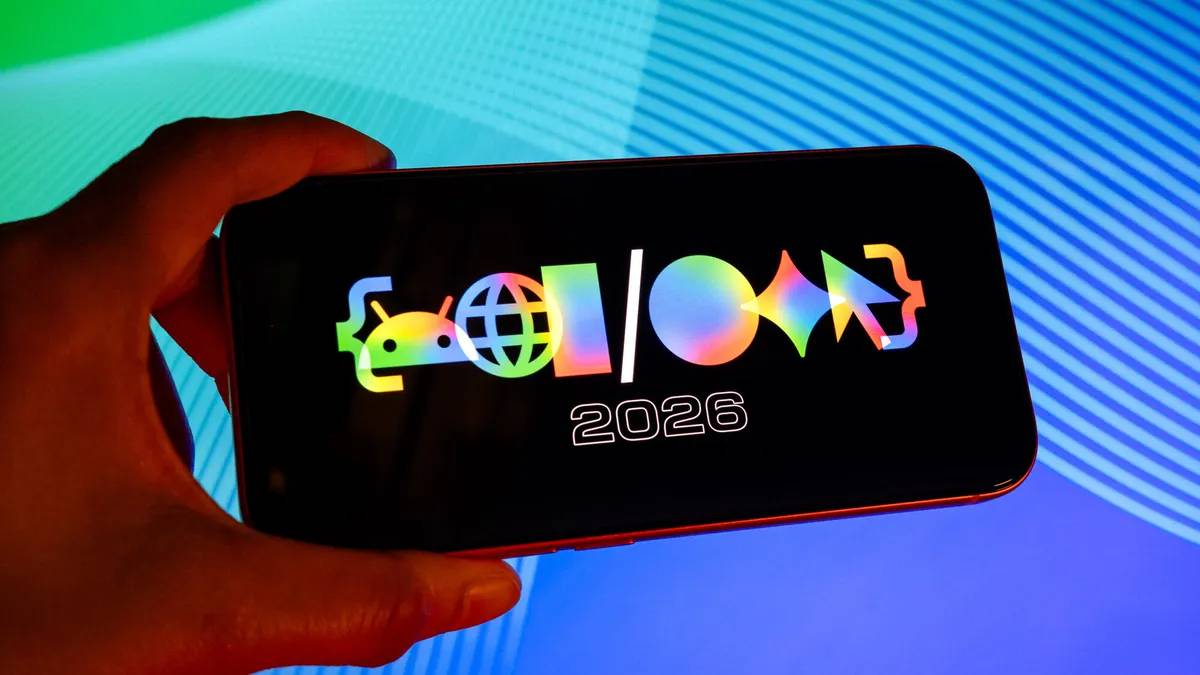
Google I/O 2026 Showcases Next-Gen AI Ecosystem

Google has confirmed details for its Google I/O 2026 event, including how audiences can stream the keynote and what to expect from the presentation.

May 15, 2026
|

A major industry event is set to take center stage as Google prepares to host its annual Google I/O 2026 keynote, outlining its roadmap for artificial intelligence, developer tools, and consumer ecosystem expansion. The announcement underscores the company’s continued push to define the next phase of AI-driven computing, with implications for global developers, enterprises, and digital platform markets.

Google has confirmed details for its Google I/O 2026 event, including how audiences can stream the keynote and what to expect from the presentation. The event is expected to highlight advancements across generative AI, Android ecosystem updates, cloud infrastructure, and developer tools.

The keynote is widely anticipated to focus on AI integration across Google’s product suite, including search, productivity applications, mobile platforms, and cloud services. Developers and enterprises are particularly watching for updates to Google’s AI models, including enhancements to multimodal systems and on-device processing capabilities.

The event also serves as a strategic platform for Google to compete more aggressively with rivals such as Microsoft, Apple, and OpenAI, all of which are rapidly advancing their AI ecosystems across consumer and enterprise markets.

The development aligns with a broader transformation across the global technology sector, where annual developer conferences have evolved into key geopolitical and economic signals for the direction of artificial intelligence and platform ecosystems.

Google I/O has historically served as a launchpad for major innovations across Android, Chrome, Google Cloud, and AI services. In recent years, however, the focus has increasingly shifted toward artificial intelligence, reflecting the industry-wide pivot toward generative AI as the core driver of future computing.

This shift comes amid intensifying competition in AI infrastructure, semiconductor capacity, and cloud computing dominance. Companies are investing heavily in foundation models, AI assistants, and developer APIs to lock in long-term ecosystem control.

The broader economic context is equally significant. AI is now viewed as a foundational layer across industries including healthcare, finance, education, logistics, and media. As a result, developer ecosystems like Google I/O have become critical indicators of future enterprise technology direction and investment cycles.

Geopolitically, the expansion of AI platforms is also tied to national strategies around digital sovereignty, data governance, and semiconductor independence. Governments are closely monitoring how major technology firms deploy AI across global markets.

Technology analysts expect Google I/O 2026 to emphasize deeper integration of AI across all layers of its ecosystem, from mobile operating systems to cloud infrastructure. Experts suggest that Google will likely highlight improvements in multimodal AI, real-time reasoning, and personalized digital assistants.

Industry observers note that developer engagement remains a key strategic asset for Google, as application ecosystems often determine long-term platform dominance. Analysts argue that enhanced AI tooling for developers could accelerate the creation of next-generation applications across mobile, web, and enterprise environments.

Market strategists also highlight that Google’s ability to integrate AI across search, advertising, and cloud services could significantly strengthen its competitive position against Microsoft and OpenAI-backed ecosystems.

At the same time, experts caution that regulatory scrutiny of AI systems is increasing globally. Concerns around data privacy, algorithmic transparency, and platform dominance are likely to shape both product design and policy discussions emerging from the event.

For businesses, Google I/O 2026 is expected to provide critical insights into how AI will reshape software development, digital advertising, and enterprise cloud adoption. Companies may need to adapt strategies around AI integration, data workflows, and digital product design to remain competitive.

Investors are likely to track announcements closely for signals regarding AI monetization, cloud growth, and developer ecosystem expansion. Technology firms positioned within AI infrastructure, semiconductor supply chains, and cloud services could see increased market attention.

For policymakers, the event underscores the growing influence of platform ecosystems in shaping global digital infrastructure. Regulatory attention may intensify around AI governance, competition policy, and data usage transparency as major technology firms expand their AI capabilities.

Google I/O 2026 is expected to set the tone for the next phase of AI platform competition, with developers and enterprises watching closely for strategic direction. The evolution of Google’s AI ecosystem will likely influence broader industry standards and competitive dynamics across global technology markets. The key question ahead is how effectively Google can translate AI innovation into sustained ecosystem dominance amid rising global competition.

Source: CNET
Date: May 15, 2026

  • Featured tools
Kreateable AI
Free

Kreateable AI is a white-label, AI-driven design platform that enables logo generation, social media posts, ads, and more for businesses, agencies, and service providers.

#
Logo Generator
Learn more
Twistly AI
Paid

Twistly AI is a PowerPoint add-in that allows users to generate full slide decks, improve existing presentations, and convert various content types into polished slides directly within Microsoft PowerPoint.It streamlines presentation creation using AI-powered text analysis, image generation and content conversion.

#
Presentation
Learn more

Learn more about future of AI

Join 80,000+ Ai enthusiast getting weekly updates on exciting AI tools.
Thank you! Your submission has been received!
Oops! Something went wrong while submitting the form.

Google I/O 2026 Showcases Next-Gen AI Ecosystem

May 15, 2026

Google has confirmed details for its Google I/O 2026 event, including how audiences can stream the keynote and what to expect from the presentation.

A major industry event is set to take center stage as Google prepares to host its annual Google I/O 2026 keynote, outlining its roadmap for artificial intelligence, developer tools, and consumer ecosystem expansion. The announcement underscores the company’s continued push to define the next phase of AI-driven computing, with implications for global developers, enterprises, and digital platform markets.

Google has confirmed details for its Google I/O 2026 event, including how audiences can stream the keynote and what to expect from the presentation. The event is expected to highlight advancements across generative AI, Android ecosystem updates, cloud infrastructure, and developer tools.

The keynote is widely anticipated to focus on AI integration across Google’s product suite, including search, productivity applications, mobile platforms, and cloud services. Developers and enterprises are particularly watching for updates to Google’s AI models, including enhancements to multimodal systems and on-device processing capabilities.

The event also serves as a strategic platform for Google to compete more aggressively with rivals such as Microsoft, Apple, and OpenAI, all of which are rapidly advancing their AI ecosystems across consumer and enterprise markets.

The development aligns with a broader transformation across the global technology sector, where annual developer conferences have evolved into key geopolitical and economic signals for the direction of artificial intelligence and platform ecosystems.

Google I/O has historically served as a launchpad for major innovations across Android, Chrome, Google Cloud, and AI services. In recent years, however, the focus has increasingly shifted toward artificial intelligence, reflecting the industry-wide pivot toward generative AI as the core driver of future computing.

This shift comes amid intensifying competition in AI infrastructure, semiconductor capacity, and cloud computing dominance. Companies are investing heavily in foundation models, AI assistants, and developer APIs to lock in long-term ecosystem control.

The broader economic context is equally significant. AI is now viewed as a foundational layer across industries including healthcare, finance, education, logistics, and media. As a result, developer ecosystems like Google I/O have become critical indicators of future enterprise technology direction and investment cycles.

Geopolitically, the expansion of AI platforms is also tied to national strategies around digital sovereignty, data governance, and semiconductor independence. Governments are closely monitoring how major technology firms deploy AI across global markets.

Technology analysts expect Google I/O 2026 to emphasize deeper integration of AI across all layers of its ecosystem, from mobile operating systems to cloud infrastructure. Experts suggest that Google will likely highlight improvements in multimodal AI, real-time reasoning, and personalized digital assistants.

Industry observers note that developer engagement remains a key strategic asset for Google, as application ecosystems often determine long-term platform dominance. Analysts argue that enhanced AI tooling for developers could accelerate the creation of next-generation applications across mobile, web, and enterprise environments.

Market strategists also highlight that Google’s ability to integrate AI across search, advertising, and cloud services could significantly strengthen its competitive position against Microsoft and OpenAI-backed ecosystems.

At the same time, experts caution that regulatory scrutiny of AI systems is increasing globally. Concerns around data privacy, algorithmic transparency, and platform dominance are likely to shape both product design and policy discussions emerging from the event.

For businesses, Google I/O 2026 is expected to provide critical insights into how AI will reshape software development, digital advertising, and enterprise cloud adoption. Companies may need to adapt strategies around AI integration, data workflows, and digital product design to remain competitive.

Investors are likely to track announcements closely for signals regarding AI monetization, cloud growth, and developer ecosystem expansion. Technology firms positioned within AI infrastructure, semiconductor supply chains, and cloud services could see increased market attention.

For policymakers, the event underscores the growing influence of platform ecosystems in shaping global digital infrastructure. Regulatory attention may intensify around AI governance, competition policy, and data usage transparency as major technology firms expand their AI capabilities.

Google I/O 2026 is expected to set the tone for the next phase of AI platform competition, with developers and enterprises watching closely for strategic direction. The evolution of Google’s AI ecosystem will likely influence broader industry standards and competitive dynamics across global technology markets. The key question ahead is how effectively Google can translate AI innovation into sustained ecosystem dominance amid rising global competition.

Source: CNET
Date: May 15, 2026

Promote Your Tool

Copy Embed Code

Similar Blogs

June 9, 2026
|

OpenAI Files Confidential SEC IPO Plan

OpenAI announced that it has confidentially submitted a draft S-1 filing to the U.S. Securities and Exchange Commission (SEC), a key procedural step typically associated with preparations for an initial public offering.
Read more
June 9, 2026
|

AI Disruption Hits Private Equity Deals

Private equity technology deal values have reportedly fallen by approximately 70%, reflecting heightened investor caution toward companies perceived as vulnerable to artificial intelligence disruption.
Read more
June 9, 2026
|

NVIDIA LG Launch Physical AI Factory Initiative

NVIDIA and LG Group revealed a partnership focused on developing an AI factory designed to support physical AI applications, advanced mobility solutions, and enterprise-scale AI infrastructure.
Read more
June 9, 2026
|

Apple AI Strategy Draws Mixed Reviews

Following Apple’s latest developer conference, industry leaders and technology experts offered a range of reactions to the company’s expanded AI strategy.
Read more
June 9, 2026
|

Apple Unveils Next Generation Siri Strategy

Apple introduced significant upgrades to Siri as part of its evolving Apple Intelligence initiative, designed to deliver more personalized, context-aware, and integrated AI experiences across its product ecosystem.
Read more
June 9, 2026
|

AI Wealth Surge Reshapes Luxury Economy

The report examines how professionals operating in premium companionship and lifestyle service sectors are benefiting from the influx of wealth associated with the AI industry.
Read more