
GoPro Targets High-End Creator Market

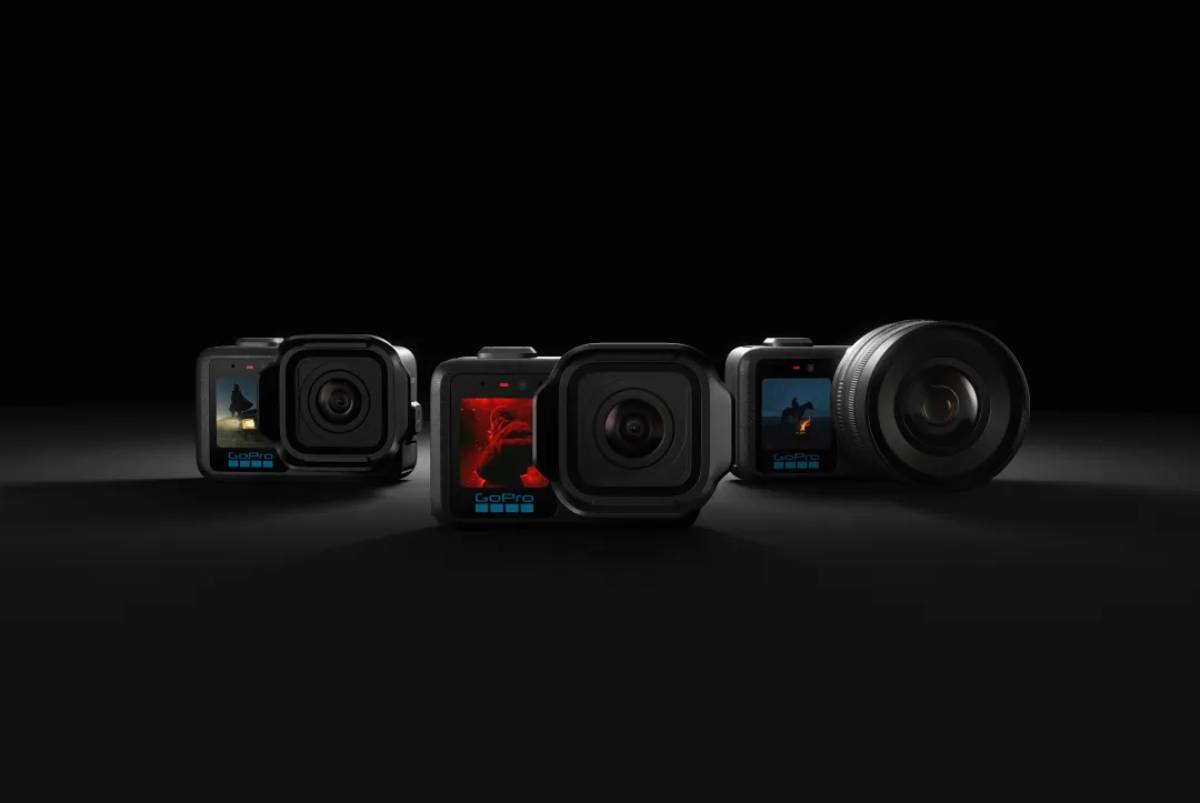
GoPro has introduced a new direction for its camera ecosystem by enabling compatibility with Micro Four Thirds lenses, traditionally used in professional mirrorless camera systems.

April 15, 2026
|
Image Source: The Verge

A major development in the action camera industry has emerged as GoPro announced expanded support for Micro Four Thirds lens compatibility, signaling a strategic push toward the professional imaging market. The move positions the company beyond traditional action cameras, targeting filmmakers, content creators, and high-end production workflows with enhanced optical flexibility.

GoPro has introduced a new direction for its camera ecosystem by enabling compatibility with Micro Four Thirds lenses, traditionally used in professional mirrorless camera systems. The announcement, reported by The Verge, highlights the company’s ambition to move upmarket from rugged action devices to more versatile production-grade tools.

The initiative aims to give creators access to interchangeable lens systems, improved depth control, and cinematic image quality. This marks a notable shift from GoPro’s fixed-lens heritage. The strategy aligns with growing demand from content creators who require hybrid tools capable of both action capture and professional filmmaking output.

The development aligns with a broader trend across the imaging and creator economy where hardware manufacturers are blurring the line between consumer and professional-grade equipment. Companies like Sony and Canon have long dominated the interchangeable lens camera market, while action camera makers have traditionally focused on compact, fixed-lens designs.

GoPro has historically built its brand around durability, portability, and lifestyle-oriented action capture. However, the rise of independent content creators, streaming platforms, and digital filmmaking has expanded demand for compact yet professional imaging systems.

The Micro Four Thirds ecosystem itself has become a widely adopted standard for lightweight cinema and hybrid cameras, offering a balance between portability and image quality. GoPro’s move reflects an attempt to capture a segment of creators who want cinematic control without the bulk of traditional rigs, especially in fast-moving production environments.

Industry analysts suggest that GoPro’s pivot toward interchangeable lens support represents a strategic attempt to reposition itself in a highly competitive imaging market. Experts note that the action camera segment has matured, with limited differentiation in core hardware, pushing companies to explore adjacent professional markets.

Technology commentators highlight that integrating Micro Four Thirds compatibility could significantly expand GoPro’s addressable market, particularly among filmmakers, travel creators, and independent production studios. However, they also caution that this move places GoPro in closer competition with established camera manufacturers that already dominate professional workflows.

Market observers emphasize that success will depend on ecosystem support, lens availability, and software integration. Without a strong end-to-end workflow—spanning capture, editing, and distribution hardware innovation alone may not be sufficient to shift professional adoption patterns.

For global executives, GoPro’s move signals increasing convergence between consumer electronics and professional imaging systems. Companies in the camera and content creation ecosystem may need to reassess product segmentation strategies as hybrid devices gain traction.

Investors are likely to evaluate whether GoPro can successfully transition into higher-margin professional segments, where competition is more intense but pricing power is stronger. Meanwhile, competitors such as Sony and Canon may face incremental pressure from compact hybrid entrants.

For consumers and creators, the shift could lower barriers to professional-grade filmmaking by reducing the need for expensive, bulky camera rigs, potentially accelerating growth in the creator economy.

Looking ahead, GoPro’s success will depend on ecosystem expansion, lens partnerships, and adoption among professional creators. Decision-makers should monitor how quickly the Micro Four Thirds integration translates into real-world usage in film, media production, and digital content industries.

As the creator economy evolves, the demand for lightweight yet professional imaging systems is expected to intensify, potentially reshaping competitive dynamics in the global camera market.

Source: The Verge
Date: April 2026

  • Featured tools
Figstack AI
Free

Figstack AI is an intelligent assistant for developers that explains code, generates docstrings, converts code between languages, and analyzes time complexity helping you work smarter, not harder.

#
Coding
Learn more
Neuron AI
Free

Neuron AI is an AI-driven content optimization platform that helps creators produce SEO-friendly content by combining semantic SEO, competitor analysis, and AI-assisted writing workflows.

#
SEO
Learn more

Learn more about future of AI

Join 80,000+ Ai enthusiast getting weekly updates on exciting AI tools.
Thank you! Your submission has been received!
Oops! Something went wrong while submitting the form.

GoPro Targets High-End Creator Market

April 15, 2026

GoPro has introduced a new direction for its camera ecosystem by enabling compatibility with Micro Four Thirds lenses, traditionally used in professional mirrorless camera systems.

Image Source: The Verge

A major development in the action camera industry has emerged as GoPro announced expanded support for Micro Four Thirds lens compatibility, signaling a strategic push toward the professional imaging market. The move positions the company beyond traditional action cameras, targeting filmmakers, content creators, and high-end production workflows with enhanced optical flexibility.

GoPro has introduced a new direction for its camera ecosystem by enabling compatibility with Micro Four Thirds lenses, traditionally used in professional mirrorless camera systems. The announcement, reported by The Verge, highlights the company’s ambition to move upmarket from rugged action devices to more versatile production-grade tools.

The initiative aims to give creators access to interchangeable lens systems, improved depth control, and cinematic image quality. This marks a notable shift from GoPro’s fixed-lens heritage. The strategy aligns with growing demand from content creators who require hybrid tools capable of both action capture and professional filmmaking output.

The development aligns with a broader trend across the imaging and creator economy where hardware manufacturers are blurring the line between consumer and professional-grade equipment. Companies like Sony and Canon have long dominated the interchangeable lens camera market, while action camera makers have traditionally focused on compact, fixed-lens designs.

GoPro has historically built its brand around durability, portability, and lifestyle-oriented action capture. However, the rise of independent content creators, streaming platforms, and digital filmmaking has expanded demand for compact yet professional imaging systems.

The Micro Four Thirds ecosystem itself has become a widely adopted standard for lightweight cinema and hybrid cameras, offering a balance between portability and image quality. GoPro’s move reflects an attempt to capture a segment of creators who want cinematic control without the bulk of traditional rigs, especially in fast-moving production environments.

Industry analysts suggest that GoPro’s pivot toward interchangeable lens support represents a strategic attempt to reposition itself in a highly competitive imaging market. Experts note that the action camera segment has matured, with limited differentiation in core hardware, pushing companies to explore adjacent professional markets.

Technology commentators highlight that integrating Micro Four Thirds compatibility could significantly expand GoPro’s addressable market, particularly among filmmakers, travel creators, and independent production studios. However, they also caution that this move places GoPro in closer competition with established camera manufacturers that already dominate professional workflows.

Market observers emphasize that success will depend on ecosystem support, lens availability, and software integration. Without a strong end-to-end workflow—spanning capture, editing, and distribution hardware innovation alone may not be sufficient to shift professional adoption patterns.

For global executives, GoPro’s move signals increasing convergence between consumer electronics and professional imaging systems. Companies in the camera and content creation ecosystem may need to reassess product segmentation strategies as hybrid devices gain traction.

Investors are likely to evaluate whether GoPro can successfully transition into higher-margin professional segments, where competition is more intense but pricing power is stronger. Meanwhile, competitors such as Sony and Canon may face incremental pressure from compact hybrid entrants.

For consumers and creators, the shift could lower barriers to professional-grade filmmaking by reducing the need for expensive, bulky camera rigs, potentially accelerating growth in the creator economy.

Looking ahead, GoPro’s success will depend on ecosystem expansion, lens partnerships, and adoption among professional creators. Decision-makers should monitor how quickly the Micro Four Thirds integration translates into real-world usage in film, media production, and digital content industries.

As the creator economy evolves, the demand for lightweight yet professional imaging systems is expected to intensify, potentially reshaping competitive dynamics in the global camera market.

Source: The Verge
Date: April 2026

Promote Your Tool

Copy Embed Code

Similar Blogs

April 15, 2026
|

OpenAI Leads Next Phase of AI Transformation

OpenAI has emerged as a central player in the development of advanced generative AI systems, powering applications across productivity, software development, research, and enterprise automation.
Read more
April 15, 2026
|

Microsoft Positions Copilot as Core AI Companion

Microsoft Copilot is being positioned as an AI-powered assistant designed to support users across productivity, communication, and enterprise workflows. Integrated across Microsoft’s ecosystem.
Read more
April 15, 2026
|

Canva Launches All-in-One AI Design Assistant

Canva has introduced an AI assistant integrated directly into its design platform, enabling users to generate, edit, and optimize visual content through natural language prompts.
Read more
April 15, 2026
|

Apple iPad A16 Leads 2026 Tablet Market

The Apple iPad A16 remains one of the top-rated tablets in 2026, driven by strong performance, ecosystem integration, and consumer satisfaction. The device continues to attract both individual buyers and enterprise users seeking portable productivity solutions.
Read more
April 15, 2026
|

$299 Smart Glasses Signal New AR Era

The new smart glasses deliver high-dynamic-range visuals designed to simulate a large-screen viewing experience in a compact wearable form factor.
Read more
April 15, 2026
|

Sony Expands Gaming Audio Line with InZone H6 Air

The Sony InZone H6 Air headset has been reviewed as a strong addition to the company’s gaming ecosystem, offering high-quality sound performance and lightweight comfort designed for extended gaming sessions.
Read more