



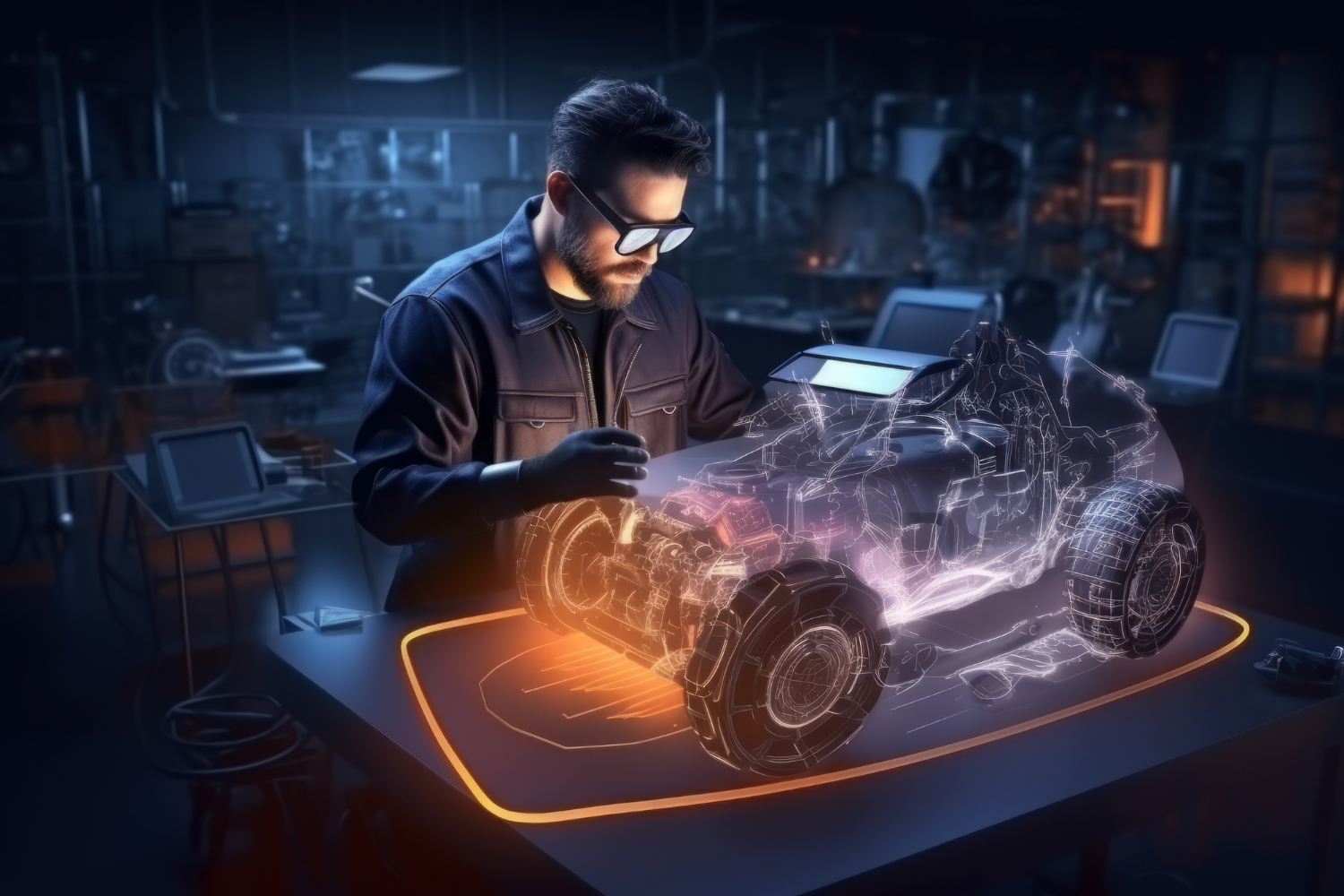
The automotive and mobility landscape is transforming at an unprecedented paceBand artificial intelligence (AI) is at the heart of this evolution. At Automechanika Dubai, one of the region’s most influential trade events for the automotive industry, industry leaders, researchers, and innovators came together to present cutting-edge research highlighting AI’s pivotal role in shaping the future of mobility.
In 2025, Dubai continues to position itself as a global hub for smart transport solutions. Insights shared at Automechanika reflect this commitment, revealing how AI is redefining vehicles, infrastructure, maintenance, customer experience, and the broader mobility ecosystem.
Let’s explore the key research highlights and what they mean for the future of mobility in the UAE and beyond.
AI-Powered Predictive Maintenance Takes Center Stage
One of the most impactful applications of AI in automotive is predictive maintenance using algorithms to monitor vehicle health and forecast failures before they happen.
At Automechanika Dubai:
- Researchers demonstrated how AI models analyze sensor data and performance trends in real time.
- Predictive insights were shown to reduce downtime, lower repair costs, and extend vehicle lifespan.
For fleet operators and logistics companies in the UAE, this means faster turnaround, improved safety, and lower operating costs a critical advantage in a region with high transport demands.
Intelligent Traffic Management and Smart Cities
AI isn’t just inside vehicles it’s powering the roads.
Presentations highlighted:
- AI-driven traffic optimization
- Demand-responsive signal control
- Real-time congestion prediction using citywide data
In a smart city like Dubai, AI enhances mobility by reducing traffic jams, optimizing transit flow, and supporting infrastructure that learns and adapts to urban movement patterns.
Autonomous and Assisted Driving Technologies
Automechanika Dubai showcased research on AI systems designed to support both assisted and autonomous driving.
Highlights included:
- Computer vision systems for object detection and hazard recognition
- Machine learning models for adaptive cruise and lane guidance
- Simulated environments used to train autonomous behavior safely
These advances are accelerating the timeline for safe, reliable autonomous vehicles (AVs) in commercial and consumer segments across the UAE.
AI for Enhanced Customer Experience
Mobility isn’t just about moving from point A to B it’s about the experience.
Research shared at the event examined:
- AI-based personalization in ridesharing and private transport
- Voice-activated controls and natural language interfaces
- AR/VR integration for passenger engagement
In markets like the UAE, where luxury and convenience are prioritized, AI’s role in crafting seamless travel experiences is a key differentiator.
Electrification and AI Integration
Electric vehicles (EVs) are rapidly gaining traction across the Middle East, and AI is accelerating that shift.
Key research points included:
- AI-optimized energy usage and charging schedules
- Smart battery health monitoring
- Grid integration models for EV charging infrastructure
These tools help EV drivers avoid range anxiety, plan efficient routes, and integrate with renewable energy sources making EVs more practical and reliable.
AI in Supply Chain and Aftermarket Services
Automotive supply chain research at Automechanika highlighted how AI enhances aftermarket operations:
- Demand forecasting for spare parts
- Automated inventory replenishment
- AI-powered parts classification and identification
For dealerships and service centers across the UAE, these technologies help reduce wait times and improve service quality.
Safety, Security, and Ethical Considerations
As AI becomes more integrated into vehicles and infrastructure, research also covered:
- Secure AI communication protocols between vehicles and smart infrastructure
- Ethical frameworks for autonomous decision-making
- Data privacy and secure machine learning pipelines
These discussions reflect the industry’s awareness that smart mobility must also be safe, ethical, and compliant with regulations.
Collaboration and Ecosystem Development
A recurring theme at Automechanika was the importance of collaboration between OEMs, startups, government bodies, and research institutions. Dubai’s position as a facilitator of partnerships allows research to move faster from concept to real-world application, especially in sectors like mobility and smart infrastructure.
The research presented at Automechanika Dubai paints a clear picture: AI is not just influencing the future of mobility it is shaping it. From predictive maintenance and smart traffic systems to autonomous driving and electric vehicle support, AI is expanding the possibilities of how people and goods move in the UAE and around the world.
As governments, manufacturers, and tech innovators continue to collaborate, the insights from Automechanika underscore a future that is:
- Smarter
- Safer
- More efficient
- Customer-centric
- Sustainable
For UAE businesses and mobility stakeholders, keeping pace with these AI developments will be essential to remain competitive and relevant in a rapidly evolving global landscape.


