



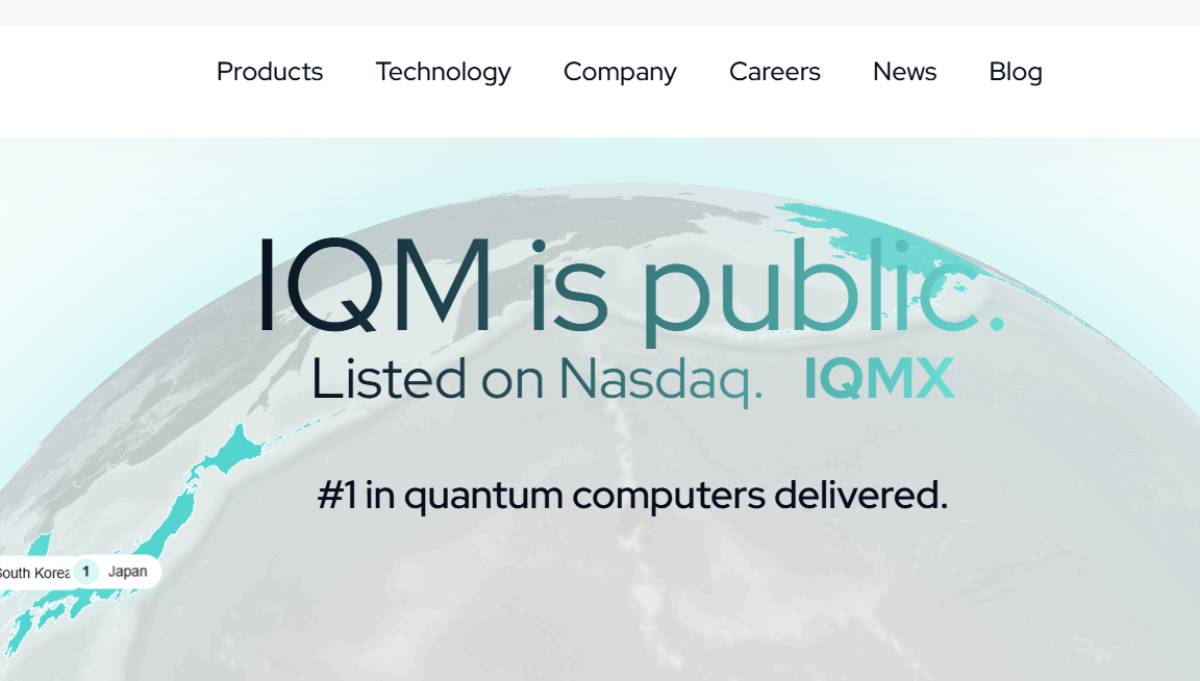
Quantum computing company IQM is pursuing a future where quantum computers operate as integrated components of mainstream supercomputing environments. The approach aims to make quantum technology more accessible for businesses and researchers by enabling hybrid computing models that combine quantum capabilities with traditional high-performance computing infrastructure.
IQM is developing quantum computing systems designed to function as complementary resources within existing supercomputing ecosystems rather than standalone machines. The company’s vision focuses on hybrid architectures where quantum processors work alongside classical computing systems to solve complex problems more efficiently.
This approach could accelerate applications in areas such as materials science, drug discovery, optimization, artificial intelligence, and advanced simulations. By positioning quantum computers as another computational resource, IQM aims to simplify adoption for enterprises and research institutions. The strategy reflects a broader industry shift toward practical quantum applications and integration with established digital infrastructure.
Quantum computing has moved from a largely experimental research field toward an emerging technology sector attracting significant investment from governments, corporations, and academic institutions. Unlike traditional computers, quantum systems use quantum mechanical principles to process certain complex calculations in fundamentally different ways.
However, widespread adoption has remained challenging due to hardware limitations, error correction requirements, scalability issues, and the need for specialized expertise. Industry leaders increasingly believe that hybrid quantum-classical computing will be the most practical path toward commercial adoption, allowing organizations to combine existing supercomputing capabilities with quantum advantages.
As global competition in advanced computing intensifies, countries and technology companies are investing heavily in quantum infrastructure to secure future innovation leadership. IQM’s approach reflects the industry’s transition from building isolated quantum machines toward creating integrated computing ecosystems.
Quantum technology experts believe the future of computing will likely involve collaboration between classical and quantum systems rather than complete replacement of existing infrastructure. Analysts suggest that hybrid computing models could reduce barriers to adoption by allowing organizations to experiment with quantum capabilities while continuing to rely on established supercomputing platforms.
Industry specialists emphasize that practical quantum value will depend on solving specific business and scientific challenges rather than simply increasing hardware performance. Researchers highlight potential applications in areas such as optimization, climate modeling, pharmaceuticals, and advanced engineering.
Experts also note that improving software integration, developer accessibility, and computing interoperability will be essential for accelerating quantum adoption. Companies that successfully bridge quantum technology with existing enterprise infrastructure may gain strategic advantages as the sector matures.
For businesses, integrated quantum computing could create new opportunities to solve complex challenges in research, logistics, finance, and artificial intelligence. Organizations may increasingly explore hybrid computing strategies as quantum technologies become more accessible.
Investors are closely monitoring quantum companies capable of demonstrating practical commercial applications rather than only technological breakthroughs. Policymakers are also prioritizing quantum development as part of broader strategies around advanced computing, national security, and technological competitiveness.
Supporting quantum research, talent development, and infrastructure investment will remain important for countries seeking leadership in the next generation of computing technologies.
IQM’s vision of quantum computers operating alongside supercomputers reflects a growing industry focus on practical adoption and integration. Decision-makers should monitor advances in quantum hardware, software ecosystems, enterprise partnerships, and real-world applications. As quantum technology continues evolving, organizations that prepare for hybrid computing environments may gain early advantages in innovation, research, and digital transformation.
Source: Nordic Tech News
Date: July 2026


