



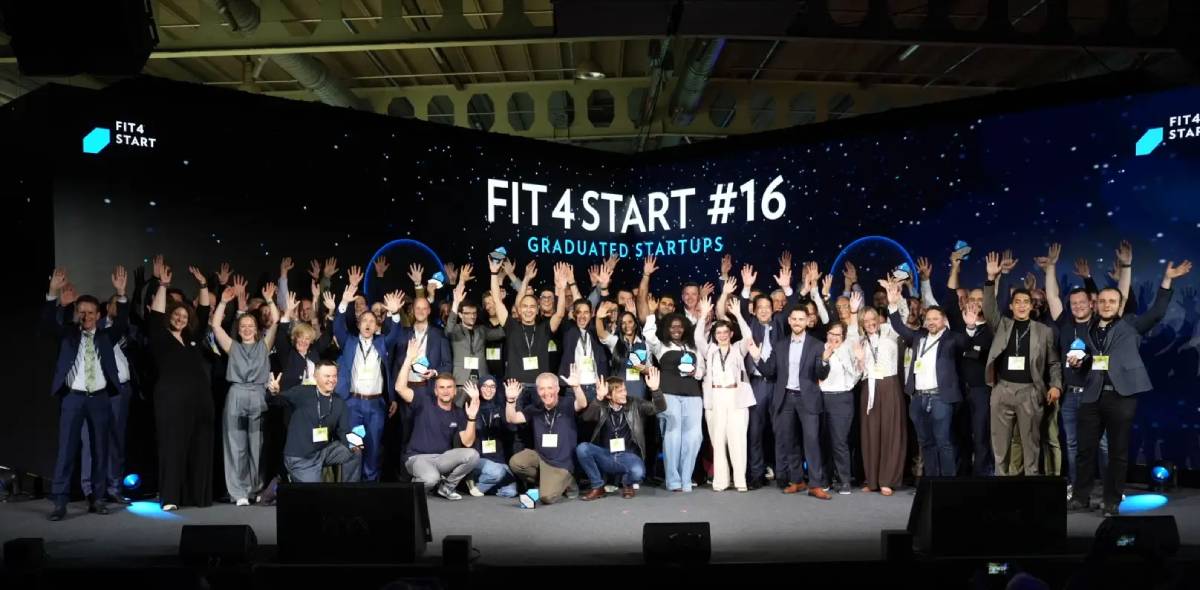
A new cohort of 15 startups has graduated from Luxembourg’s Fit 4 Start accelerator program, marking another milestone in the country’s efforts to foster innovation-driven entrepreneurship. The development highlights Luxembourg’s growing role as a European startup hub and underscores the importance of accelerator programs in supporting emerging technologies and economic diversification.
The 16th edition of the Fit 4 Start accelerator concluded with the graduation of 15 startups representing a range of technology-driven sectors. Throughout the program, participants received mentoring, business development support, networking opportunities, and access to industry expertise aimed at accelerating growth and market readiness.
The initiative is designed to help early-stage companies refine their business models, validate technologies, and prepare for commercial expansion. Graduating startups now enter the next phase of development, where securing customers, partnerships, and investment becomes a primary focus.
The program continues to serve as a key component of Luxembourg’s innovation ecosystem, connecting entrepreneurs with investors, corporations, and public-sector stakeholders. Startup accelerators have become an increasingly important mechanism for fostering innovation and economic competitiveness across global markets. Governments and innovation agencies are investing heavily in entrepreneurship programs to stimulate job creation, attract investment, and accelerate the commercialization of emerging technologies.
The development aligns with a broader trend across Europe where countries are strengthening startup ecosystems to compete in sectors such as artificial intelligence, fintech, cybersecurity, health technology, and sustainability. Accelerator programs help reduce barriers faced by early-stage ventures by providing mentorship, funding opportunities, and access to strategic networks.
Historically, startup success rates have been constrained by limited access to capital and business expertise during critical growth stages. Structured accelerator programs seek to address these challenges by creating environments where entrepreneurs can rapidly validate and scale their innovations.
Luxembourg has increasingly positioned itself as a center for innovation by combining public support, international connectivity, and a business-friendly regulatory environment. Industry analysts view accelerator programs as a critical tool for strengthening national innovation capacity and supporting high-growth entrepreneurship. Experts note that startups participating in structured acceleration initiatives often gain faster access to markets, strategic partnerships, and investment opportunities.
Innovation specialists argue that successful ecosystems depend not only on funding availability but also on mentorship, talent development, and collaboration between startups, corporations, academic institutions, and government stakeholders. Programs such as Fit 4 Start are designed to facilitate these connections while reducing common growth challenges faced by young companies.
Observers also highlight the increasing importance of startup ecosystems in driving technological advancement and economic resilience. As global competition for innovation intensifies, countries capable of nurturing high-potential ventures are more likely to attract investment and create long-term economic value.
The graduation of another cohort demonstrates continued momentum in Luxembourg’s efforts to cultivate entrepreneurship and innovation-led growth. For businesses, the emergence of new startup cohorts creates opportunities for collaboration, technology adoption, and innovation partnerships. Established companies may increasingly engage with startups to access new ideas, accelerate digital transformation, and enhance competitiveness.
For investors, accelerator graduates represent a pipeline of potential investment opportunities across multiple high-growth sectors. Successful startups emerging from structured programs often attract greater investor attention due to their market validation and support networks.
From a policy perspective, the program reinforces the value of public-private collaboration in supporting entrepreneurship. Governments seeking economic diversification and technological leadership may continue expanding support for startup accelerators as part of broader innovation and competitiveness strategies.
The newly graduated startups now face the challenge of scaling operations, attracting customers, and securing long-term funding. Their progress will serve as an important indicator of the effectiveness of accelerator-driven innovation models.
Decision-makers should monitor how these ventures translate early momentum into commercial success. As global competition for innovation intensifies, the ability to convert startup potential into sustainable businesses will remain a critical measure of ecosystem strength.
Source: Startup Luxembourg
Date: June 2026


