



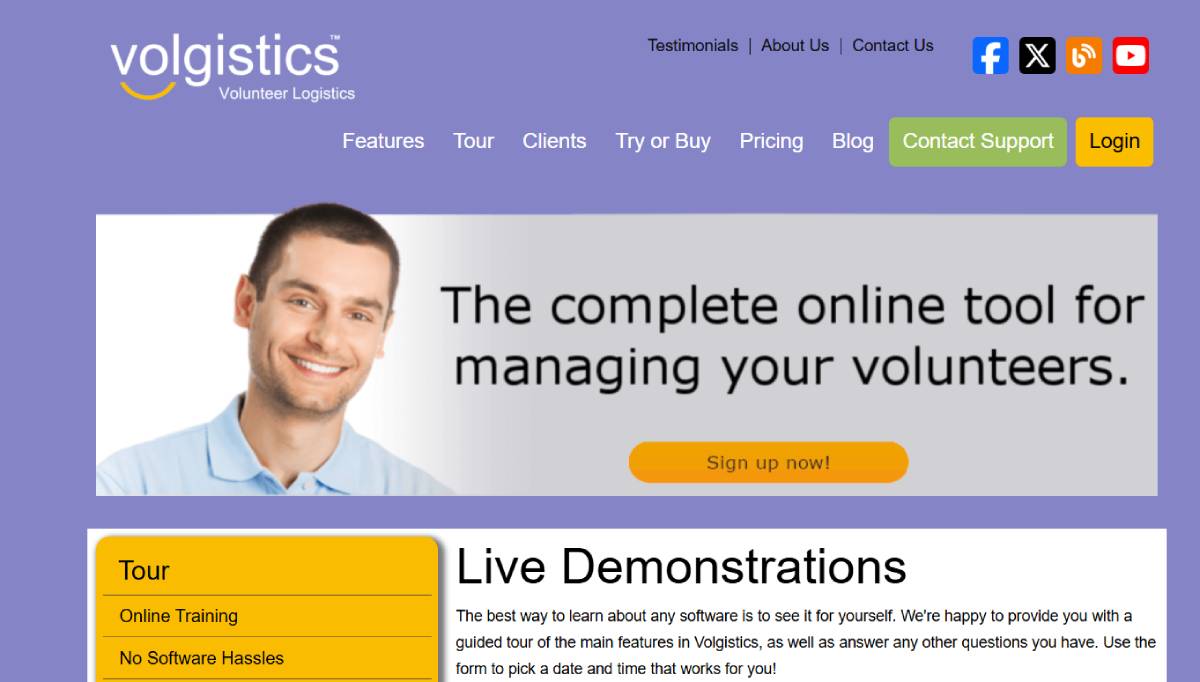
Volgistics is positioning volunteer workforce management as a more structured and technology-driven operational priority for organizations that depend on large volunteer networks. Its software approach brings scheduling, communication, volunteer records, reporting and administrative workflows into a centralized environment, helping nonprofits and community organizations improve coordination while reducing manual workforce-management burdens.
Volgistics provides organizations with tools designed to manage the operational lifecycle of volunteers. Core capabilities include volunteer scheduling, time tracking, recruitment, communication, reporting and centralized record management.
The platform is particularly relevant for organizations coordinating volunteers across multiple programs, locations or departments. By bringing workforce information into a single system, organizations can gain greater visibility into volunteer participation, schedules and administrative requirements.
The broader development reflects growing demand for digital workforce-management platforms beyond traditional employee environments. For volunteer-dependent organizations, technology can help standardize processes, improve accountability and provide managers with more timely information for operational decisions.
The development comes as nonprofit, cultural, healthcare, educational and community organizations face increasing pressure to operate efficiently while managing diverse volunteer populations. Unlike conventional employees, volunteers may have different availability, roles, skill sets and levels of engagement, creating additional complexity for administrators.
Historically, many organizations relied on spreadsheets, email, paper records and manual scheduling to coordinate volunteers. As volunteer programs expand, those approaches can create fragmented information and increase the administrative workload.
Digital volunteer-management systems are addressing this gap by combining scheduling, communication, reporting and recordkeeping. The shift also aligns with the wider transformation of workforce technology, where cloud-based platforms are increasingly replacing disconnected administrative processes.
For executives, the strategic value lies not only in saving administrative time but also in improving visibility across the volunteer workforce and creating more consistent management practices.
Industry perspectives on volunteer-management technology increasingly emphasize the importance of accessibility, automation and centralized information. Organizations need tools that are straightforward enough for volunteers to use while giving administrators sufficient control over schedules, records and reporting.
Volgistics represents this broader movement toward specialized workforce-management technology. Rather than adapting employee-focused systems to volunteer environments, dedicated platforms can address the distinctive requirements of volunteer programs, including flexible scheduling, volunteer availability and participation tracking.
For technology leaders, integration and scalability remain important considerations. Organizations with multiple locations or growing volunteer programs need systems capable of supporting expanding user populations without creating additional administrative complexity.
From a management perspective, better data visibility can also support strategic planning. Leaders can analyze participation patterns, identify staffing gaps and allocate volunteer resources more effectively. This makes volunteer-management software increasingly relevant to organizations seeking to professionalize their workforce operations without compromising the flexibility that volunteer programs require.
For organizations dependent on volunteers, digital management platforms can improve scheduling efficiency, communication and workforce visibility. Managers can spend less time coordinating administrative tasks and more time developing programs and supporting volunteers.
For executives and investors evaluating nonprofit technology, the opportunity extends beyond basic scheduling. Platforms that provide reporting, centralized records and operational insights can contribute to stronger governance and resource allocation.
Volunteers may benefit from clearer schedules, easier communication and more transparent participation processes. Organizations can also strengthen accountability by maintaining consistent records and standardized workflows.
From a policy perspective, digital volunteer management can support better recordkeeping and operational oversight, particularly in sectors where volunteers interact with vulnerable communities or perform regulated activities.
Volunteer-management technology is likely to become increasingly important as organizations seek greater efficiency without reducing volunteer engagement. Future development will likely center on automation, mobile accessibility, analytics, integrations and more personalized communication. Decision-makers should watch how platforms use data to improve volunteer retention, scheduling and resource allocation. The long-term competitive advantage will belong to solutions that combine administrative efficiency with a strong volunteer experience.
Source: Crozdesk
Date: August 10, 2026


