
Memory Shortage Pressures Microsoft Surface Prices

A renewed shortage in memory components is driving price increases across Microsoft’s Surface product lineup. The impact is linked to constrained supply of DRAM and NAND flash memory.

April 15, 2026
|
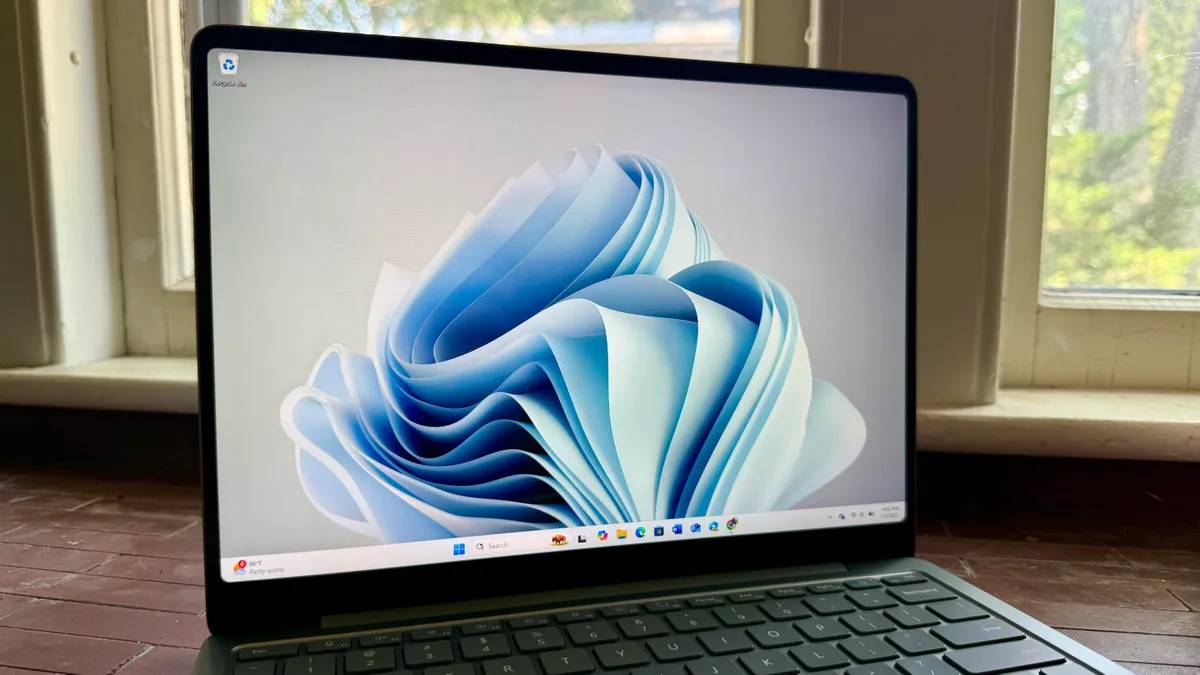
Image Source: CNET

A major development in the global hardware industry is unfolding as rising memory chip shortages push up prices for Microsoft Surface devices. The trend signals renewed supply chain stress across the PC ecosystem, with implications for manufacturers, consumers, and enterprise procurement strategies amid tightening semiconductor availability.

A renewed shortage in memory components is driving price increases across Microsoft’s Surface product lineup. The impact is linked to constrained supply of DRAM and NAND flash memory, critical components in modern computing devices.

Microsoft has reportedly adjusted pricing for select Surface models in response to rising input costs. The situation reflects broader pressures across the personal computing industry, where manufacturers are facing increased production expenses.

The timing is significant as demand for high-performance devices continues to grow, particularly in enterprise and AI-enabled computing environments, further straining already limited supply chains.

The development aligns with a broader global trend where semiconductor supply chains remain highly sensitive to demand fluctuations in data centers, artificial intelligence infrastructure, and consumer electronics. Memory chips, in particular, have become a critical bottleneck due to rising consumption from AI workloads and cloud computing expansion.

Historically, the semiconductor industry has experienced cyclical shortages, with previous disruptions during the pandemic highlighting vulnerabilities in global supply networks. Companies such as Samsung and SK Hynix dominate memory production, making supply conditions highly concentrated.

The current shortage is intensified by increased demand for AI training hardware and high-bandwidth memory systems used in advanced computing. As a result, downstream device manufacturers, including Microsoft, are exposed to cost volatility that directly impacts pricing strategies and product affordability.

Industry analysts suggest that the memory shortage reflects a structural shift in semiconductor demand, driven primarily by AI infrastructure expansion rather than traditional consumer electronics cycles. Experts note that hyperscale data centers are absorbing a growing share of global memory production, tightening supply for PC manufacturers.

Technology market observers emphasize that pricing adjustments by companies like Microsoft are often early indicators of broader cost inflation across the hardware ecosystem. Analysts also highlight that memory pricing cycles tend to be volatile, with potential for prolonged imbalance if AI-driven demand continues to accelerate.

Supply chain specialists warn that manufacturers may need to diversify sourcing strategies or redesign products to optimize memory usage. However, they caution that near-term relief is unlikely given long lead times for semiconductor capacity expansion.

For global executives, the memory shortage signals renewed cost pressure across IT procurement and device manufacturing strategies. Enterprises relying on large-scale hardware deployments may need to reassess budgeting and upgrade cycles.

Investors are likely to monitor semiconductor suppliers closely, as pricing strength in memory chips could boost margins for producers but compress downstream device makers. Meanwhile, policymakers may face renewed attention on supply chain resilience and strategic semiconductor independence. Consumers could experience higher prices for laptops and productivity devices, potentially slowing upgrade cycles in price-sensitive markets.

Looking ahead, the trajectory of memory pricing will depend on the balance between AI-driven demand and new production capacity from leading semiconductor manufacturers. Decision-makers should watch for supply expansion timelines and enterprise AI adoption rates.

If current trends persist, cost pressures may continue to ripple across the PC and device ecosystem, reinforcing the strategic importance of semiconductor supply chain resilience.

Source: CNET
Date: April 2026

  • Featured tools
Beautiful AI
Free

Beautiful AI is an AI-powered presentation platform that automates slide design and formatting, enabling users to create polished, on-brand presentations quickly.

#
Presentation
Learn more
Symphony Ayasdi AI
Free

SymphonyAI Sensa is an AI-powered surveillance and financial crime detection platform that surfaces hidden risk behavior through explainable, AI-driven analytics.

#
Finance
Learn more

Learn more about future of AI

Join 80,000+ Ai enthusiast getting weekly updates on exciting AI tools.
Thank you! Your submission has been received!
Oops! Something went wrong while submitting the form.

Memory Shortage Pressures Microsoft Surface Prices

April 15, 2026

A renewed shortage in memory components is driving price increases across Microsoft’s Surface product lineup. The impact is linked to constrained supply of DRAM and NAND flash memory.

Image Source: CNET

A major development in the global hardware industry is unfolding as rising memory chip shortages push up prices for Microsoft Surface devices. The trend signals renewed supply chain stress across the PC ecosystem, with implications for manufacturers, consumers, and enterprise procurement strategies amid tightening semiconductor availability.

A renewed shortage in memory components is driving price increases across Microsoft’s Surface product lineup. The impact is linked to constrained supply of DRAM and NAND flash memory, critical components in modern computing devices.

Microsoft has reportedly adjusted pricing for select Surface models in response to rising input costs. The situation reflects broader pressures across the personal computing industry, where manufacturers are facing increased production expenses.

The timing is significant as demand for high-performance devices continues to grow, particularly in enterprise and AI-enabled computing environments, further straining already limited supply chains.

The development aligns with a broader global trend where semiconductor supply chains remain highly sensitive to demand fluctuations in data centers, artificial intelligence infrastructure, and consumer electronics. Memory chips, in particular, have become a critical bottleneck due to rising consumption from AI workloads and cloud computing expansion.

Historically, the semiconductor industry has experienced cyclical shortages, with previous disruptions during the pandemic highlighting vulnerabilities in global supply networks. Companies such as Samsung and SK Hynix dominate memory production, making supply conditions highly concentrated.

The current shortage is intensified by increased demand for AI training hardware and high-bandwidth memory systems used in advanced computing. As a result, downstream device manufacturers, including Microsoft, are exposed to cost volatility that directly impacts pricing strategies and product affordability.

Industry analysts suggest that the memory shortage reflects a structural shift in semiconductor demand, driven primarily by AI infrastructure expansion rather than traditional consumer electronics cycles. Experts note that hyperscale data centers are absorbing a growing share of global memory production, tightening supply for PC manufacturers.

Technology market observers emphasize that pricing adjustments by companies like Microsoft are often early indicators of broader cost inflation across the hardware ecosystem. Analysts also highlight that memory pricing cycles tend to be volatile, with potential for prolonged imbalance if AI-driven demand continues to accelerate.

Supply chain specialists warn that manufacturers may need to diversify sourcing strategies or redesign products to optimize memory usage. However, they caution that near-term relief is unlikely given long lead times for semiconductor capacity expansion.

For global executives, the memory shortage signals renewed cost pressure across IT procurement and device manufacturing strategies. Enterprises relying on large-scale hardware deployments may need to reassess budgeting and upgrade cycles.

Investors are likely to monitor semiconductor suppliers closely, as pricing strength in memory chips could boost margins for producers but compress downstream device makers. Meanwhile, policymakers may face renewed attention on supply chain resilience and strategic semiconductor independence. Consumers could experience higher prices for laptops and productivity devices, potentially slowing upgrade cycles in price-sensitive markets.

Looking ahead, the trajectory of memory pricing will depend on the balance between AI-driven demand and new production capacity from leading semiconductor manufacturers. Decision-makers should watch for supply expansion timelines and enterprise AI adoption rates.

If current trends persist, cost pressures may continue to ripple across the PC and device ecosystem, reinforcing the strategic importance of semiconductor supply chain resilience.

Source: CNET
Date: April 2026

Promote Your Tool

Copy Embed Code

Similar Blogs

April 15, 2026
|

OpenAI Leads Next Phase of AI Transformation

OpenAI has emerged as a central player in the development of advanced generative AI systems, powering applications across productivity, software development, research, and enterprise automation.
Read more
April 15, 2026
|

Microsoft Positions Copilot as Core AI Companion

Microsoft Copilot is being positioned as an AI-powered assistant designed to support users across productivity, communication, and enterprise workflows. Integrated across Microsoft’s ecosystem.
Read more
April 15, 2026
|

Canva Launches All-in-One AI Design Assistant

Canva has introduced an AI assistant integrated directly into its design platform, enabling users to generate, edit, and optimize visual content through natural language prompts.
Read more
April 15, 2026
|

Apple iPad A16 Leads 2026 Tablet Market

The Apple iPad A16 remains one of the top-rated tablets in 2026, driven by strong performance, ecosystem integration, and consumer satisfaction. The device continues to attract both individual buyers and enterprise users seeking portable productivity solutions.
Read more
April 15, 2026
|

$299 Smart Glasses Signal New AR Era

The new smart glasses deliver high-dynamic-range visuals designed to simulate a large-screen viewing experience in a compact wearable form factor.
Read more
April 15, 2026
|

Sony Expands Gaming Audio Line with InZone H6 Air

The Sony InZone H6 Air headset has been reviewed as a strong addition to the company’s gaming ecosystem, offering high-quality sound performance and lightweight comfort designed for extended gaming sessions.
Read more