
Microsoft Signals Strategic AI Independence Shift

Microsoft’s multibillion-dollar partnership with OpenAI remains one of the most influential alliances in the technology sector.

June 1, 2026
|
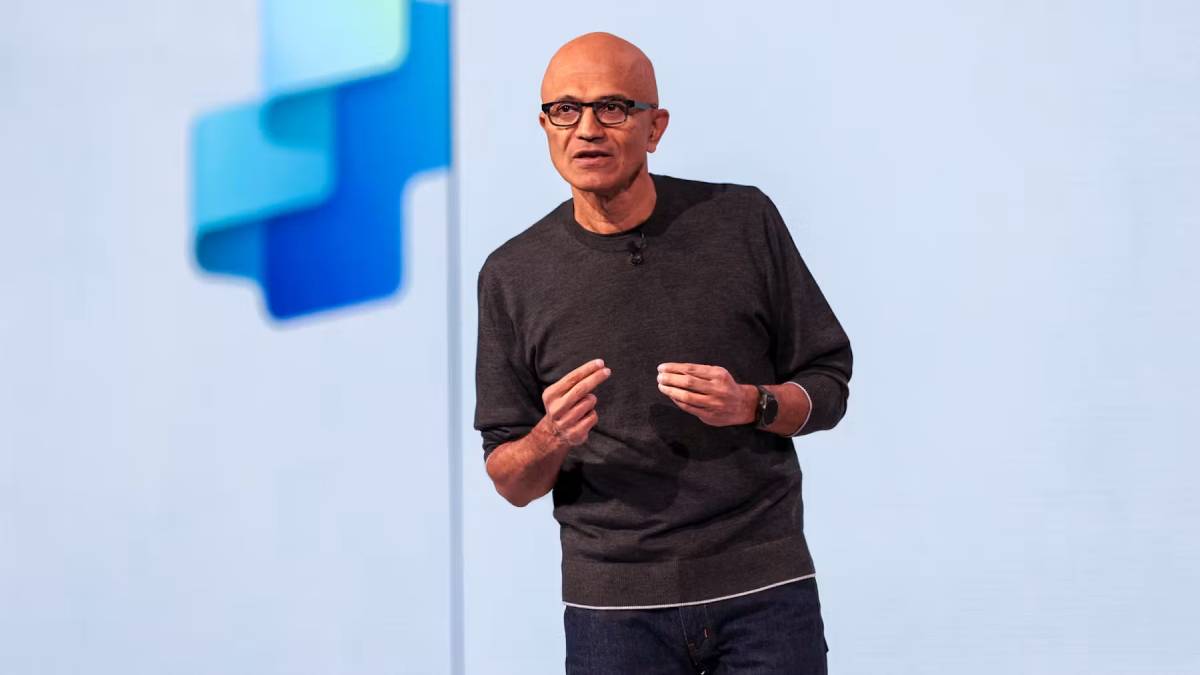
Image Source:  The Information

A significant shift is emerging in the global artificial intelligence landscape as Microsoft increasingly positions itself for greater independence from OpenAI, the startup it helped transform into an AI powerhouse. The move reflects the growing strategic importance of owning core AI technologies and infrastructure, with implications for cloud computing, enterprise software, investor sentiment, and the future balance of power across the technology industry.

Microsoft’s multibillion-dollar partnership with OpenAI remains one of the most influential alliances in the technology sector. However, recent developments suggest the company is reducing its reliance on OpenAI by expanding internal AI capabilities and investing in alternative model development.

The company has accelerated efforts to build proprietary AI models, strengthen its in-house research teams, and diversify partnerships across the AI ecosystem. These moves come as demand for generative AI services continues to surge across enterprise markets.

At the same time, Microsoft remains a major investor in OpenAI while integrating AI capabilities across products including Microsoft 365, Azure, GitHub, Windows, and enterprise productivity platforms. The evolving relationship highlights a broader strategic recalibration rather than a complete separation.

The development aligns with a broader trend across global technology markets where major firms are seeking greater control over foundational AI assets. Since the launch of ChatGPT in late 2022, generative AI has become one of the most competitive sectors in the global economy, driving hundreds of billions of dollars in investment.

Microsoft initially gained a significant advantage through its partnership with OpenAI, securing access to leading AI models while positioning Azure as a critical cloud provider for AI workloads. The strategy helped accelerate adoption of AI-powered enterprise solutions and strengthened Microsoft's competitive position against rivals including Google, Amazon, and Meta.

However, as AI becomes central to long-term corporate strategy, dependence on a single external model provider introduces operational, financial, and strategic risks. Similar dynamics are emerging across the industry as technology companies seek to balance partnerships with internal innovation. The trend reflects a maturing AI market where ownership of intellectual property, computing infrastructure, and model capabilities is becoming increasingly valuable.

Industry analysts view Microsoft’s evolving approach as a logical next step in the maturation of the AI economy. While partnerships remain essential for innovation, long-term competitiveness increasingly depends on controlling key technological assets rather than relying exclusively on external providers.

Technology strategists argue that Microsoft's investments in proprietary AI research provide leverage in negotiations, improve resilience against market disruptions, and reduce dependence on any single technology partner. Analysts also note that maintaining optionality has become a core principle among major AI players as competition intensifies.

From a market perspective, investors generally favor diversified AI strategies because they reduce concentration risk while creating multiple paths for growth. Industry observers suggest Microsoft is attempting to balance two objectives simultaneously: maximizing the value of its OpenAI relationship while ensuring it can compete independently if market dynamics shift.

The development also reflects broader industry concerns about supply chains, computing capacity, intellectual property ownership, and access to advanced AI models. As competition intensifies, strategic flexibility is becoming as important as technological leadership.

For global executives, Microsoft's push toward greater AI independence could reshape competitive dynamics across cloud computing, enterprise software, and digital transformation initiatives. Businesses relying on AI services may benefit from increased competition among model providers, potentially leading to lower costs, greater innovation, and broader product choices.

Investors are likely to view the shift as evidence that AI leadership will depend not only on breakthrough models but also on ecosystem control, infrastructure ownership, and strategic partnerships. Companies across sectors may need to reassess their own AI dependency risks and diversification strategies.

From a policy perspective, regulators will continue monitoring how major technology firms consolidate influence over AI infrastructure, cloud services, and foundational models. Questions surrounding competition, market concentration, and access to advanced AI capabilities are expected to remain central to regulatory discussions worldwide.

The next phase of the AI race will likely focus on ownership, independence, and ecosystem control rather than model performance alone. Decision-makers should watch for new Microsoft AI model launches, infrastructure investments, and evolving partnership terms across the industry.

The key uncertainty remains whether future AI value will be captured primarily by model developers, cloud providers, or platform operators. Microsoft’s strategy suggests that industry leaders increasingly believe the answer may be all three.

Source: The Information
Date:
June 1, 2026

  • Featured tools
Outplay AI
Free

Outplay AI is a dynamic sales engagement platform combining AI-powered outreach, multi-channel automation, and performance tracking to help teams optimize conversion and pipeline generation.

#
Sales
Learn more
Twistly AI
Paid

Twistly AI is a PowerPoint add-in that allows users to generate full slide decks, improve existing presentations, and convert various content types into polished slides directly within Microsoft PowerPoint.It streamlines presentation creation using AI-powered text analysis, image generation and content conversion.

#
Presentation
Learn more

Learn more about future of AI

Join 80,000+ Ai enthusiast getting weekly updates on exciting AI tools.
Thank you! Your submission has been received!
Oops! Something went wrong while submitting the form.

Microsoft Signals Strategic AI Independence Shift

June 1, 2026

Microsoft’s multibillion-dollar partnership with OpenAI remains one of the most influential alliances in the technology sector.

Image Source:  The Information

A significant shift is emerging in the global artificial intelligence landscape as Microsoft increasingly positions itself for greater independence from OpenAI, the startup it helped transform into an AI powerhouse. The move reflects the growing strategic importance of owning core AI technologies and infrastructure, with implications for cloud computing, enterprise software, investor sentiment, and the future balance of power across the technology industry.

Microsoft’s multibillion-dollar partnership with OpenAI remains one of the most influential alliances in the technology sector. However, recent developments suggest the company is reducing its reliance on OpenAI by expanding internal AI capabilities and investing in alternative model development.

The company has accelerated efforts to build proprietary AI models, strengthen its in-house research teams, and diversify partnerships across the AI ecosystem. These moves come as demand for generative AI services continues to surge across enterprise markets.

At the same time, Microsoft remains a major investor in OpenAI while integrating AI capabilities across products including Microsoft 365, Azure, GitHub, Windows, and enterprise productivity platforms. The evolving relationship highlights a broader strategic recalibration rather than a complete separation.

The development aligns with a broader trend across global technology markets where major firms are seeking greater control over foundational AI assets. Since the launch of ChatGPT in late 2022, generative AI has become one of the most competitive sectors in the global economy, driving hundreds of billions of dollars in investment.

Microsoft initially gained a significant advantage through its partnership with OpenAI, securing access to leading AI models while positioning Azure as a critical cloud provider for AI workloads. The strategy helped accelerate adoption of AI-powered enterprise solutions and strengthened Microsoft's competitive position against rivals including Google, Amazon, and Meta.

However, as AI becomes central to long-term corporate strategy, dependence on a single external model provider introduces operational, financial, and strategic risks. Similar dynamics are emerging across the industry as technology companies seek to balance partnerships with internal innovation. The trend reflects a maturing AI market where ownership of intellectual property, computing infrastructure, and model capabilities is becoming increasingly valuable.

Industry analysts view Microsoft’s evolving approach as a logical next step in the maturation of the AI economy. While partnerships remain essential for innovation, long-term competitiveness increasingly depends on controlling key technological assets rather than relying exclusively on external providers.

Technology strategists argue that Microsoft's investments in proprietary AI research provide leverage in negotiations, improve resilience against market disruptions, and reduce dependence on any single technology partner. Analysts also note that maintaining optionality has become a core principle among major AI players as competition intensifies.

From a market perspective, investors generally favor diversified AI strategies because they reduce concentration risk while creating multiple paths for growth. Industry observers suggest Microsoft is attempting to balance two objectives simultaneously: maximizing the value of its OpenAI relationship while ensuring it can compete independently if market dynamics shift.

The development also reflects broader industry concerns about supply chains, computing capacity, intellectual property ownership, and access to advanced AI models. As competition intensifies, strategic flexibility is becoming as important as technological leadership.

For global executives, Microsoft's push toward greater AI independence could reshape competitive dynamics across cloud computing, enterprise software, and digital transformation initiatives. Businesses relying on AI services may benefit from increased competition among model providers, potentially leading to lower costs, greater innovation, and broader product choices.

Investors are likely to view the shift as evidence that AI leadership will depend not only on breakthrough models but also on ecosystem control, infrastructure ownership, and strategic partnerships. Companies across sectors may need to reassess their own AI dependency risks and diversification strategies.

From a policy perspective, regulators will continue monitoring how major technology firms consolidate influence over AI infrastructure, cloud services, and foundational models. Questions surrounding competition, market concentration, and access to advanced AI capabilities are expected to remain central to regulatory discussions worldwide.

The next phase of the AI race will likely focus on ownership, independence, and ecosystem control rather than model performance alone. Decision-makers should watch for new Microsoft AI model launches, infrastructure investments, and evolving partnership terms across the industry.

The key uncertainty remains whether future AI value will be captured primarily by model developers, cloud providers, or platform operators. Microsoft’s strategy suggests that industry leaders increasingly believe the answer may be all three.

Source: The Information
Date:
June 1, 2026

Promote Your Tool

Copy Embed Code

Similar Blogs

June 16, 2026
|

Best Revenue & Sales Enablement Consulting Services in USA

Revenue and sales enablement consulting firms play a crucial role in helping organizations build scalable growth engines. Whether the goal is improving sales execution, implementing revenue operations, optimizing technology platforms.
Read more
June 16, 2026
|

Best Sales Consulting Services in USA

The best sales consulting firms do more than improve sales performance they help organizations build scalable revenue engines that support long-term growth.
Read more
June 16, 2026
|

Best CRM Consulting Services in USA

A successful CRM implementation requires more than technology it requires the right strategy, processes, and expertise. The best CRM consulting firms help organizations align customer relationship management with broader business objectives.
Read more
June 16, 2026
|

Best Pricing Strategy Consulting Services in USA

Pricing strategy remains one of the highest-impact growth levers available to modern businesses. Whether you're launching a new product, optimizing an existing pricing structure.
Read more
June 16, 2026
|

Best GTM Consulting Services in USA

Go-to-market execution has become one of the most important drivers of business success. Organizations that effectively align product strategy, marketing, sales, customer success.
Read more
June 16, 2026
|

Best Revenue Management Consulting Services in USA

Revenue management has become a critical discipline for organizations seeking sustainable growth in increasingly competitive markets. Companies that effectively align pricing, sales, marketing, operations.
Read more