



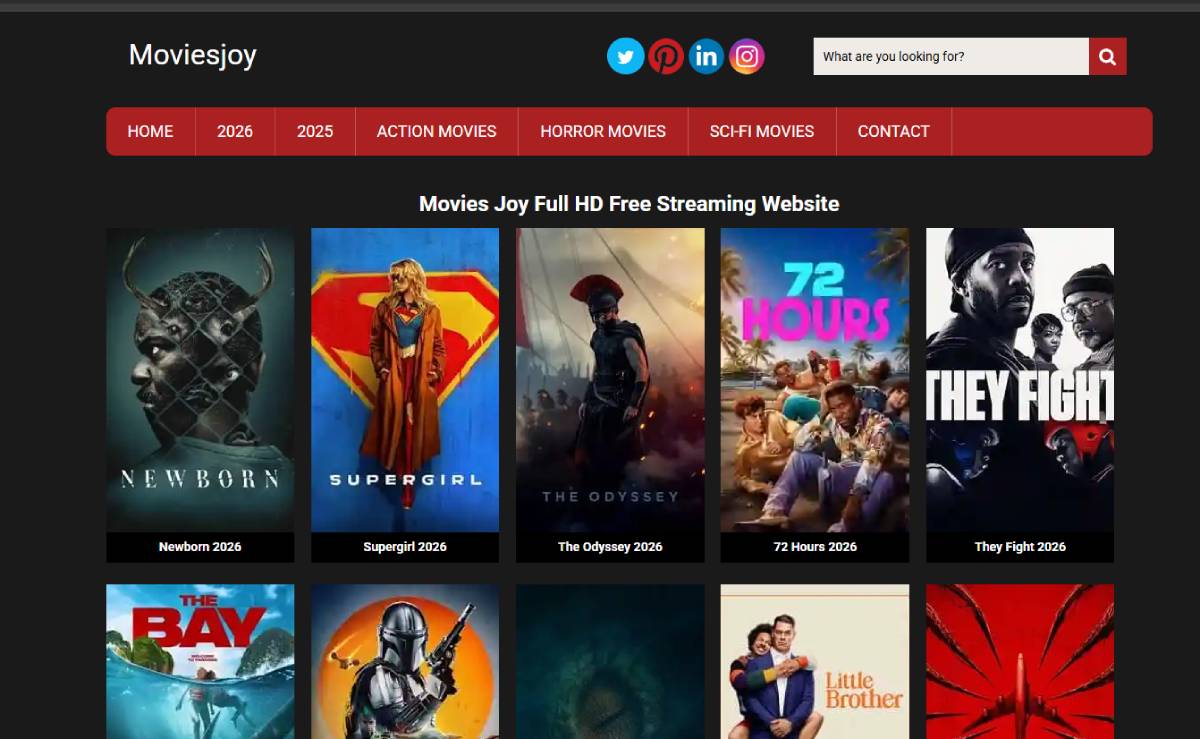
The global entertainment sector continues to evolve as consumers increasingly favor digital streaming over traditional broadcast and physical media. This trend highlights rising demand for accessible online viewing experiences while reinforcing the industry's focus on licensed content distribution, intellectual property protection, and sustainable digital business models.
The continued expansion of digital entertainment platforms reflects changing consumer viewing habits and accelerating investment in streaming technologies. Audiences increasingly expect instant access to movies and television content across multiple devices, encouraging media companies to enhance cloud-based delivery, recommendation systems, and personalized viewing experiences.
Key stakeholders include streaming service providers, film studios, broadcasters, telecommunications companies, cloud infrastructure vendors, advertisers, regulators, and consumers. At the same time, rights holders continue strengthening copyright enforcement and licensing agreements to protect intellectual property while expanding legitimate digital distribution channels that support long-term industry growth and content monetization.
The global media industry has experienced a significant transformation over the past decade as streaming platforms have become the dominant method of content consumption. Consumers increasingly value convenience, mobility, and on-demand access, prompting entertainment companies to invest heavily in digital infrastructure and exclusive programming.
This development aligns with a broader trend across international markets where cloud computing, artificial intelligence, and data analytics are reshaping media distribution. Personalized recommendations, multilingual content libraries, and cross-platform accessibility have become competitive differentiators for streaming providers.
Meanwhile, governments and industry organizations continue strengthening copyright protection and digital governance frameworks to combat unauthorized content distribution. These measures aim to support creative industries, protect intellectual property, and encourage continued investment in original content production and digital innovation.
Industry analysts believe the long-term success of digital entertainment depends on balancing consumer accessibility with strong intellectual property protection. Licensed distribution models provide predictable revenue streams that enable continued investment in premium programming and technological innovation.
Technology experts emphasize that artificial intelligence is increasingly improving content discovery, personalization, network optimization, and customer engagement across streaming ecosystems. These capabilities enhance user satisfaction while increasing operational efficiency for platform operators.
Media policy specialists also highlight the growing importance of international cooperation on copyright enforcement and cross-border licensing. As entertainment becomes increasingly global, regulatory consistency and industry collaboration will remain essential for supporting sustainable digital markets while protecting creators and investors alike.
For businesses, continued growth in digital entertainment creates opportunities across cloud services, content production, advertising technology, cybersecurity, payment platforms, and telecommunications infrastructure. Companies investing in licensed digital ecosystems are better positioned to strengthen consumer trust and generate recurring subscription revenues.
Investors continue monitoring streaming platforms, media technology firms, and digital infrastructure providers as entertainment consumption shifts further online. Policymakers are expected to strengthen digital copyright enforcement, consumer protection standards, and international licensing frameworks.
For executives, integrating compliance, technology innovation, and customer-centric digital experiences will remain critical competitive priorities. The streaming economy is expected to continue expanding through advances in artificial intelligence, cloud-native content delivery, and international licensing partnerships. Decision-makers should monitor evolving copyright regulations, digital infrastructure investments, and changing consumer behavior. Organizations that successfully combine technological innovation with responsible intellectual property governance will be well positioned to lead the next generation of global digital entertainment.
Source: AlternativeTo
Date: July 31, 2026


