
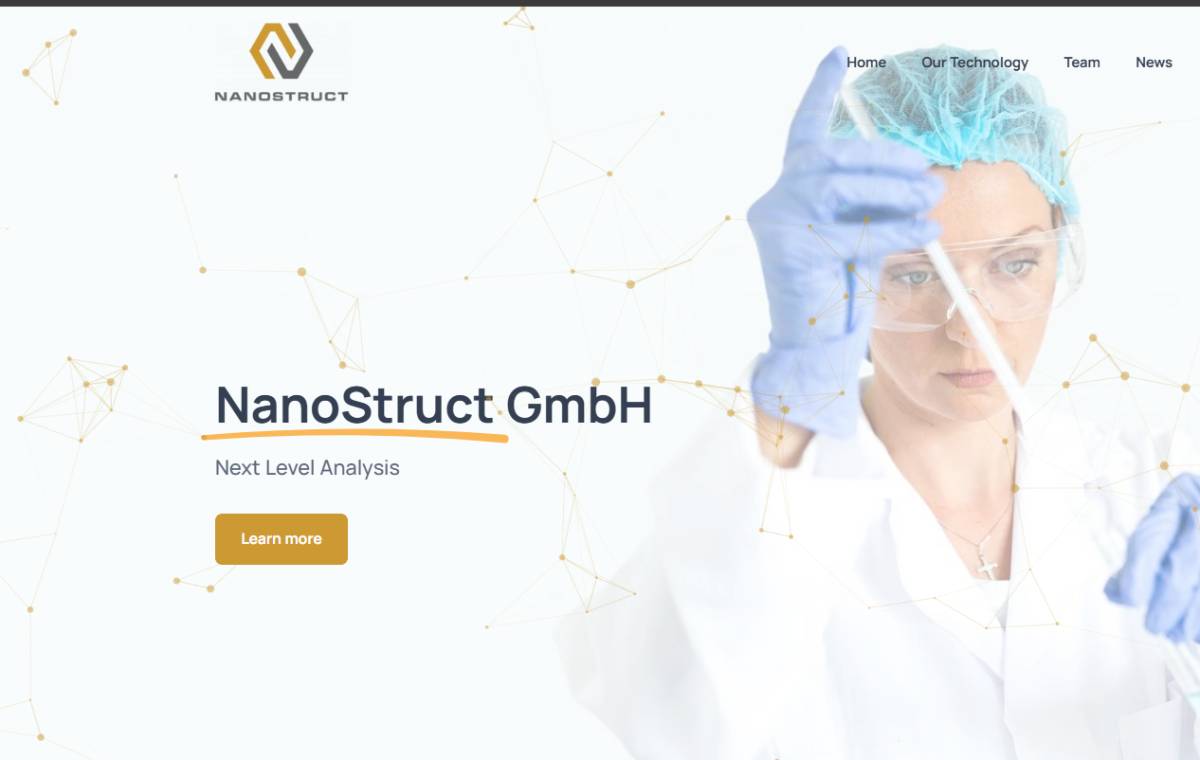
NanoStruct Revolutionizes Food Safety Testing

NanoStruct is developing advanced testing solutions designed to help food factories identify harmful pathogens more quickly than conventional laboratory methods.

July 9, 2026
|

A major innovation is emerging in food safety as NanoStruct aims to reduce the time required for pathogen detection in food manufacturing. The company’s technology seeks to replace traditional testing processes that can take days, offering producers faster insights, improved safety controls, and greater operational efficiency across global food supply chains.

NanoStruct is developing advanced testing solutions designed to help food factories identify harmful pathogens more quickly than conventional laboratory methods. The technology focuses on accelerating detection processes, allowing manufacturers to respond faster to contamination risks.

The development targets food producers, quality control teams, regulators, and consumers who depend on safer supply chains. Faster testing could help companies reduce production delays, limit recalls, and improve compliance with increasingly strict food safety standards.

The company’s approach reflects growing investment in industrial biotechnology and rapid diagnostics, as food manufacturers seek smarter tools to manage risks in complex global supply networks.

The development aligns with a broader global trend where food industries are adopting advanced technologies to improve safety, transparency, and efficiency. Traditional pathogen testing methods often require samples to be transported to laboratories and analysed over extended periods, creating delays in decision-making.

As international food supply chains become more complex, companies face increasing pressure to identify contamination risks quickly. Major food recalls can create significant financial losses, damage brand reputation, and disrupt consumer confidence.

Advances in biotechnology, nanotechnology, and automated diagnostics are opening new opportunities to modernise quality control systems. Companies developing faster testing platforms are positioned to address a critical challenge for the food sector: maintaining safety standards while meeting rising demand for faster production cycles.

Industry experts suggest that rapid pathogen detection could become a key competitive advantage for food manufacturers. Analysts note that companies capable of identifying contamination earlier may reduce waste, improve operational resilience, and strengthen consumer trust.

Food safety specialists have increasingly highlighted the need for technologies that provide real-time or near-real-time monitoring across production environments. Faster diagnostics could complement existing regulatory processes while helping manufacturers respond more effectively to potential threats.

Investors are also showing greater interest in technologies that combine biotechnology with industrial applications. However, experts emphasise that widespread adoption will depend on accuracy, scalability, regulatory approval, and integration into existing factory workflows.

NanoStruct’s approach reflects a broader movement toward smarter, data-driven food production systems designed for a more connected global economy. For food manufacturers, NanoStruct’s technology could transform quality assurance operations by reducing testing delays and enabling faster responses to contamination risks. Companies may benefit from improved efficiency, lower recall exposure, and stronger supply chain confidence.

Investors may view rapid diagnostics as an attractive opportunity within the growing food technology sector. Policymakers and regulators could also explore how advanced testing solutions support stronger food safety frameworks.

For executives, the development highlights a wider industry shift: food production is becoming increasingly dependent on technology-driven monitoring systems. Businesses that adopt faster, more accurate safety tools may gain operational advantages in competitive global markets.

NanoStruct’s vision reflects the future direction of food safety, where speed, automation, and precision become essential industry requirements. The company’s progress will depend on commercial adoption, regulatory acceptance, and the ability to scale its technology across manufacturing environments. As food supply chains face increasing complexity, rapid testing solutions could become a cornerstone of safer and more resilient production systems.

Source: Nordic Tech News
Date: July 2026

  • Featured tools
Surfer AI
Free

Surfer AI is an AI-powered content creation assistant built into the Surfer SEO platform, designed to generate SEO-optimized articles from prompts, leveraging data from search results to inform tone, structure, and relevance.

#
SEO
Learn more
Twistly AI
Paid

Twistly AI is a PowerPoint add-in that allows users to generate full slide decks, improve existing presentations, and convert various content types into polished slides directly within Microsoft PowerPoint.It streamlines presentation creation using AI-powered text analysis, image generation and content conversion.

#
Presentation
Learn more

Learn more about future of AI

Join 80,000+ Ai enthusiast getting weekly updates on exciting AI tools.
Thank you! Your submission has been received!
Oops! Something went wrong while submitting the form.

NanoStruct Revolutionizes Food Safety Testing

July 9, 2026

NanoStruct is developing advanced testing solutions designed to help food factories identify harmful pathogens more quickly than conventional laboratory methods.

A major innovation is emerging in food safety as NanoStruct aims to reduce the time required for pathogen detection in food manufacturing. The company’s technology seeks to replace traditional testing processes that can take days, offering producers faster insights, improved safety controls, and greater operational efficiency across global food supply chains.

NanoStruct is developing advanced testing solutions designed to help food factories identify harmful pathogens more quickly than conventional laboratory methods. The technology focuses on accelerating detection processes, allowing manufacturers to respond faster to contamination risks.

The development targets food producers, quality control teams, regulators, and consumers who depend on safer supply chains. Faster testing could help companies reduce production delays, limit recalls, and improve compliance with increasingly strict food safety standards.

The company’s approach reflects growing investment in industrial biotechnology and rapid diagnostics, as food manufacturers seek smarter tools to manage risks in complex global supply networks.

The development aligns with a broader global trend where food industries are adopting advanced technologies to improve safety, transparency, and efficiency. Traditional pathogen testing methods often require samples to be transported to laboratories and analysed over extended periods, creating delays in decision-making.

As international food supply chains become more complex, companies face increasing pressure to identify contamination risks quickly. Major food recalls can create significant financial losses, damage brand reputation, and disrupt consumer confidence.

Advances in biotechnology, nanotechnology, and automated diagnostics are opening new opportunities to modernise quality control systems. Companies developing faster testing platforms are positioned to address a critical challenge for the food sector: maintaining safety standards while meeting rising demand for faster production cycles.

Industry experts suggest that rapid pathogen detection could become a key competitive advantage for food manufacturers. Analysts note that companies capable of identifying contamination earlier may reduce waste, improve operational resilience, and strengthen consumer trust.

Food safety specialists have increasingly highlighted the need for technologies that provide real-time or near-real-time monitoring across production environments. Faster diagnostics could complement existing regulatory processes while helping manufacturers respond more effectively to potential threats.

Investors are also showing greater interest in technologies that combine biotechnology with industrial applications. However, experts emphasise that widespread adoption will depend on accuracy, scalability, regulatory approval, and integration into existing factory workflows.

NanoStruct’s approach reflects a broader movement toward smarter, data-driven food production systems designed for a more connected global economy. For food manufacturers, NanoStruct’s technology could transform quality assurance operations by reducing testing delays and enabling faster responses to contamination risks. Companies may benefit from improved efficiency, lower recall exposure, and stronger supply chain confidence.

Investors may view rapid diagnostics as an attractive opportunity within the growing food technology sector. Policymakers and regulators could also explore how advanced testing solutions support stronger food safety frameworks.

For executives, the development highlights a wider industry shift: food production is becoming increasingly dependent on technology-driven monitoring systems. Businesses that adopt faster, more accurate safety tools may gain operational advantages in competitive global markets.

NanoStruct’s vision reflects the future direction of food safety, where speed, automation, and precision become essential industry requirements. The company’s progress will depend on commercial adoption, regulatory acceptance, and the ability to scale its technology across manufacturing environments. As food supply chains face increasing complexity, rapid testing solutions could become a cornerstone of safer and more resilient production systems.

Source: Nordic Tech News
Date: July 2026

Promote Your Tool

Copy Embed Code

Similar Blogs

July 9, 2026
|

Swiss Investors Drive Corporate Accountability

Swiss shareholders are becoming increasingly assertive at annual general meetings, using their voting power to challenge corporate leadership and influence business direction.
Read more
July 9, 2026
|

Zurich Beazley Acquisition Reshapes Insurance Strategy

The European Commission has cleared Zurich Insurance Group’s planned acquisition of Beazley, removing a key regulatory hurdle for the transaction. Beazley, a London-based specialist insurer.
Read more
July 9, 2026
|

Sapient Perception Unlocks Drone AI Intelligence

Sapient Perception’s €2 million funding round will accelerate the development of AI technologies designed to interpret complex drone imagery at scale.
Read more
July 9, 2026
|

NanoStruct Revolutionizes Food Safety Testing

NanoStruct is developing advanced testing solutions designed to help food factories identify harmful pathogens more quickly than conventional laboratory methods.
Read more
July 9, 2026
|

Switzerland Heatwave Alert Signals Climate Risks

Swiss federal authorities have issued warnings regarding a new period of extreme heat, advising the population to take preventive measures, particularly vulnerable groups such as elderly citizens and people with existing health risks.
Read more
July 9, 2026
|

Moleculent Funding Unlocks Cellular Intelligence

Moleculent’s $20 million funding round will support the company’s efforts to expand its platform for analysing cellular interactions and biological processes.
Read more