



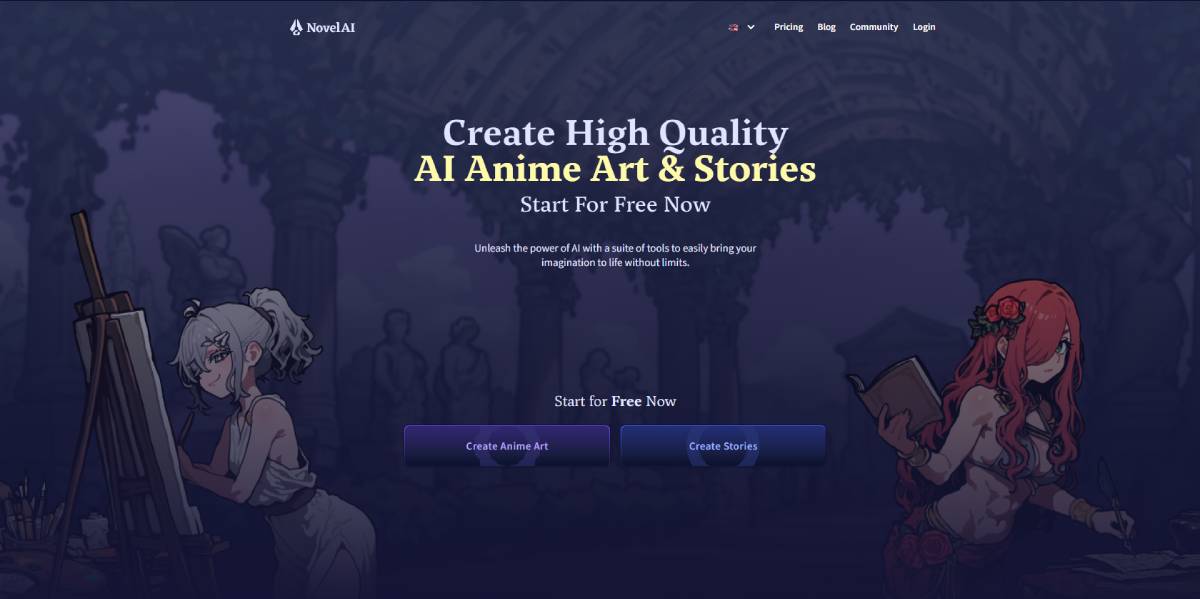
A major development is unfolding in the generative media sector as NovelAI strengthens its position in AI-driven anime image generation and storytelling. The expansion underscores a broader transformation across the global creative economy, where artificial intelligence is reshaping digital art production, intellectual property strategy, and monetisation models.
Novel AI operates a subscription-based platform that enables users to generate anime-style visuals and long-form narratives using advanced generative AI models. The system combines text-to-image diffusion models with AI-assisted storytelling engines, targeting digital artists, writers, and gaming communities.
The company has focused on stylistic customisation, private content generation, and user-controlled creative workflows features that differentiate it within a crowded AI art market. Its growth reflects sustained demand for personalised creative tools, particularly in regions with strong anime and manga consumption.
The platform’s rise comes amid ongoing debates around copyright, training data transparency, and AI’s impact on traditional creative industries. The development aligns with a broader trend across global markets where generative AI tools are rapidly disrupting creative production pipelines. Since the mainstream breakthrough of AI image generators in the early 2020s, digital content creation has shifted from manual illustration to AI-assisted workflows.
Anime and manga represent a multi-billion-dollar industry with significant influence across Asia, North America, and Europe. As streaming platforms and gaming ecosystems expand globally, demand for stylised digital assets continues to surge.
However, the proliferation of AI-generated art has triggered regulatory scrutiny and legal disputes over intellectual property rights. Policymakers in major economies are evaluating how copyright frameworks apply to AI-trained systems, while creative professionals debate issues of authorship and originality. In this environment, platforms like NovelAI operate at the intersection of technological innovation and evolving cultural policy.
Creative industry analysts suggest AI-powered art platforms represent both an efficiency breakthrough and a structural disruption. Experts note that services such as NovelAI empower independent creators to produce studio-quality visuals at scale, reducing barriers to entry in publishing and game development.
However, intellectual property specialists caution that unresolved legal questions around training datasets and derivative styles could lead to tighter regulatory controls. Industry observers argue that transparency in model governance and licensing structures will determine long-term sustainability.
Digital media strategists also highlight monetisation potential through subscription models, premium generation tiers, and enterprise licensing. As generative AI matures, differentiation will hinge on user trust, content moderation frameworks, and the ability to align with evolving copyright legislation across jurisdictions.
For media executives, AI anime generators could significantly reduce production costs and accelerate content pipelines. Gaming studios, publishers, and marketing firms may integrate AI-assisted design tools to enhance speed and experimentation.
Investors are closely watching AI-native creative platforms as potential high-growth digital assets. At the same time, regulators face mounting pressure to clarify copyright standards and prevent misuse, particularly concerning deepfakes or unauthorised stylistic replication.
For traditional artists and studios, the shift demands adaptation either through AI augmentation strategies or differentiated premium craftsmanship models that emphasise human originality.
As generative AI adoption deepens, the competitive landscape will likely intensify, with consolidation and regulatory oversight shaping market direction. Decision-makers should monitor legal precedents, cross-border compliance requirements, and evolving consumer preferences.
The next chapter in AI-driven creativity will determine whether platforms like NovelAI become mainstream production infrastructure—or remain specialised tools within niche digital communities.
Source: NovelAI Official Website
Date: March 4, 2026


