
Nvidia Expands Control Across AI Infrastructure

Nvidia is increasingly consolidating control over critical components of the AI computing ecosystem, leveraging its dominant position in graphics processing units (GPUs) to influence suppliers.

May 13, 2026
|
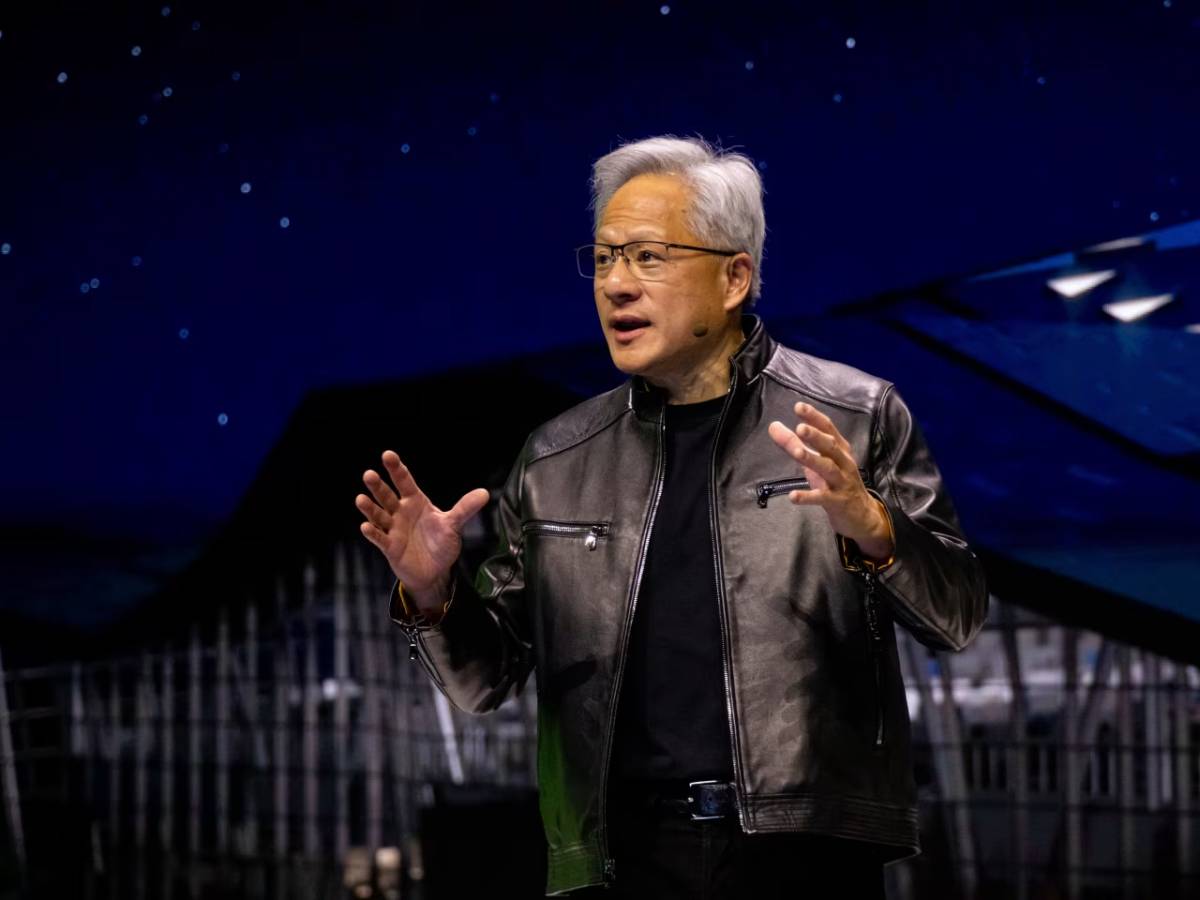
Image Source: The Wall Street Journal

A major strategic shift is unfolding in the global semiconductor industry as Nvidia deepens its influence across the AI chip supply chain, extending beyond processor design into manufacturing coordination, networking infrastructure, software ecosystems, and data-center integration. The move signals a new phase in the global AI race, with significant implications for technology markets, industrial policy, and geopolitical competition.

Nvidia is increasingly consolidating control over critical components of the AI computing ecosystem, leveraging its dominant position in graphics processing units (GPUs) to influence suppliers, manufacturing partners, cloud providers, and infrastructure deployment strategies.

The company has expanded investments across advanced chip packaging, networking hardware, AI software frameworks, and long-term manufacturing agreements with key industry players including Taiwan Semiconductor Manufacturing Company. Analysts note that Nvidia’s influence now stretches far beyond chip sales into the operational backbone of global AI infrastructure.

Demand for Nvidia processors continues to surge amid explosive investment in generative AI systems, hyperscale data centers, and sovereign AI initiatives. Governments and enterprises worldwide are competing to secure access to advanced AI chips, intensifying supply-chain pressures and geopolitical sensitivity surrounding semiconductor production capacity.

The broader market increasingly views Nvidia not merely as a chipmaker, but as a strategic infrastructure provider for the AI economy. The development aligns with a wider transformation in the semiconductor sector, where AI computing demand is rapidly reshaping supply chains, capital investment patterns, and geopolitical alliances. Since the emergence of generative AI platforms, advanced GPUs have become foundational to training and deploying large-scale AI models, placing Nvidia at the center of the global technology ecosystem.

Historically, semiconductor firms operated within relatively segmented supply chains involving design firms, fabrication plants, packaging specialists, and hardware vendors. However, the AI boom has accelerated vertical integration strategies as companies seek greater control over manufacturing timelines, performance optimization, and infrastructure scalability.

The geopolitical dimension is equally significant. Semiconductor production remains heavily concentrated in Asia, particularly in Taiwan, making chip supply chains strategically sensitive amid rising tensions between the United States and China. Washington has already implemented export restrictions targeting advanced AI chips, while governments globally are investing billions into domestic semiconductor manufacturing capabilities.

Nvidia’s growing ecosystem dominance also reflects broader market consolidation trends in AI infrastructure, where computing power, networking, software, and cloud integration are increasingly converging into unified strategic platforms.

Industry analysts argue that Nvidia has evolved from a high-performance chip company into one of the most strategically important infrastructure firms in the global economy. Experts note that its dominance in AI acceleration hardware has allowed the company to shape standards across data-center architecture, AI development tools, and enterprise computing strategies.

Technology strategists suggest Nvidia’s expanding control over supply-chain coordination may help mitigate production bottlenecks while strengthening customer dependency on its ecosystem. By integrating hardware, software, networking, and optimization tools, the company is creating a vertically aligned AI platform that competitors may struggle to replicate.

However, some analysts warn that concentrated market power could raise concerns around pricing leverage, supply access, and long-term competition. Governments and regulators may increasingly examine whether dependence on a limited number of AI infrastructure providers creates strategic vulnerabilities for national economies and digital sovereignty initiatives.

Corporate leaders across cloud computing and enterprise technology sectors are also closely monitoring Nvidia’s ability to maintain supply stability amid surging global demand. Any disruption in advanced semiconductor production could have cascading effects across AI deployment timelines, enterprise modernization efforts, and broader digital transformation strategies.

For global businesses, Nvidia’s growing control over AI infrastructure highlights the increasing importance of securing long-term access to advanced computing resources. Enterprises pursuing AI adoption may face rising competition for processing capacity, infrastructure contracts, and specialized hardware integration.

Investors are likely to interpret Nvidia’s ecosystem expansion as further evidence that AI infrastructure remains one of the most strategically valuable sectors in global markets. The development could reinforce capital flows into semiconductor manufacturing, cloud infrastructure, and AI networking technologies.

For policymakers, the concentration of AI computing power within a small number of firms raises concerns around supply-chain resilience, national security, and digital independence. Governments may accelerate industrial policy initiatives aimed at diversifying semiconductor ecosystems and reducing reliance on foreign manufacturing concentration.

The broader competitive landscape may also push rival technology companies to pursue deeper vertical integration strategies of their own. Nvidia’s expanding role across the semiconductor value chain is likely to intensify competition over AI infrastructure ownership, manufacturing access, and computing sovereignty. Decision-makers will closely monitor whether the company can sustain supply dominance while navigating geopolitical risks, export controls, and escalating global demand.

The next phase of the AI economy may increasingly depend not only on software innovation, but on who controls the physical infrastructure powering intelligent systems worldwide.

Source: The Wall Street Journal
Date: May 12, 2026

  • Featured tools
Alli AI
Free

Alli AI is an all-in-one, AI-powered SEO automation platform that streamlines on-page optimization, site auditing, speed improvements, schema generation, internal linking, and ranking insights.

#
SEO
Learn more
Ai Fiesta
Paid

AI Fiesta is an all-in-one productivity platform that gives users access to multiple leading AI models through a single interface. It includes features like prompt enhancement, image generation, audio transcription and side-by-side model comparison.

#
Copywriting
#
Art Generator
Learn more

Learn more about future of AI

Join 80,000+ Ai enthusiast getting weekly updates on exciting AI tools.
Thank you! Your submission has been received!
Oops! Something went wrong while submitting the form.

Nvidia Expands Control Across AI Infrastructure

May 13, 2026

Nvidia is increasingly consolidating control over critical components of the AI computing ecosystem, leveraging its dominant position in graphics processing units (GPUs) to influence suppliers.

Image Source: The Wall Street Journal

A major strategic shift is unfolding in the global semiconductor industry as Nvidia deepens its influence across the AI chip supply chain, extending beyond processor design into manufacturing coordination, networking infrastructure, software ecosystems, and data-center integration. The move signals a new phase in the global AI race, with significant implications for technology markets, industrial policy, and geopolitical competition.

Nvidia is increasingly consolidating control over critical components of the AI computing ecosystem, leveraging its dominant position in graphics processing units (GPUs) to influence suppliers, manufacturing partners, cloud providers, and infrastructure deployment strategies.

The company has expanded investments across advanced chip packaging, networking hardware, AI software frameworks, and long-term manufacturing agreements with key industry players including Taiwan Semiconductor Manufacturing Company. Analysts note that Nvidia’s influence now stretches far beyond chip sales into the operational backbone of global AI infrastructure.

Demand for Nvidia processors continues to surge amid explosive investment in generative AI systems, hyperscale data centers, and sovereign AI initiatives. Governments and enterprises worldwide are competing to secure access to advanced AI chips, intensifying supply-chain pressures and geopolitical sensitivity surrounding semiconductor production capacity.

The broader market increasingly views Nvidia not merely as a chipmaker, but as a strategic infrastructure provider for the AI economy. The development aligns with a wider transformation in the semiconductor sector, where AI computing demand is rapidly reshaping supply chains, capital investment patterns, and geopolitical alliances. Since the emergence of generative AI platforms, advanced GPUs have become foundational to training and deploying large-scale AI models, placing Nvidia at the center of the global technology ecosystem.

Historically, semiconductor firms operated within relatively segmented supply chains involving design firms, fabrication plants, packaging specialists, and hardware vendors. However, the AI boom has accelerated vertical integration strategies as companies seek greater control over manufacturing timelines, performance optimization, and infrastructure scalability.

The geopolitical dimension is equally significant. Semiconductor production remains heavily concentrated in Asia, particularly in Taiwan, making chip supply chains strategically sensitive amid rising tensions between the United States and China. Washington has already implemented export restrictions targeting advanced AI chips, while governments globally are investing billions into domestic semiconductor manufacturing capabilities.

Nvidia’s growing ecosystem dominance also reflects broader market consolidation trends in AI infrastructure, where computing power, networking, software, and cloud integration are increasingly converging into unified strategic platforms.

Industry analysts argue that Nvidia has evolved from a high-performance chip company into one of the most strategically important infrastructure firms in the global economy. Experts note that its dominance in AI acceleration hardware has allowed the company to shape standards across data-center architecture, AI development tools, and enterprise computing strategies.

Technology strategists suggest Nvidia’s expanding control over supply-chain coordination may help mitigate production bottlenecks while strengthening customer dependency on its ecosystem. By integrating hardware, software, networking, and optimization tools, the company is creating a vertically aligned AI platform that competitors may struggle to replicate.

However, some analysts warn that concentrated market power could raise concerns around pricing leverage, supply access, and long-term competition. Governments and regulators may increasingly examine whether dependence on a limited number of AI infrastructure providers creates strategic vulnerabilities for national economies and digital sovereignty initiatives.

Corporate leaders across cloud computing and enterprise technology sectors are also closely monitoring Nvidia’s ability to maintain supply stability amid surging global demand. Any disruption in advanced semiconductor production could have cascading effects across AI deployment timelines, enterprise modernization efforts, and broader digital transformation strategies.

For global businesses, Nvidia’s growing control over AI infrastructure highlights the increasing importance of securing long-term access to advanced computing resources. Enterprises pursuing AI adoption may face rising competition for processing capacity, infrastructure contracts, and specialized hardware integration.

Investors are likely to interpret Nvidia’s ecosystem expansion as further evidence that AI infrastructure remains one of the most strategically valuable sectors in global markets. The development could reinforce capital flows into semiconductor manufacturing, cloud infrastructure, and AI networking technologies.

For policymakers, the concentration of AI computing power within a small number of firms raises concerns around supply-chain resilience, national security, and digital independence. Governments may accelerate industrial policy initiatives aimed at diversifying semiconductor ecosystems and reducing reliance on foreign manufacturing concentration.

The broader competitive landscape may also push rival technology companies to pursue deeper vertical integration strategies of their own. Nvidia’s expanding role across the semiconductor value chain is likely to intensify competition over AI infrastructure ownership, manufacturing access, and computing sovereignty. Decision-makers will closely monitor whether the company can sustain supply dominance while navigating geopolitical risks, export controls, and escalating global demand.

The next phase of the AI economy may increasingly depend not only on software innovation, but on who controls the physical infrastructure powering intelligent systems worldwide.

Source: The Wall Street Journal
Date: May 12, 2026

Promote Your Tool

Copy Embed Code

Similar Blogs

May 18, 2026
|

Meta Advances Spatial Computing With Smart Glasses

The Ray-Ban Display glasses reportedly integrate virtual writing capabilities, allowing users to input text and interact with applications through spatial gestures and display overlays.
Read more
May 18, 2026
|

Dyson AI Air Mobility Era Purifier

The latest Dyson purifier integrates camera-based tracking technology to identify user location within a room and dynamically adjust airflow direction.
Read more
May 18, 2026
|

Apple Intelligence Upgrades Siri Chat Privacy

Reports suggest that Apple’s upcoming Siri upgrade will introduce auto-deleting conversations, allowing user interactions with the assistant to be automatically removed after a defined period.
Read more
May 18, 2026
|

AI Becomes Core Study Infrastructure Students

Students are increasingly leveraging AI tools for structured exam preparation, including summarization of study material, practice question generation, and concept clarification.
Read more
May 18, 2026
|

Google Accelerates Smart Glasses Push AR

Reports indicate that Google’s upcoming smart glasses initiative will focus on integrating advanced AI features, real-time contextual computing, and enhanced visual overlays for everyday use.
Read more
May 18, 2026
|

Google Eyes Gemini Fitbit Integration Ecosystem

Reports suggest that Google may leverage its Gemini AI capabilities to strengthen the functionality of Fitbit devices, potentially positioning them as complementary infrastructure for future smart glasses systems.
Read more