
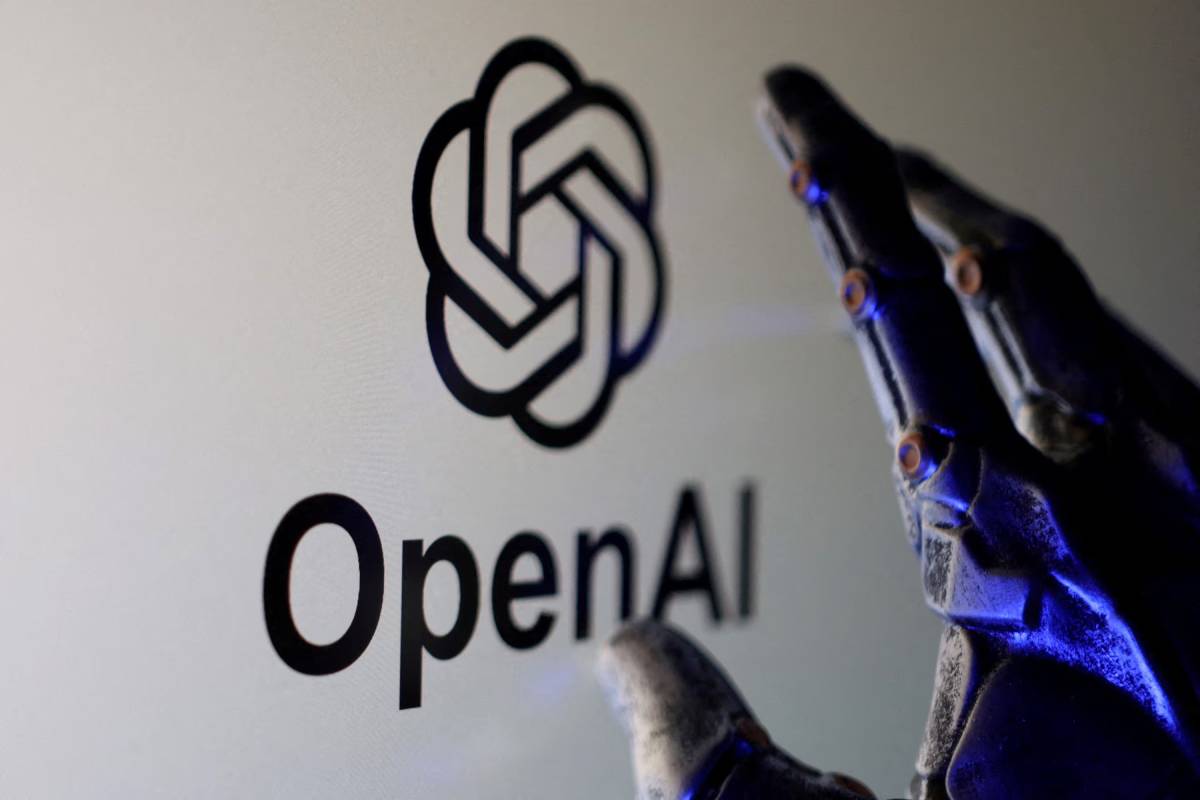
OpenAI Robotics Chief Exit Fuels Pentagon AI Partnership Debate

A senior robotics leader at OpenAI stepped down following internal concerns surrounding the company’s AI collaboration with the Pentagon.

March 9, 2026
|

A major leadership shake-up has emerged in the global AI sector as a senior robotics leader at OpenAI resigned over concerns tied to the company’s collaboration with the U.S. Department of Defense. The move highlights growing tensions around military applications of artificial intelligence and raises broader questions about governance, ethics, and strategic technology partnerships.

A senior robotics leader at OpenAI stepped down following internal concerns surrounding the company’s AI collaboration with the Pentagon. The resignation reportedly stems from disagreements over guardrails governing the potential military use of advanced AI systems. The deal involves cooperation between OpenAI and the U.S. Department of Defense on artificial intelligence technologies aimed at strengthening national security capabilities.

The development has sparked debate within the technology sector about the ethical boundaries of AI development and its integration into defense infrastructure. Industry observers note that AI companies are increasingly navigating complex relationships with governments seeking advanced capabilities for intelligence, cybersecurity, and defense operations.

The controversy reflects a growing global debate over the role of artificial intelligence in military and defense applications. Governments worldwide are accelerating investments in AI systems capable of enhancing battlefield intelligence, logistics, and cyber defense operations.

In the United States, defense agencies have increasingly partnered with leading technology companies to access cutting-edge machine learning systems. These collaborations aim to maintain strategic advantages in emerging technology competition with global rivals.

However, such partnerships have often triggered internal debates within technology companies about the ethical boundaries of AI deployment. Several high-profile incidents over the past decade have seen employees protest or resign over contracts tied to defense initiatives.

The latest resignation at OpenAI underscores the persistent tension between innovation, commercial growth, and ethical considerations as AI systems become increasingly central to geopolitical competition and national security strategies.

Technology governance experts say the incident reflects deeper structural tensions within the AI industry. “Artificial intelligence is no longer just a commercial technology it has become a strategic asset with national security implications,” said a technology policy analyst based in Washington.

Some industry observers argue that partnerships between AI companies and defense institutions are inevitable as governments seek access to advanced capabilities. Others caution that such collaborations require strong oversight frameworks to ensure responsible deployment.

OpenAI representatives have emphasized the company’s commitment to responsible AI development and the importance of guardrails governing sensitive applications. Meanwhile, defense officials maintain that collaboration with private-sector innovators is essential to maintaining technological superiority in an era where AI is rapidly transforming global security dynamics.

For technology companies and investors, the resignation highlights the reputational and governance risks associated with defense-related AI partnerships. Firms operating at the frontier of AI development may face increasing pressure from employees, regulators, and civil society groups to clarify ethical policies.

Businesses collaborating with governments may also need to strengthen transparency and internal oversight structures. From a policy standpoint, the episode underscores the need for clearer regulatory frameworks governing military AI applications. Governments worldwide are exploring guidelines designed to ensure accountability while maintaining strategic technological advantages in defense capabilities.

The debate could shape future partnerships between AI developers and national security institutions. The coming months are likely to bring closer scrutiny of AI defense partnerships and the governance structures surrounding them. Technology firms may introduce stricter internal policies governing military applications of their systems.

Executives, policymakers, and investors will be watching closely as the global AI industry navigates the intersection of innovation, ethics, and national security—an area increasingly central to the future of geopolitical technology competition.

Source: NPR
Date: March 8, 2026

  • Featured tools
Wonder AI
Free

Wonder AI is a versatile AI-powered creative platform that generates text, images, and audio with minimal input, designed for fast storytelling, visual creation, and audio content generation

#
Art Generator
Learn more
Symphony Ayasdi AI
Free

SymphonyAI Sensa is an AI-powered surveillance and financial crime detection platform that surfaces hidden risk behavior through explainable, AI-driven analytics.

#
Finance
Learn more

Learn more about future of AI

Join 80,000+ Ai enthusiast getting weekly updates on exciting AI tools.
Thank you! Your submission has been received!
Oops! Something went wrong while submitting the form.

OpenAI Robotics Chief Exit Fuels Pentagon AI Partnership Debate

March 9, 2026

A senior robotics leader at OpenAI stepped down following internal concerns surrounding the company’s AI collaboration with the Pentagon.

A major leadership shake-up has emerged in the global AI sector as a senior robotics leader at OpenAI resigned over concerns tied to the company’s collaboration with the U.S. Department of Defense. The move highlights growing tensions around military applications of artificial intelligence and raises broader questions about governance, ethics, and strategic technology partnerships.

A senior robotics leader at OpenAI stepped down following internal concerns surrounding the company’s AI collaboration with the Pentagon. The resignation reportedly stems from disagreements over guardrails governing the potential military use of advanced AI systems. The deal involves cooperation between OpenAI and the U.S. Department of Defense on artificial intelligence technologies aimed at strengthening national security capabilities.

The development has sparked debate within the technology sector about the ethical boundaries of AI development and its integration into defense infrastructure. Industry observers note that AI companies are increasingly navigating complex relationships with governments seeking advanced capabilities for intelligence, cybersecurity, and defense operations.

The controversy reflects a growing global debate over the role of artificial intelligence in military and defense applications. Governments worldwide are accelerating investments in AI systems capable of enhancing battlefield intelligence, logistics, and cyber defense operations.

In the United States, defense agencies have increasingly partnered with leading technology companies to access cutting-edge machine learning systems. These collaborations aim to maintain strategic advantages in emerging technology competition with global rivals.

However, such partnerships have often triggered internal debates within technology companies about the ethical boundaries of AI deployment. Several high-profile incidents over the past decade have seen employees protest or resign over contracts tied to defense initiatives.

The latest resignation at OpenAI underscores the persistent tension between innovation, commercial growth, and ethical considerations as AI systems become increasingly central to geopolitical competition and national security strategies.

Technology governance experts say the incident reflects deeper structural tensions within the AI industry. “Artificial intelligence is no longer just a commercial technology it has become a strategic asset with national security implications,” said a technology policy analyst based in Washington.

Some industry observers argue that partnerships between AI companies and defense institutions are inevitable as governments seek access to advanced capabilities. Others caution that such collaborations require strong oversight frameworks to ensure responsible deployment.

OpenAI representatives have emphasized the company’s commitment to responsible AI development and the importance of guardrails governing sensitive applications. Meanwhile, defense officials maintain that collaboration with private-sector innovators is essential to maintaining technological superiority in an era where AI is rapidly transforming global security dynamics.

For technology companies and investors, the resignation highlights the reputational and governance risks associated with defense-related AI partnerships. Firms operating at the frontier of AI development may face increasing pressure from employees, regulators, and civil society groups to clarify ethical policies.

Businesses collaborating with governments may also need to strengthen transparency and internal oversight structures. From a policy standpoint, the episode underscores the need for clearer regulatory frameworks governing military AI applications. Governments worldwide are exploring guidelines designed to ensure accountability while maintaining strategic technological advantages in defense capabilities.

The debate could shape future partnerships between AI developers and national security institutions. The coming months are likely to bring closer scrutiny of AI defense partnerships and the governance structures surrounding them. Technology firms may introduce stricter internal policies governing military applications of their systems.

Executives, policymakers, and investors will be watching closely as the global AI industry navigates the intersection of innovation, ethics, and national security—an area increasingly central to the future of geopolitical technology competition.

Source: NPR
Date: March 8, 2026

Promote Your Tool

Copy Embed Code

Similar Blogs

March 9, 2026
|

Nota AI Demonstrates On Device AI at Embedded World

Nota AI plans to showcase a fully integrated AI solution spanning device-level optimization, real-time analytics, and industrial deployment. The demonstration at Embedded World 2026.
Read more
March 9, 2026
|

Criteo Debuts AI Commerce Platform With ChatGPT Pilot

A major development unfolded today as Criteo presented its AI-driven commerce platform at the Morgan Stanley Technology, Media & Telecom Conference. The announcement, highlighting a ChatGPT pilot and the Commerce Go solution.
Read more
March 9, 2026
|

AI Governance Risks Rise Amid U.S. Anthropic Standoff

The U.S. Department of Defense and federal regulators have expressed caution over Anthropic’s AI models, citing potential risks to security and ethical compliance.
Read more
March 9, 2026
|

Investors Move From Prediction Markets to AI Stocks

A major investment trend is emerging as market observers note soaring activity in prediction markets, yet analysts suggest that high-growth artificial intelligence stocks offer more strategic upside.
Read more
March 9, 2026
|

Netflix Buys Ben Affleck’s AI Start Up for Innovation

Netflix completed the acquisition of Ben Affleck’s AI start-up, a company specializing in generative AI tools for video production, script analysis, and automated editing.
Read more
March 9, 2026
|

AWS Boosts AI Workforce Skills Via College Alliance

Amazon Web Services (AWS) is scaling its partnership with the National Applied AI Consortium to broaden AI-focused training programs across community colleges in the United States.
Read more