



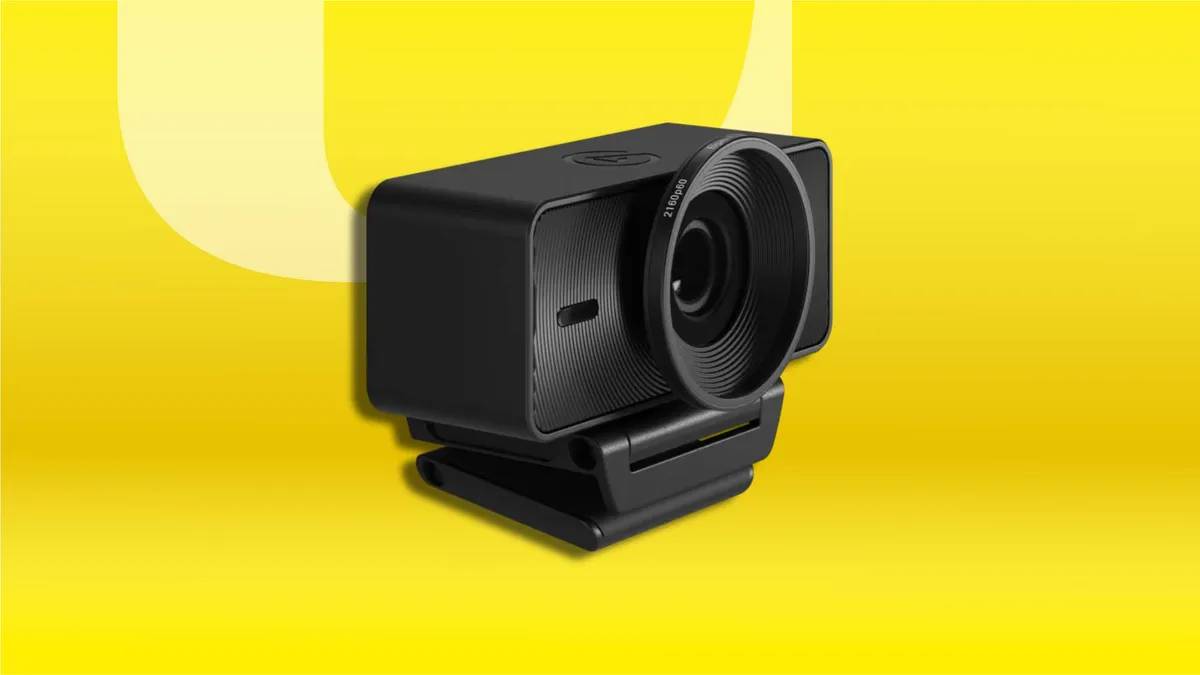
A pricing move in the consumer hardware market is drawing attention as Elgato Facecam 4K becomes available at a reduced price point. The shift reflects growing demand for high-quality video communication tools, with implications for remote work, enterprise collaboration, and the evolving standards of digital presence.
The Elgato Facecam 4K webcam is currently being offered at approximately $160, positioning it competitively within the premium webcam segment. The device delivers ultra-high-definition video quality, targeting professionals, content creators, and remote workers seeking enhanced visual clarity.
Manufactured by Elgato, the product emphasizes improved image processing, low-light performance, and plug-and-play compatibility with major conferencing platforms.
The pricing adjustment highlights intensifying competition among hardware providers as demand for high-quality video solutions continues to expand. Key stakeholders include enterprises, remote professionals, and streaming platforms, all of whom rely on video communication as a core operational tool.
The development aligns with a broader trend across global markets where video communication has become a foundational element of business operations. Since the widespread adoption of remote and hybrid work models, demand for professional-grade webcams and audio-visual equipment has surged.
Platforms such as Zoom and Microsoft Teams have normalized video-first communication, raising expectations for image quality and reliability. As a result, hardware manufacturers are innovating rapidly to meet enterprise-grade requirements at consumer-accessible price points.
Historically, high-end video equipment was limited to broadcasting or specialized industries. However, the democratization of content creation and remote work has expanded the market significantly. Competitive pricing strategies, such as this deal, indicate a maturing market where performance and affordability are increasingly converging.
Industry analysts suggest that pricing adjustments in premium webcam segments reflect both increased competition and economies of scale in hardware production. Experts note that as remote work stabilizes into a long-term norm, demand is shifting from basic functionality to quality-driven upgrades.
Technology observers highlight that improved video quality is no longer a luxury but a professional necessity, particularly in client-facing roles, virtual events, and digital content creation. High-resolution webcams are becoming part of standard enterprise equipment.
From a strategic standpoint, companies like Elgato are positioning themselves at the intersection of professional and consumer markets, targeting users who require broadcast-quality output without complex setups. Analysts also point to the growing influence of creators and streamers in shaping product innovation and demand patterns.
For businesses, the availability of affordable high-quality webcams could enhance communication standards across distributed teams, improving productivity and client engagement. Organizations may increasingly invest in upgraded hardware as part of digital transformation strategies.
Investors may view the trend as indicative of sustained demand in the broader creator economy and remote work infrastructure markets. For consumers, competitive pricing lowers the barrier to accessing professional-grade tools.
From a policy perspective, the normalization of video communication raises considerations around data security, privacy, and digital infrastructure resilience. Governments and regulators may need to ensure that evolving communication standards align with cybersecurity and compliance frameworks.
As competition intensifies, further price adjustments and feature innovations are likely across the webcam market. Decision-makers should monitor how hardware upgrades influence productivity, user experience, and enterprise adoption.
The convergence of affordability and performance suggests that high-quality video communication tools will become a baseline expectation in the global digital workplace.
Source: CNET
Date: April 2026


