
ProWritingAid Expands AI Editing Tools for Professional Writing Automation

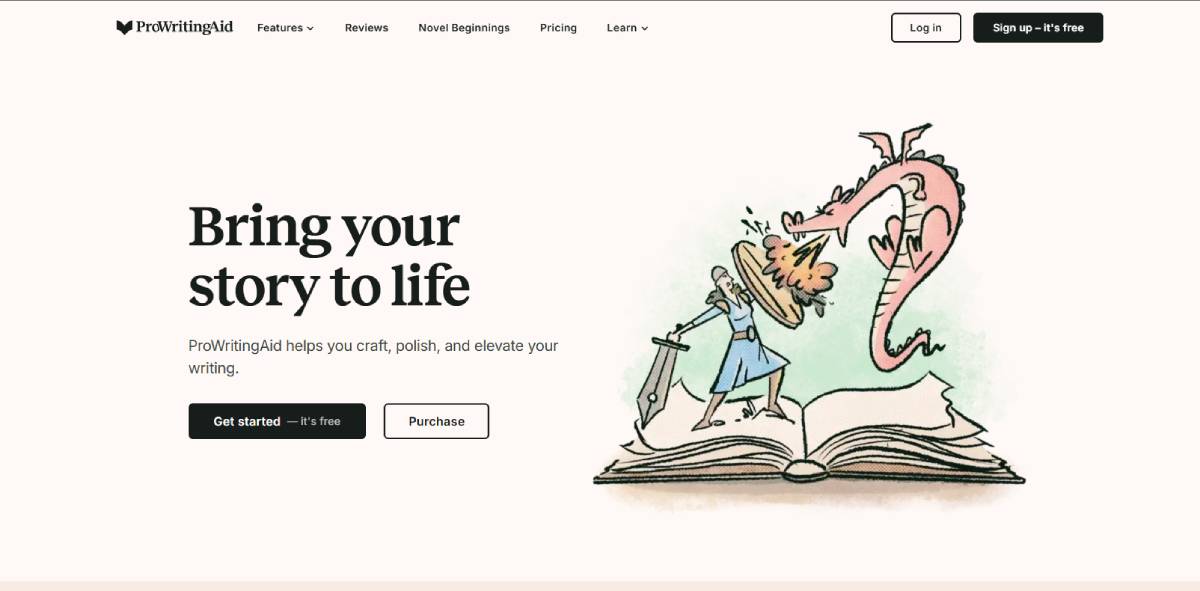
ProWritingAid has expanded its AI-driven writing platform, positioning it as a comprehensive toolkit designed to help writers, businesses, and publishers improve content quality and storytelling efficiency.

March 6, 2026
|

A major shift in professional writing technology is unfolding as ProWritingAid strengthens its AI-powered storytelling and editing platform. The development highlights the rapid integration of artificial intelligence into content creation workflows, with implications for authors, corporate communications teams, publishers, and global digital media organizations.

ProWritingAid has expanded its AI-driven writing platform, positioning it as a comprehensive toolkit designed to help writers, businesses, and publishers improve content quality and storytelling efficiency.

The platform integrates advanced grammar correction, stylistic analysis, readability optimization, and narrative development tools into a single environment. Users receive real-time suggestions to refine structure, tone, pacing, and clarity.

Key capabilities include:

  • AI-powered grammar and style analysis
  • Story structure and pacing guidance for fiction and long-form content
  • Detailed writing reports for readability and engagement
  • Integration with platforms such as Microsoft Word, Google Docs, and Scrivener

The company is targeting professional writers, marketing teams, academic institutions, and publishing houses seeking scalable editing and writing solutions powered by artificial intelligence.

The expansion of ProWritingAid’s capabilities reflects a broader transformation underway in the global content economy. Businesses, media organizations, and creators increasingly depend on high-volume written communication from marketing copy and reports to research publications and digital storytelling. As content demand rises, organizations are turning to AI-powered writing assistants to streamline editing and improve productivity.

The emergence of generative AI has accelerated this shift. Writing tools are evolving beyond basic grammar correction to include contextual analysis, narrative development guidance, and style optimization.

Platforms such as Grammarly and QuillBot have already reshaped digital writing workflows, particularly in professional and academic settings. ProWritingAid differentiates itself by focusing heavily on long-form storytelling, offering specialized analytics designed for authors and creative writers alongside corporate users.

This reflects a growing convergence between AI writing tools and broader content production platforms. Industry analysts say AI writing assistants are quickly becoming essential productivity tools across knowledge-based industries. Communication experts argue that the complexity of modern digital communication spanning emails, reports, marketing campaigns, and social media requires tools that can maintain consistency and clarity across large volumes of text.

Technology strategists note that platforms like ProWritingAid represent the evolution of AI from simple correction tools to full writing partners capable of analyzing narrative structure, tone, and audience engagement.

Some analysts believe the next generation of writing software will integrate deeper AI capabilities, including automatic research assistance, content generation, and editorial collaboration. However, experts also warn that heavy reliance on automated editing tools raises concerns around originality, intellectual ownership, and the homogenization of writing styles. Balancing efficiency with authentic voice remains a key challenge for both creators and organizations.

For businesses, AI-powered writing tools offer significant operational advantages. Corporate communications teams can streamline report writing, marketing copy, and internal documentation, reducing editing cycles and improving clarity. This could translate into measurable productivity gains across large organizations. Investors and technology observers also see expanding opportunities in the AI productivity software market, which is attracting growing venture capital interest.

From a policy perspective, governments and academic institutions are increasingly evaluating how AI writing tools affect authorship standards, academic integrity, and intellectual property. Organizations adopting these technologies may need to implement clear policies governing AI-assisted writing and content transparency.

As artificial intelligence continues to reshape professional communication, writing platforms like ProWritingAid are likely to play a growing role in global content production. Future development will likely focus on deeper generative capabilities, collaborative AI editing, and integration across enterprise software ecosystems. For business leaders and content strategists, the central question will be how to harness AI-driven writing tools while preserving originality, credibility, and human creativity.

Source: ProWritingAid
Date: March 6, 2026

  • Featured tools
Symphony Ayasdi AI
Free

SymphonyAI Sensa is an AI-powered surveillance and financial crime detection platform that surfaces hidden risk behavior through explainable, AI-driven analytics.

#
Finance
Learn more
Beautiful AI
Free

Beautiful AI is an AI-powered presentation platform that automates slide design and formatting, enabling users to create polished, on-brand presentations quickly.

#
Presentation
Learn more

Learn more about future of AI

Join 80,000+ Ai enthusiast getting weekly updates on exciting AI tools.
Thank you! Your submission has been received!
Oops! Something went wrong while submitting the form.

ProWritingAid Expands AI Editing Tools for Professional Writing Automation

March 6, 2026

ProWritingAid has expanded its AI-driven writing platform, positioning it as a comprehensive toolkit designed to help writers, businesses, and publishers improve content quality and storytelling efficiency.

A major shift in professional writing technology is unfolding as ProWritingAid strengthens its AI-powered storytelling and editing platform. The development highlights the rapid integration of artificial intelligence into content creation workflows, with implications for authors, corporate communications teams, publishers, and global digital media organizations.

ProWritingAid has expanded its AI-driven writing platform, positioning it as a comprehensive toolkit designed to help writers, businesses, and publishers improve content quality and storytelling efficiency.

The platform integrates advanced grammar correction, stylistic analysis, readability optimization, and narrative development tools into a single environment. Users receive real-time suggestions to refine structure, tone, pacing, and clarity.

Key capabilities include:

  • AI-powered grammar and style analysis
  • Story structure and pacing guidance for fiction and long-form content
  • Detailed writing reports for readability and engagement
  • Integration with platforms such as Microsoft Word, Google Docs, and Scrivener

The company is targeting professional writers, marketing teams, academic institutions, and publishing houses seeking scalable editing and writing solutions powered by artificial intelligence.

The expansion of ProWritingAid’s capabilities reflects a broader transformation underway in the global content economy. Businesses, media organizations, and creators increasingly depend on high-volume written communication from marketing copy and reports to research publications and digital storytelling. As content demand rises, organizations are turning to AI-powered writing assistants to streamline editing and improve productivity.

The emergence of generative AI has accelerated this shift. Writing tools are evolving beyond basic grammar correction to include contextual analysis, narrative development guidance, and style optimization.

Platforms such as Grammarly and QuillBot have already reshaped digital writing workflows, particularly in professional and academic settings. ProWritingAid differentiates itself by focusing heavily on long-form storytelling, offering specialized analytics designed for authors and creative writers alongside corporate users.

This reflects a growing convergence between AI writing tools and broader content production platforms. Industry analysts say AI writing assistants are quickly becoming essential productivity tools across knowledge-based industries. Communication experts argue that the complexity of modern digital communication spanning emails, reports, marketing campaigns, and social media requires tools that can maintain consistency and clarity across large volumes of text.

Technology strategists note that platforms like ProWritingAid represent the evolution of AI from simple correction tools to full writing partners capable of analyzing narrative structure, tone, and audience engagement.

Some analysts believe the next generation of writing software will integrate deeper AI capabilities, including automatic research assistance, content generation, and editorial collaboration. However, experts also warn that heavy reliance on automated editing tools raises concerns around originality, intellectual ownership, and the homogenization of writing styles. Balancing efficiency with authentic voice remains a key challenge for both creators and organizations.

For businesses, AI-powered writing tools offer significant operational advantages. Corporate communications teams can streamline report writing, marketing copy, and internal documentation, reducing editing cycles and improving clarity. This could translate into measurable productivity gains across large organizations. Investors and technology observers also see expanding opportunities in the AI productivity software market, which is attracting growing venture capital interest.

From a policy perspective, governments and academic institutions are increasingly evaluating how AI writing tools affect authorship standards, academic integrity, and intellectual property. Organizations adopting these technologies may need to implement clear policies governing AI-assisted writing and content transparency.

As artificial intelligence continues to reshape professional communication, writing platforms like ProWritingAid are likely to play a growing role in global content production. Future development will likely focus on deeper generative capabilities, collaborative AI editing, and integration across enterprise software ecosystems. For business leaders and content strategists, the central question will be how to harness AI-driven writing tools while preserving originality, credibility, and human creativity.

Source: ProWritingAid
Date: March 6, 2026

Promote Your Tool

Copy Embed Code

Similar Blogs

March 6, 2026
|

Thoughtly Launches No Code AI Phone Agents for Automation

Thoughtly’s launch aligns with a global trend toward AI-driven enterprise automation and intelligent customer engagement. As businesses grapple with rising operational costs and the need for 24/7 customer support.
Read more
March 6, 2026
|

Broadcom Rises on CEO Optimism for AI Growth

Broadcom shares rallied sharply after CEO Hock Tan outlined a robust outlook for AI-driven demand in the semiconductor sector.
Read more
March 6, 2026
|

Alibaba Surges in AI Commerce, Outpaces Amazon OpenAI

Alibaba has rolled out AI-powered features across its e-commerce platforms, including smart product recommendations, automated customer support, and dynamic pricing engines.
Read more
March 6, 2026
|

ByteDance AI Ambitions Hindered by Compute, Copyright Limits

ByteDance, the Chinese tech powerhouse behind TikTok, faces mounting obstacles in its AI expansion as limited access to high-performance computing and ongoing copyright disputes slow its ambitions.
Read more
March 6, 2026
|

Donald Trump Anthropic Clash Threatens United States AI Strategy

The conflict centers on disagreements between the administration of Donald Trump and leading AI firm Anthropic over safety restrictions embedded in advanced AI systems.
Read more
March 6, 2026
|

United States Weighs Global AI Chip Export Rules for Nvidia, AMD

US officials are reportedly drafting new regulations that would expand government oversight of global sales of advanced artificial intelligence chips produced by leading semiconductor firms such as Nvidia and AMD.
Read more