



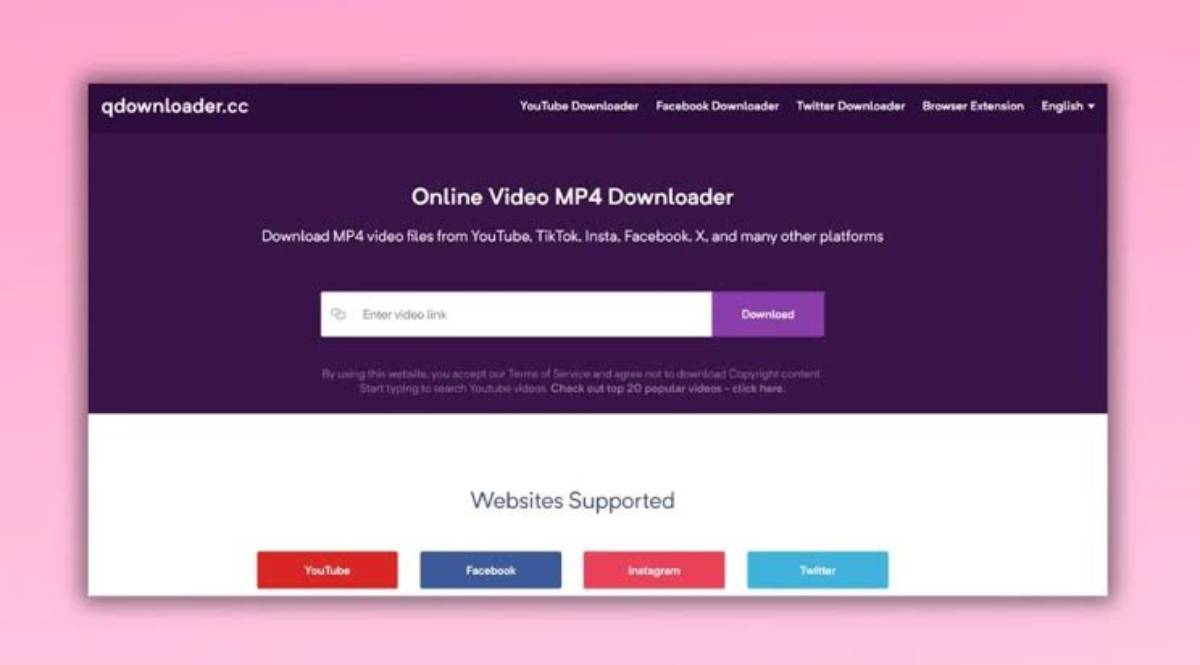
QDownloader.net reflects growing consumer demand for web-based tools that enable downloading and managing online media content. Its presence illustrates broader shifts in digital content accessibility while highlighting ongoing discussions surrounding copyright compliance, platform governance, and the evolving relationship between technology innovation and intellectual property protection.
QDownloader.net is an online media downloading service designed to help users access supported online video and audio content for offline use. Browser-based utilities such as QDownloader.net continue attracting users because they offer simple access without requiring software installation.
The platform operates within a rapidly changing digital media environment shaped by streaming services, cloud technologies, and mobile-first consumption habits. As audiences increasingly seek flexibility across devices, media management tools remain in demand. At the same time, they exist alongside evolving legal frameworks governing copyright, licensing, and digital rights management across international markets.
The global entertainment industry has undergone significant transformation as streaming platforms become the primary method for distributing music, video, educational resources, and live content. Subscription services have reshaped consumer expectations by providing convenient, on-demand access through cloud-based ecosystems.
Despite these advances, demand for offline viewing and greater control over personal media consumption continues supporting interest in web-based downloading solutions. This trend reflects broader changes in user behavior driven by mobile connectivity, remote work, and increased digital content consumption.
However, online media download services operate within a complex regulatory environment involving copyright law, intellectual property protection, and platform governance. Governments, technology companies, and content owners continue refining legal frameworks that encourage innovation while protecting creators' rights and maintaining sustainable digital content ecosystems.
Technology analysts note that user convenience remains a primary factor driving adoption of browser-based digital media tools. Simple, installation-free services continue attracting consumers seeking flexible access across multiple devices and operating systems.
At the same time, copyright specialists emphasize that downloading or converting online media should comply with applicable intellectual property laws and the terms established by content providers. Industry observers point out that major streaming companies increasingly offer licensed offline viewing and listening options to meet consumer expectations through authorized channels.
Although no official corporate statements accompany the platform's listing, digital policy experts broadly agree that future innovation will depend on balancing accessibility, creator compensation, cybersecurity, and responsible technology development within the rapidly expanding digital media economy.
For businesses, QDownloader.net highlights ongoing consumer demand for greater flexibility in accessing digital content. Media companies may continue investing in enhanced offline capabilities, cloud-based services, and subscription models that improve customer retention.
Investors should closely monitor digital entertainment, cloud infrastructure, and content licensing technologies, where regulatory developments and user preferences continue influencing market opportunities.
For policymakers, the platform reinforces the importance of modern copyright legislation, digital platform accountability, and international cooperation on online intellectual property protection. Balanced regulation remains essential for fostering innovation while safeguarding the interests of creators and rights holders.
The future of digital media is expected to be shaped by advances in AI-powered content management, stronger digital rights technologies, and expanded licensed offline access. Decision-makers should monitor evolving copyright regulations, platform policies, and consumer expectations for flexible media experiences. Organizations that successfully combine innovation, compliance, and user-focused services will be well positioned in the next phase of the global digital entertainment market.
Source: AlternativeTo
Date: July 23, 2026


