



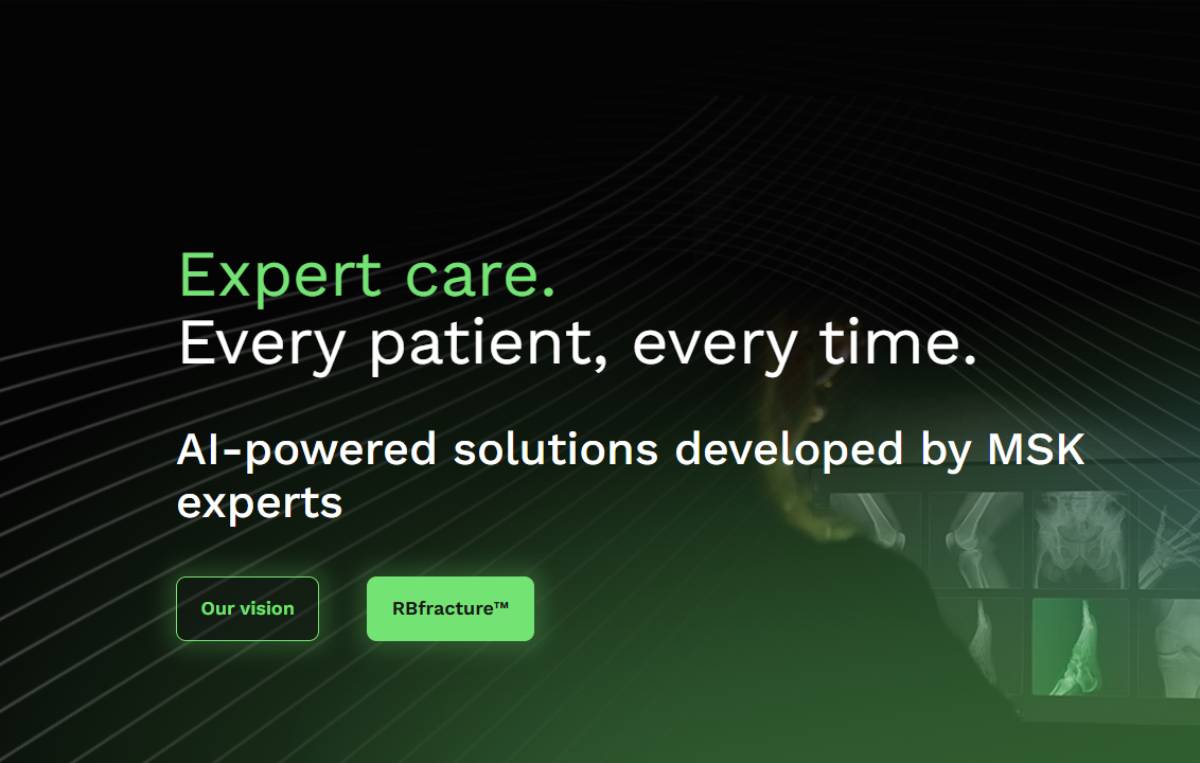
A major development unfolded in the healthcare technology sector as Radiobotics and Medimaps announced a merger to create a comprehensive artificial intelligence platform for musculoskeletal (MSK) imaging. The combination aims to transform how clinicians diagnose bone and joint conditions, accelerating AI adoption in medical imaging while improving accuracy, efficiency, and patient outcomes globally.
Radiobotics and Medimaps are joining forces to build an integrated MSK AI platform that combines advanced imaging analysis with clinical decision-support capabilities. The merger brings together two companies focused on improving diagnosis and workflow efficiency in musculoskeletal healthcare.
The new organisation will target hospitals, radiology providers, and healthcare systems seeking AI-powered tools to enhance imaging interpretation and patient management. By combining technology expertise and medical imaging data capabilities, the companies aim to establish a stronger position in the growing healthcare AI market.
The move reflects increasing investment in specialised AI solutions designed for clinical environments. Musculoskeletal disorders represent one of the largest healthcare challenges worldwide, affecting millions of patients through conditions such as osteoporosis, fractures, and joint diseases. As healthcare systems face increasing demand and limited specialist capacity, AI-powered imaging solutions are becoming an important tool for improving diagnostic speed and consistency.
The medical imaging sector has experienced rapid AI development, with companies focusing on specific clinical areas rather than broad healthcare applications. MSK imaging represents a significant opportunity because diagnosis often requires detailed analysis of complex visual data.
Radiobotics and Medimaps’ merger aligns with a wider healthcare technology trend where specialised AI platforms are moving from research environments into everyday clinical workflows. The development also reflects growing European ambitions to build competitive healthcare AI companies capable of serving global markets.
Healthcare technology analysts suggest that specialised AI platforms will play a crucial role in addressing healthcare workforce shortages and improving diagnostic accuracy. Experts believe that combining imaging expertise with artificial intelligence can help clinicians detect conditions earlier and make more informed treatment decisions.
The merger between Radiobotics and Medimaps demonstrates a strategic shift toward creating complete healthcare AI ecosystems rather than isolated software tools. Industry observers expect successful platforms to integrate seamlessly with existing hospital systems while meeting strict regulatory and safety requirements.
Medical AI leaders have emphasised that trust, clinical validation, and real-world performance will determine long-term adoption. Companies that can demonstrate measurable improvements in patient care and operational efficiency are likely to gain stronger partnerships with healthcare providers worldwide.
For healthcare executives, the merger highlights the growing importance of AI-driven diagnostic solutions as hospitals seek efficiency improvements and better patient outcomes. Healthcare organisations may increasingly evaluate AI platforms that can support clinicians while reducing administrative and operational pressure.
Investors are likely to monitor specialised healthcare AI companies as the market moves beyond experimentation toward commercial deployment. Successful platforms could create new opportunities across hospitals, medical device partnerships, and digital health ecosystems.
From a policy perspective, regulators will continue focusing on AI safety, clinical validation, data privacy, and transparency. Ensuring responsible adoption will be essential as AI becomes more integrated into medical decision-making.
The Radiobotics-Medimaps merger positions the combined company to compete in the expanding global healthcare AI market. Future success will depend on regulatory approvals, clinical adoption, and the ability to demonstrate measurable benefits for healthcare providers. As demand for intelligent imaging solutions grows, MSK-focused AI could become a key segment in the broader transformation of medical diagnostics.
Source: Nordic Tech News
Date: July 2026


