



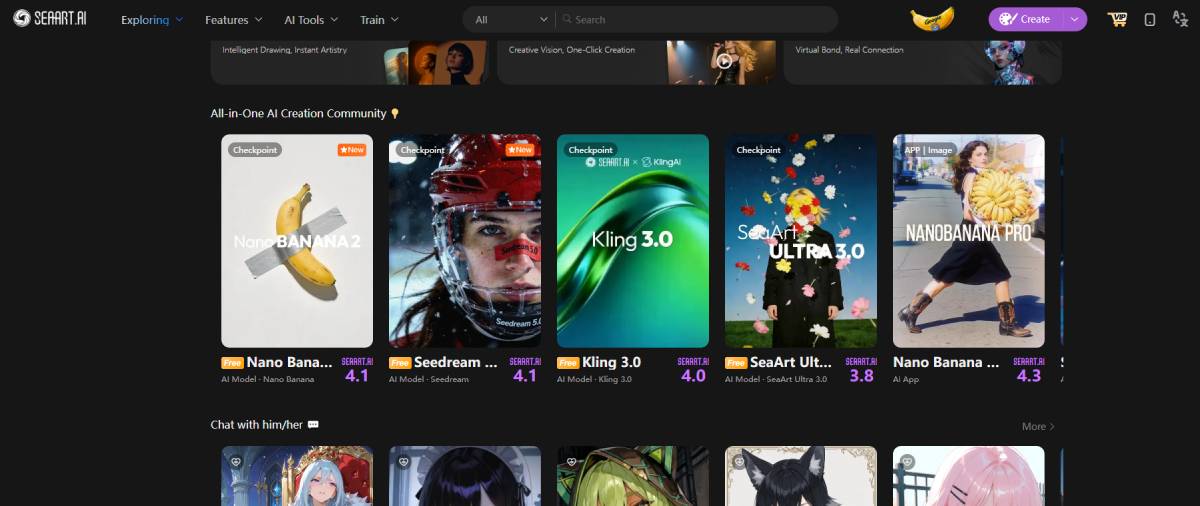
A major development unfolded today as SeaArt AI launched a multi-faceted AI creativity community, offering tools for art generation, video creation, chat, and collaborative projects. The platform targets digital artists, content creators, and enterprises, signalling a strategic push to redefine creative workflows and foster global collaboration in AI-powered media.
SeaArt AI introduces a unified platform combining generative art, video production, and interactive chat tools within a collaborative ecosystem. Users can create AI-driven artwork, animate videos, and exchange ideas in real-time, leveraging integrated creativity tools.
The platform’s launch involves key stakeholders, including AI developers, content creators, and strategic partners across North America, Europe, and Asia. Initial adoption metrics are expected to influence market positioning, with enterprise clients exploring AI-enhanced media production. By consolidating multiple creative tools into one ecosystem, SeaArt AI aims to accelerate productivity, reduce workflow fragmentation, and drive monetization opportunities for both creators and platform investors.
The development aligns with a broader trend across global markets where AI is increasingly integrated into creative industries. Demand for AI-assisted art, video, and media production tools is surging as businesses and individual creators seek efficiency, innovation, and scalable content solutions.
Historically, creative AI tools have been siloed, requiring multiple subscriptions and fragmented workflows. SeaArt AI’s approach addresses this gap by providing an all-in-one platform, enabling seamless collaboration, multi-modal content generation, and community-driven knowledge sharing. The platform emerges amid heightened interest in AI-powered entertainment, digital marketing, and media innovation, where generative AI tools are rapidly becoming strategic assets for enterprises, media agencies, and freelance creators seeking competitive advantage in the global content economy.
Industry analysts highlight that SeaArt AI’s integration of art, video, and collaborative tools positions it as a leading contender in the creative AI market. Experts note that such platforms can significantly reduce production cycles, democratize access to high-quality content creation, and foster cross-border creative collaboration.
Corporate spokespeople emphasize the platform’s flexibility, scalability, and user-centric design, targeting both individual creators and enterprise teams. Analysts also caution that challenges remain around intellectual property, copyright compliance, and ethical use of generative AI content. Market strategists suggest SeaArt AI’s launch could prompt competitors to accelerate multi-tool integration, potentially triggering strategic partnerships or consolidation within the AI creativity space.
For businesses, SeaArt AI represents an opportunity to streamline creative production, reduce operational costs, and enhance brand storytelling through AI-assisted content. Investors may interpret the platform as a signal of accelerating AI adoption in creative industries, influencing capital allocation toward innovative media technologies.
Consumers benefit from expanded access to AI-driven creativity tools, while enterprises must navigate regulatory considerations, including copyright law, content moderation, and ethical AI guidelines. For policymakers, the platform underscores the importance of developing frameworks to manage generative AI in media, ensuring responsible use while supporting innovation in global creative industries.
Decision-makers should monitor adoption rates, platform engagement, and enterprise integrations over the coming months. Competitive response from other AI creativity platforms and regulatory developments around intellectual property and AI ethics will shape market dynamics. While SeaArt AI offers significant creative and operational advantages, uncertainties remain around scalability, community governance, and compliance with evolving AI content regulations. Strategic adoption will likely define leadership in the AI-powered media space.
Source: SeaArt AI
Date: March 2026


