



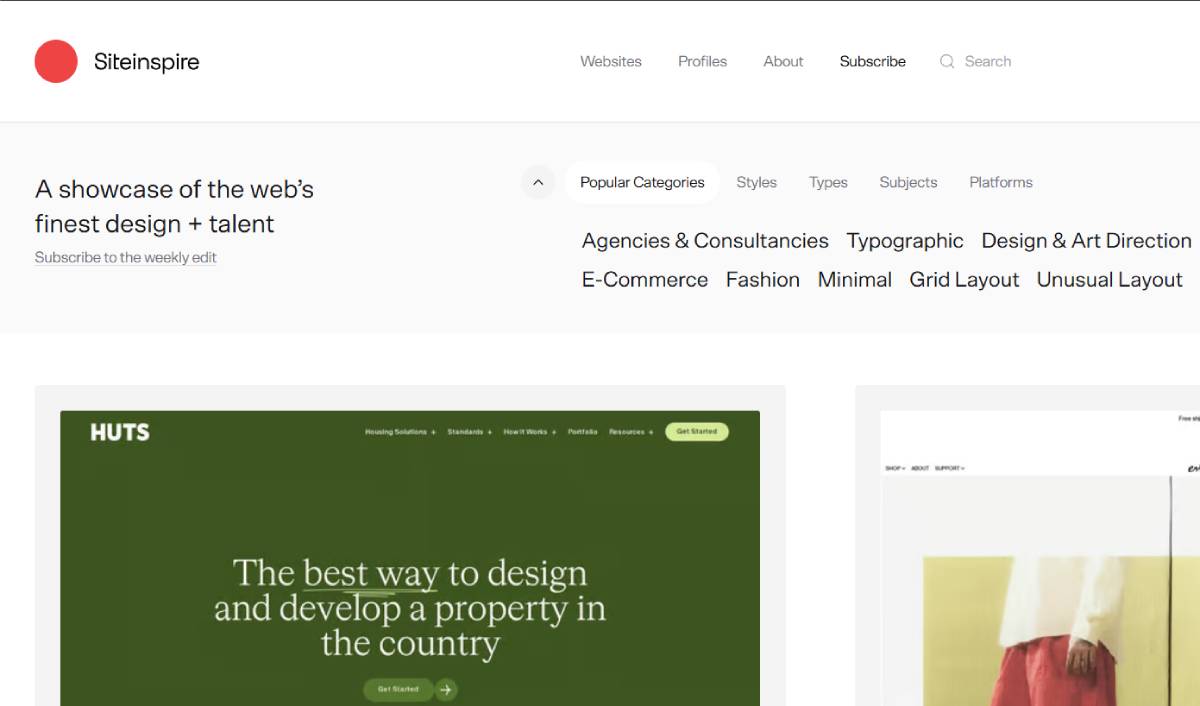
A growing emphasis on digital-first customer experiences is increasing demand for curated web design inspiration platforms. SiteInspire reflects this trend by showcasing high-quality website designs that help designers, developers, creative agencies, and enterprises improve user experience, visual branding, and digital product innovation across global markets.
SiteInspire serves as a curated gallery of professionally designed websites, allowing users to explore projects across industries, design styles, technologies, and creative disciplines. The platform enables designers and digital teams to discover emerging trends, benchmark design quality, and gather inspiration for future web development projects.
Key stakeholders include UX/UI designers, web developers, digital agencies, marketing professionals, startups, and enterprise product teams. As competition intensifies in digital commerce and online services, organizations are increasingly investing in superior web experiences that improve customer engagement, brand perception, and business performance.
The platform reflects growing demand for design-led digital innovation. Website design has become a strategic business asset as organizations compete to attract, retain, and convert digital audiences. User experience (UX), interface design (UI), accessibility, mobile responsiveness, and performance optimization now influence customer satisfaction, search visibility, and commercial success across nearly every industry.
This development aligns with a broader trend across global markets where enterprises increasingly prioritize customer-centric digital transformation. Advances in cloud computing, artificial intelligence, no-code development, and modern frontend technologies have accelerated innovation in website design while raising user expectations for speed, usability, and visual quality.
Businesses are also recognizing that effective design extends beyond aesthetics by supporting stronger brand identity, improved conversion rates, enhanced customer trust, and long-term competitive differentiation in an increasingly digital economy.
Digital experience experts argue that curated design platforms play an important role in accelerating innovation by exposing professionals to diverse creative approaches and evolving design standards. Access to high-quality design references can shorten development cycles while encouraging experimentation with modern interaction patterns and visual storytelling.
UX specialists also emphasize that successful digital products balance creativity with usability, accessibility, performance, and business objectives. While visual inspiration is valuable, organizations should ensure designs remain aligned with customer needs, regulatory accessibility requirements, and measurable user outcomes.
Industry analysts expect artificial intelligence, personalization, immersive interfaces, and responsive design systems to further reshape web development. Designers who combine technical expertise with user-centered thinking are expected to remain highly valuable across industries undergoing digital transformation.
For businesses, investment in high-quality digital design can strengthen customer engagement, improve online conversion rates, and enhance brand competitiveness. Design inspiration platforms support faster creative workflows while helping teams identify emerging industry standards.
Investors continue monitoring companies focused on digital experience technologies as customer expectations increasingly shape purchasing decisions. Policymakers are also encouraging greater compliance with digital accessibility standards, privacy regulations, and inclusive design practices.
For executives, design excellence is evolving into a strategic business capability that directly supports growth, customer retention, and long-term digital competitiveness. Demand for premium digital experiences is expected to grow as AI-powered design tools, personalized interfaces, and evolving customer expectations reshape online engagement. Decision-makers should monitor developments in accessibility standards, web performance optimization, generative AI, and design system adoption. Organizations that combine creativity with user-centric innovation will be better positioned to succeed in an increasingly competitive digital marketplace.
Source: AlternativeTo
Date: July 31, 2026


