
Luxembourg Advances Municipal Digital Transformation

The SIGI Xperience 2026 program focuses on enabling municipalities across Luxembourg to adopt integrated digital solutions that streamline administrative workflows and improve public service delivery.

July 2, 2026
|
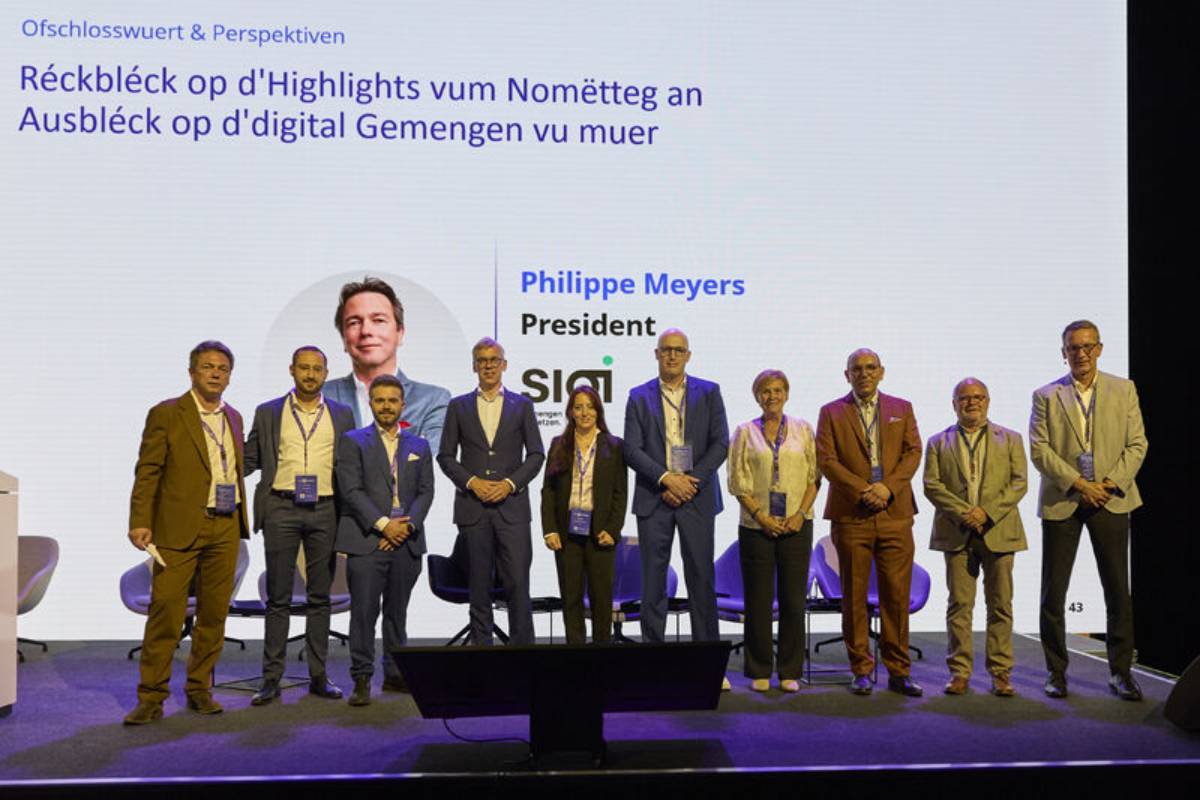
Image Source: Gemengen.lu

A major push toward public-sector digitization is underway in Luxembourg as the SIGI Xperience 2026 initiative accelerates the digital transformation of local municipalities. The program aims to modernize administrative services, improve efficiency, and strengthen citizen engagement through advanced digital infrastructure across communes nationwide.

The SIGI Xperience 2026 program focuses on enabling municipalities across Luxembourg to adopt integrated digital solutions that streamline administrative workflows and improve public service delivery. The initiative brings together local governments, technology providers, and public-sector stakeholders to implement scalable e-governance tools.

Key priorities include digital identity systems, automated administrative processes, and enhanced data interoperability between municipal services. The program is positioned as a coordinated effort to reduce bureaucratic inefficiencies and improve accessibility of public services for citizens. It also reflects increasing investment in smart governance infrastructure designed to support long-term digital modernization of local administrations.

Across Europe, governments are accelerating digital transformation initiatives to modernize public administration, improve transparency, and enhance service efficiency. Municipal-level digitalization has become a critical focus area, as local authorities manage essential services such as civil registration, permits, taxation, and citizen engagement platforms.

Luxembourg has positioned itself as a regional leader in digital governance, leveraging strong infrastructure, high broadband penetration, and supportive regulatory frameworks to implement e-government solutions. The SIGI Xperience initiative aligns with broader European Union objectives for digital public services, interoperability, and cross-border administrative efficiency.

In recent years, rising citizen expectations for faster, more transparent services have pushed municipalities to adopt cloud-based systems and automation tools. This shift is part of a wider transformation in public-sector operations, where data-driven governance and digital platforms are becoming central to service delivery models.

Public administration experts view initiatives like SIGI Xperience 2026 as essential for bridging the digital gap between central governments and local municipalities. Analysts emphasize that successful digital transformation at the municipal level requires not only technology deployment but also organizational change, staff training, and long-term infrastructure planning.

E-governance specialists note that interoperability between systems remains one of the biggest challenges in public-sector digitalization. Ensuring that different municipal platforms can communicate effectively is critical to avoiding fragmented service delivery.

Policy observers highlight that Luxembourg’s approach reflects a broader European trend toward integrated digital governance ecosystems. By focusing on collaboration between municipalities and technology providers, the initiative aims to create scalable frameworks that can be adapted across regions while maintaining compliance with evolving data protection and cybersecurity standards.

For technology providers, the initiative opens opportunities in public-sector digital infrastructure, including cloud platforms, cybersecurity solutions, and civic technology systems tailored for municipal operations.

For municipalities, digital transformation is expected to improve efficiency, reduce administrative costs, and enhance citizen satisfaction through faster and more accessible services.

For policymakers, SIGI Xperience reinforces the importance of coordinated national strategies for digital governance. It also highlights the need for regulatory frameworks that support data interoperability, cybersecurity resilience, and long-term investment in public-sector digital infrastructure across Europe’s evolving e-government landscape.

The success of SIGI Xperience 2026 will depend on execution at the municipal level, including adoption rates, system integration, and workforce readiness. Future developments may expand the initiative into more advanced areas such as AI-assisted public services and predictive governance tools.

If effectively implemented, the program could serve as a model for other European countries seeking to modernize local government operations through scalable digital infrastructure.

Source: Gemengen.lu
Date: July 2, 2026

  • Featured tools
Writesonic AI
Free

Writesonic AI is a versatile AI writing platform designed for marketers, entrepreneurs, and content creators. It helps users create blog posts, ad copies, product descriptions, social media posts, and more with ease. With advanced AI models and user-friendly tools, Writesonic streamlines content production and saves time for busy professionals.

#
Copywriting
Learn more
Hostinger Website Builder
Paid

Hostinger Website Builder is a drag-and-drop website creator bundled with hosting and AI-powered tools, designed for businesses, blogs and small shops with minimal technical effort.It makes launching a site fast and affordable, with templates, responsive design and built-in hosting all in one.

#
Productivity
#
Startup Tools
#
Ecommerce
Learn more

Learn more about future of AI

Join 80,000+ Ai enthusiast getting weekly updates on exciting AI tools.
Thank you! Your submission has been received!
Oops! Something went wrong while submitting the form.

Luxembourg Advances Municipal Digital Transformation

July 2, 2026

The SIGI Xperience 2026 program focuses on enabling municipalities across Luxembourg to adopt integrated digital solutions that streamline administrative workflows and improve public service delivery.

Image Source: Gemengen.lu

A major push toward public-sector digitization is underway in Luxembourg as the SIGI Xperience 2026 initiative accelerates the digital transformation of local municipalities. The program aims to modernize administrative services, improve efficiency, and strengthen citizen engagement through advanced digital infrastructure across communes nationwide.

The SIGI Xperience 2026 program focuses on enabling municipalities across Luxembourg to adopt integrated digital solutions that streamline administrative workflows and improve public service delivery. The initiative brings together local governments, technology providers, and public-sector stakeholders to implement scalable e-governance tools.

Key priorities include digital identity systems, automated administrative processes, and enhanced data interoperability between municipal services. The program is positioned as a coordinated effort to reduce bureaucratic inefficiencies and improve accessibility of public services for citizens. It also reflects increasing investment in smart governance infrastructure designed to support long-term digital modernization of local administrations.

Across Europe, governments are accelerating digital transformation initiatives to modernize public administration, improve transparency, and enhance service efficiency. Municipal-level digitalization has become a critical focus area, as local authorities manage essential services such as civil registration, permits, taxation, and citizen engagement platforms.

Luxembourg has positioned itself as a regional leader in digital governance, leveraging strong infrastructure, high broadband penetration, and supportive regulatory frameworks to implement e-government solutions. The SIGI Xperience initiative aligns with broader European Union objectives for digital public services, interoperability, and cross-border administrative efficiency.

In recent years, rising citizen expectations for faster, more transparent services have pushed municipalities to adopt cloud-based systems and automation tools. This shift is part of a wider transformation in public-sector operations, where data-driven governance and digital platforms are becoming central to service delivery models.

Public administration experts view initiatives like SIGI Xperience 2026 as essential for bridging the digital gap between central governments and local municipalities. Analysts emphasize that successful digital transformation at the municipal level requires not only technology deployment but also organizational change, staff training, and long-term infrastructure planning.

E-governance specialists note that interoperability between systems remains one of the biggest challenges in public-sector digitalization. Ensuring that different municipal platforms can communicate effectively is critical to avoiding fragmented service delivery.

Policy observers highlight that Luxembourg’s approach reflects a broader European trend toward integrated digital governance ecosystems. By focusing on collaboration between municipalities and technology providers, the initiative aims to create scalable frameworks that can be adapted across regions while maintaining compliance with evolving data protection and cybersecurity standards.

For technology providers, the initiative opens opportunities in public-sector digital infrastructure, including cloud platforms, cybersecurity solutions, and civic technology systems tailored for municipal operations.

For municipalities, digital transformation is expected to improve efficiency, reduce administrative costs, and enhance citizen satisfaction through faster and more accessible services.

For policymakers, SIGI Xperience reinforces the importance of coordinated national strategies for digital governance. It also highlights the need for regulatory frameworks that support data interoperability, cybersecurity resilience, and long-term investment in public-sector digital infrastructure across Europe’s evolving e-government landscape.

The success of SIGI Xperience 2026 will depend on execution at the municipal level, including adoption rates, system integration, and workforce readiness. Future developments may expand the initiative into more advanced areas such as AI-assisted public services and predictive governance tools.

If effectively implemented, the program could serve as a model for other European countries seeking to modernize local government operations through scalable digital infrastructure.

Source: Gemengen.lu
Date: July 2, 2026

Promote Your Tool

Copy Embed Code

Similar Blogs

July 2, 2026
|

Swiss Warn Against Rogue Peptides

The Swiss Confederation has cautioned consumers and health professionals about the presence of unregulated peptide products being sold as performance enhancers.
Read more
July 2, 2026
|

Switzerland Pushes Cross Border Framework

Swiss policymakers are evaluating the implementation of updated agreements governing Italian cross-border workers, who represent a significant portion of the workforce in several Swiss regions.
Read more
July 2, 2026
|

Switzerland Delays e-ID Security Upgrade

Swiss authorities have postponed the introduction of the national e-ID system, originally planned as part of the country’s digital transformation agenda.
Read more
July 2, 2026
|

ICEYE Raises €1B Space Eyes

ICEYE, a Finnish space technology company, has raised €1 billion in a major funding round led by General Atlantic.
Read more
July 2, 2026
|

Rotomate Replaces Factory Expertise AI

Rotomate, an industrial AI startup, has raised €2.1 million in pre-seed funding to address a growing workforce challenge in manufacturing: the retirement of experienced factory specialists.
Read more
July 2, 2026
|

Skyfora Builds Telecom Climate Intelligence

Skyfora has secured €6.5 million in fresh funding to expand its satellite-assisted weather intelligence platform. The company leverages GNSS signal distortion data from telecom infrastructure to generate hyper-local weather insights.
Read more