
Spirality Expands Creative Generative Design Tools

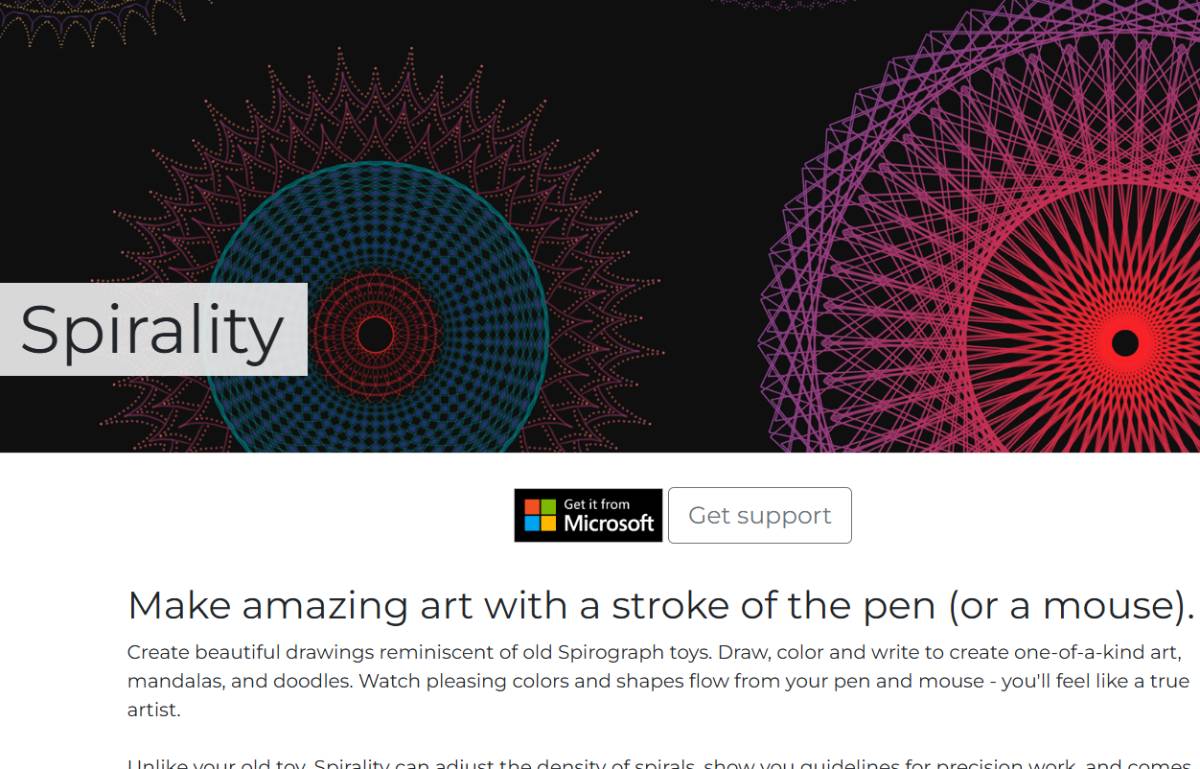
Spirality is a digital creativity tool focused on generating spiral-based artwork, patterns, and visually engaging designs through automated processes.

July 31, 2026
|

The creative technology landscape continues evolving as users and organizations explore innovative digital design tools that simplify visual creation. Spirality represents the growing demand for specialized creative software focused on generating unique patterns, artistic compositions, and visual experiences, reflecting a broader shift toward accessible design automation and digital creativity.

Spirality is a digital creativity tool focused on generating spiral-based artwork, patterns, and visually engaging designs through automated processes. The software enables users to experiment with mathematical structures and artistic concepts without requiring advanced design expertise.

Key stakeholders include digital artists, designers, educators, creative professionals, hobbyists, and technology communities exploring generative design. As interest in algorithm-driven creativity continues expanding, tools like Spirality demonstrate how software can bridge mathematics, programming, and visual expression.

The platform reflects broader growth in accessible creative applications that empower individuals to produce customized digital artwork while encouraging experimentation, learning, and innovation across creative industries.

Generative design and algorithm-assisted creativity have gained significant attention as digital tools become more accessible to professionals and everyday users. From graphic design and digital art to education and scientific visualization, software-driven creativity is transforming how people approach visual production.

This development aligns with a broader trend across global technology markets where automation, artificial intelligence, and computational design are reshaping creative workflows. Designers increasingly use digital tools to explore complex patterns, accelerate experimentation, and develop new forms of visual communication.

Historically, mathematical patterns such as spirals have influenced architecture, nature-inspired design, and artistic movements. Modern software applications bring these concepts into interactive digital environments, allowing users to create sophisticated visuals with minimal technical barriers. As creative technology advances, generative tools are expected to become increasingly integrated into education, marketing, entertainment, and design industries.

Creative technology analysts believe generative design platforms are expanding access to digital creativity by reducing technical barriers for users. These tools allow individuals to explore complex visual concepts while encouraging innovation and experimentation.

Design professionals highlight that algorithm-based applications can complement traditional creative workflows by helping artists generate new ideas, test compositions, and discover unconventional patterns. Educational experts also recognize the value of such tools in teaching relationships between mathematics, technology, and artistic expression.

As computational creativity continues developing, industry specialists expect greater collaboration between designers, software developers, and researchers. The future of digital creativity is likely to involve a combination of human imagination and automated systems that enhance creative possibilities rather than replace artistic decision-making.

For businesses, creative automation tools can support faster ideation, digital marketing development, product visualization, and customer engagement strategies. Companies adopting innovative design technologies may improve creative efficiency while reducing production challenges.

Investors continue watching the expansion of creative software markets as demand grows for digital content creation tools and automation platforms. Policymakers may increasingly focus on areas such as digital education, intellectual property protection, and responsible adoption of emerging creative technologies.

For executives, integrating modern design tools into innovation strategies can help organizations remain competitive in a rapidly changing digital economy. The future of generative design will likely be shaped by advances in artificial intelligence, interactive software, and computational creativity. Decision-makers should monitor how creative tools evolve across industries including education, marketing, entertainment, and digital production. Organizations that combine human creativity with emerging technologies will be better positioned to develop engaging visual experiences and adapt to the next phase of digital innovation.

Source: AlternativeTo
Date: July 31, 2026

  • Featured tools
Figstack AI
Free

Figstack AI is an intelligent assistant for developers that explains code, generates docstrings, converts code between languages, and analyzes time complexity helping you work smarter, not harder.

#
Coding
Learn more
Ai Fiesta
Paid

AI Fiesta is an all-in-one productivity platform that gives users access to multiple leading AI models through a single interface. It includes features like prompt enhancement, image generation, audio transcription and side-by-side model comparison.

#
Copywriting
#
Art Generator
Learn more

Learn more about future of AI

Join 80,000+ Ai enthusiast getting weekly updates on exciting AI tools.
Thank you! Your submission has been received!
Oops! Something went wrong while submitting the form.

Spirality Expands Creative Generative Design Tools

July 31, 2026

Spirality is a digital creativity tool focused on generating spiral-based artwork, patterns, and visually engaging designs through automated processes.

The creative technology landscape continues evolving as users and organizations explore innovative digital design tools that simplify visual creation. Spirality represents the growing demand for specialized creative software focused on generating unique patterns, artistic compositions, and visual experiences, reflecting a broader shift toward accessible design automation and digital creativity.

Spirality is a digital creativity tool focused on generating spiral-based artwork, patterns, and visually engaging designs through automated processes. The software enables users to experiment with mathematical structures and artistic concepts without requiring advanced design expertise.

Key stakeholders include digital artists, designers, educators, creative professionals, hobbyists, and technology communities exploring generative design. As interest in algorithm-driven creativity continues expanding, tools like Spirality demonstrate how software can bridge mathematics, programming, and visual expression.

The platform reflects broader growth in accessible creative applications that empower individuals to produce customized digital artwork while encouraging experimentation, learning, and innovation across creative industries.

Generative design and algorithm-assisted creativity have gained significant attention as digital tools become more accessible to professionals and everyday users. From graphic design and digital art to education and scientific visualization, software-driven creativity is transforming how people approach visual production.

This development aligns with a broader trend across global technology markets where automation, artificial intelligence, and computational design are reshaping creative workflows. Designers increasingly use digital tools to explore complex patterns, accelerate experimentation, and develop new forms of visual communication.

Historically, mathematical patterns such as spirals have influenced architecture, nature-inspired design, and artistic movements. Modern software applications bring these concepts into interactive digital environments, allowing users to create sophisticated visuals with minimal technical barriers. As creative technology advances, generative tools are expected to become increasingly integrated into education, marketing, entertainment, and design industries.

Creative technology analysts believe generative design platforms are expanding access to digital creativity by reducing technical barriers for users. These tools allow individuals to explore complex visual concepts while encouraging innovation and experimentation.

Design professionals highlight that algorithm-based applications can complement traditional creative workflows by helping artists generate new ideas, test compositions, and discover unconventional patterns. Educational experts also recognize the value of such tools in teaching relationships between mathematics, technology, and artistic expression.

As computational creativity continues developing, industry specialists expect greater collaboration between designers, software developers, and researchers. The future of digital creativity is likely to involve a combination of human imagination and automated systems that enhance creative possibilities rather than replace artistic decision-making.

For businesses, creative automation tools can support faster ideation, digital marketing development, product visualization, and customer engagement strategies. Companies adopting innovative design technologies may improve creative efficiency while reducing production challenges.

Investors continue watching the expansion of creative software markets as demand grows for digital content creation tools and automation platforms. Policymakers may increasingly focus on areas such as digital education, intellectual property protection, and responsible adoption of emerging creative technologies.

For executives, integrating modern design tools into innovation strategies can help organizations remain competitive in a rapidly changing digital economy. The future of generative design will likely be shaped by advances in artificial intelligence, interactive software, and computational creativity. Decision-makers should monitor how creative tools evolve across industries including education, marketing, entertainment, and digital production. Organizations that combine human creativity with emerging technologies will be better positioned to develop engaging visual experiences and adapt to the next phase of digital innovation.

Source: AlternativeTo
Date: July 31, 2026

Promote Your Tool

Copy Embed Code

Similar Blogs

July 31, 2026
|

Deep Realms Advances Immersive Digital Experiences

Deep Realms is positioned within the category of immersive digital experiences, offering users a platform focused on exploration, creativity, and interactive engagement.
Read more
July 31, 2026
|

Starbackpage Evolves Digital Marketplace Platforms

Starbackpage is part of the online classified marketplace category, where users can create listings, discover services, and interact through digital platforms.
Read more
July 31, 2026
|

Calyx VPN Strengthens Digital Privacy Security

Calyx VPN is a privacy-focused virtual private network solution designed to provide users with secure internet connections and enhanced online privacy.
Read more
July 31, 2026
|

NoodleTools Enhances Digital Research Productivity

NoodleTools is a research and citation management platform designed to help students and educators organize information, evaluate sources, and create properly formatted citations.
Read more
July 31, 2026
|

Symantec Virtualization Transformed Software Delivery

Symantec Endpoint Virtualization Suite, formerly associated with Altiris Software Virtualization Solution (SVS), was designed to enable organizations to virtualize applications and separate software environments from traditional operating system dependencies.
Read more
July 31, 2026
|

RevPDF Simplifies Secure Document Management

RevPDF is a PDF-focused software solution designed to support document management and processing tasks.
Read more