



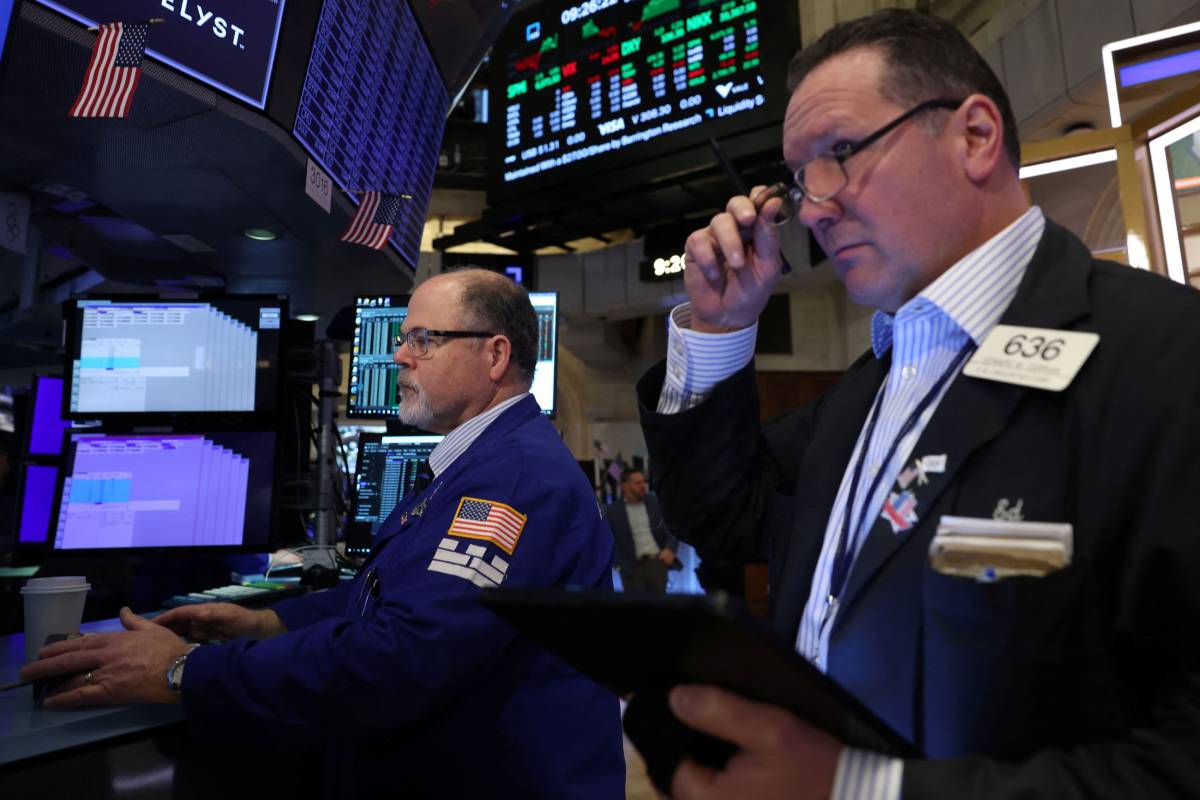
A stronger-than-expected U.S. jobs report jolted global markets, reigniting concerns that the Federal Reserve may keep interest rates higher for longer. Simultaneously, renewed anxiety around artificial intelligence disruption added pressure on tech stocks, creating a volatile mix for investors, corporate leaders, and policymakers navigating an uncertain economic landscape.
The latest U.S. employment data showed job creation surpassing forecasts, reinforcing the resilience of the American labor market. While positive for economic growth, the robust figures dampened hopes for near-term monetary easing by the Federal Reserve.
Equity markets reacted sharply. Major U.S. indices swung amid rising Treasury yields, reflecting recalibrated rate expectations. Technology and AI-linked stocks faced additional volatility as investors weighed elevated valuations and concerns about overcapacity, regulatory scrutiny, and rapid capital expenditure cycles.
Bond markets adjusted swiftly, pricing in a more hawkish stance from policymakers. The dual shock strong macro data and AI-related uncertainty amplified risk-off sentiment across global trading floors.
The development aligns with a broader trend across global markets where good economic news can translate into market stress. Strong labor data signals economic durability but also complicates the Federal Reserve’s inflation-fighting mandate. Persistent wage growth could slow the path toward rate cuts, prolonging tighter financial conditions.
Simultaneously, AI has become both a market driver and a source of fragility. Over the past two years, AI-linked equities have delivered outsized gains, supported by aggressive corporate investment in semiconductors, cloud infrastructure, and generative AI platforms. However, rising valuations have heightened sensitivity to macroeconomic shifts.
Geopolitically, AI competition between major powers has intensified, leading to export controls, supply chain realignments, and increased scrutiny of technology firms. Against this backdrop, markets remain acutely responsive to any signals that could alter growth, liquidity, or innovation trajectories.
Market strategists suggest the strong jobs report complicates the Federal Reserve’s policy calculus. Analysts note that sustained labor market resilience may delay interest rate cuts, reinforcing higher borrowing costs for longer than equity markets had anticipated.
Investment managers argue that AI-driven stocks, while fundamentally strong, remain vulnerable to shifts in liquidity conditions. Elevated multiples require continued earnings acceleration to justify current valuations. Any signs of margin pressure, slower enterprise spending, or regulatory tightening could trigger further corrections.
Economists emphasize that AI-related volatility reflects a market transitioning from speculative enthusiasm to operational reality. Corporate leaders are increasingly focused on monetization and return on investment rather than headline innovation alone. The recalibration suggests markets are entering a more disciplined phase of the AI investment cycle.
For global executives, the interplay between resilient growth and prolonged monetary tightening raises strategic questions around capital allocation, hiring, and technology spending. Higher interest rates increase financing costs, potentially slowing expansion plans.
Investors may rotate toward defensive sectors or cash-generating firms if rate pressures persist. Meanwhile, AI-intensive companies must demonstrate sustainable earnings growth to maintain market confidence.
Policymakers face a delicate balance: supporting innovation while containing inflationary pressures. Governments may also accelerate workforce retraining initiatives as AI adoption reshapes labor dynamics, adding another policy layer to already complex economic management.
Markets will now closely watch upcoming inflation data, Federal Reserve commentary, and corporate earnings guidance particularly from major technology and AI firms. Volatility may persist as investors reassess rate trajectories and growth assumptions.
The coming weeks could determine whether this episode marks a temporary adjustment—or the start of a broader repricing across global equity markets.
Source: CNBC
Date: February 12, 2026


