



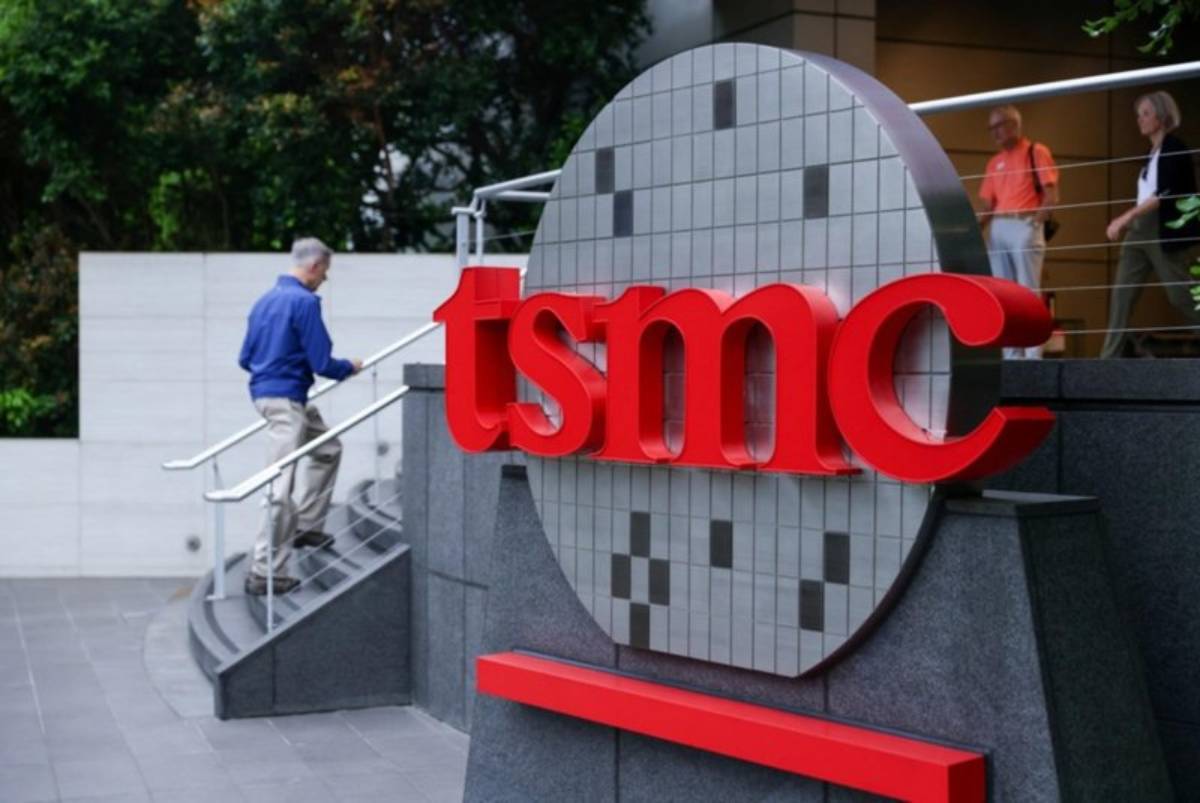
A significant development emerged in the global semiconductor landscape as Taiwan considers stricter controls on exports of advanced artificial intelligence chips and related technologies to China. The move reflects growing concerns over national security, technological competitiveness, and geopolitical tensions surrounding AI infrastructure. If implemented, the measures could affect global supply chains, semiconductor manufacturers, cloud providers, and multinational technology firms that depend on cross-border access to cutting-edge computing hardware.
Taiwanese policymakers are reportedly evaluating new restrictions on the export of advanced AI chips and semiconductor technologies to China. The discussions come amid intensifying efforts by governments worldwide to safeguard strategic technologies viewed as critical to national security and economic competitiveness.
The proposed measures could align Taiwan more closely with export-control frameworks already introduced by the United States and several allied nations. Authorities are examining ways to prevent sensitive AI-related technologies from supporting military modernization or strategic technological advancement in rival jurisdictions.
Major stakeholders include semiconductor manufacturers, AI infrastructure providers, cloud computing firms, and Chinese technology companies seeking access to advanced processing capabilities. Markets are closely monitoring the discussions given Taiwan’s central role in the global semiconductor ecosystem and its influence over AI hardware supply chains.
The development aligns with a broader trend across global markets where governments are increasingly treating advanced semiconductors as strategic assets rather than purely commercial products. AI chips have become a critical component of economic growth, military modernization, scientific research, and next-generation digital infrastructure.
Over the past several years, the United States has implemented multiple rounds of export restrictions aimed at limiting China's access to advanced semiconductor technologies. Washington has argued that cutting-edge chips could be used to accelerate military and surveillance capabilities. In response, China has invested heavily in domestic semiconductor development and AI infrastructure.
Taiwan occupies a unique position within this geopolitical contest. As home to some of the world's most advanced chip manufacturing capabilities, the island plays a pivotal role in supplying processors used in AI training, cloud computing, autonomous systems, and high-performance computing.
The debate also comes as demand for AI computing power continues to surge globally. Technology companies are investing billions of dollars in data centers, AI models, and semiconductor capacity, increasing the strategic importance of access to advanced chips.
Industry analysts view Taiwan's deliberations as part of a broader realignment of technology policy across democratic economies. Experts argue that advanced semiconductor controls are becoming a central tool in managing strategic competition between major powers.
Security specialists contend that governments increasingly view AI chips as dual-use technologies capable of supporting both commercial innovation and military applications. From this perspective, tighter controls represent a preventive measure designed to protect technological advantages and safeguard sensitive intellectual property.
At the same time, market analysts caution that stricter export restrictions could create commercial challenges for chipmakers and equipment suppliers. Limiting access to major international markets may affect revenue growth, investment decisions, and long-term industry planning.
Technology policy experts also note that balancing national security priorities with economic interests remains a difficult challenge. Policymakers must weigh security concerns against the benefits of open global trade, innovation collaboration, and stable supply chains.
For businesses, tighter export controls could reshape procurement strategies, supply-chain planning, and investment decisions throughout the semiconductor and AI sectors. Companies operating across multiple jurisdictions may face increased compliance requirements and regulatory complexity.
Investors are likely to pay close attention to how restrictions affect semiconductor demand, manufacturing capacity, and technology-sector earnings. Firms with significant exposure to Chinese markets could encounter new operational challenges.
From a policy perspective, the discussions highlight the growing intersection of economic security and technology governance. Governments around the world may feel pressure to coordinate export-control frameworks, establish common standards, and strengthen oversight of strategic technologies.
For AI developers and cloud providers, future access to advanced computing resources may increasingly depend on geopolitical considerations rather than purely market-driven factors.
Decision-makers should closely watch whether Taiwan formally adopts tighter export restrictions and how international partners respond. The outcome could influence future semiconductor trade policies across Asia, North America, and Europe.
Key uncertainties include the scope of potential controls, industry reaction, and China's response. As AI becomes a cornerstone of economic and strategic power, semiconductor governance is likely to remain at the center of global technology policy debates for years to come.
Source: UPI
Date: June 2026


