
Trump Backs U.S. Stakes In AI Champions

The proposal remains conceptual rather than a formal policy initiative. However, it has generated discussion among policymakers, investors, and technology executives regarding how governments should engage with private-sector AI champions.

June 8, 2026
|
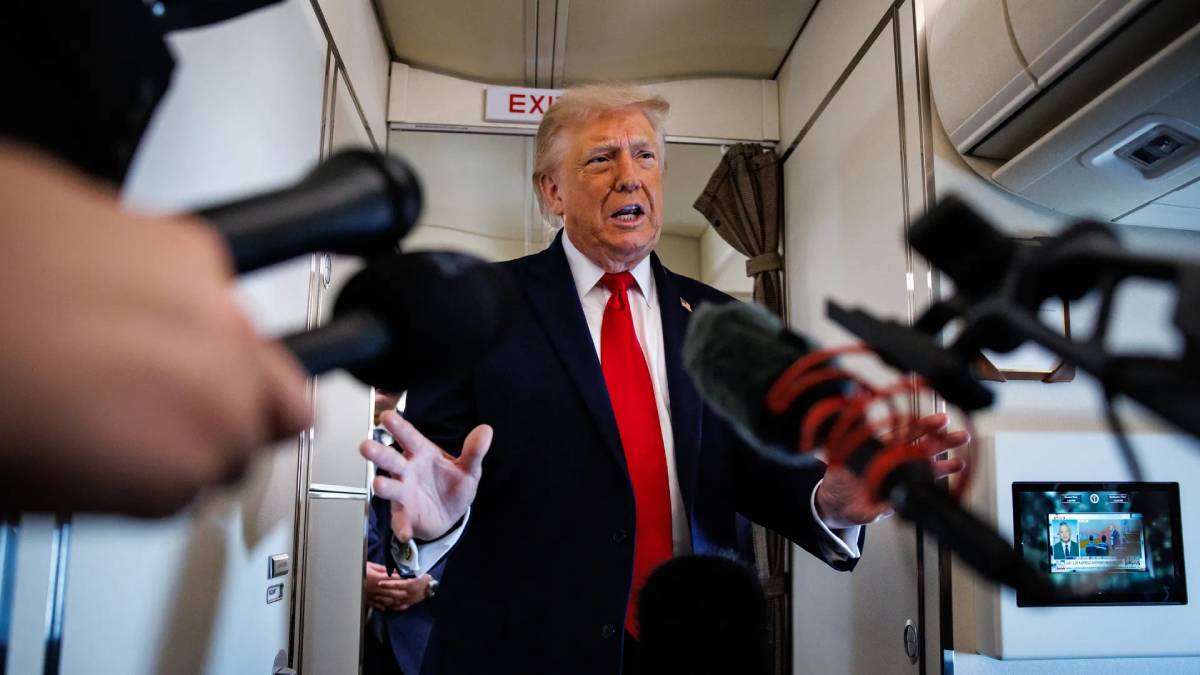
Image Source:  Axios

A significant policy debate emerged this week as U.S. President Donald Trump suggested that government ownership stakes in leading artificial intelligence companies "could be a beautiful thing," highlighting the growing strategic importance of AI in national competitiveness. The remarks underscore how governments are increasingly viewing AI not merely as a commercial technology but as a critical asset tied to economic growth, technological leadership, and geopolitical influence.

President Trump’s comments come amid intensifying global competition for AI leadership, particularly between the United States and China. His remarks raised the possibility of a more active government role in supporting or participating in the growth of major AI firms.

The discussion reflects several broader developments:

  • Escalating global investment in AI infrastructure and research.
  • Growing recognition of AI as a strategic national asset.
  • Increased government interest in shaping AI development.
  • Ongoing debates over industrial policy and technology sovereignty.

The proposal remains conceptual rather than a formal policy initiative. However, it has generated discussion among policymakers, investors, and technology executives regarding how governments should engage with private-sector AI champions and whether public participation could strengthen national competitiveness.

The development aligns with a broader trend across global markets where governments are becoming more directly involved in emerging technologies considered critical to national interests. Historically, strategic sectors such as aerospace, defense, telecommunications, and energy have often benefited from substantial public investment or government-backed initiatives.

Artificial intelligence has increasingly joined that list. Countries worldwide are committing billions of dollars to AI research, semiconductor manufacturing, computing infrastructure, and workforce development. China has established extensive state-supported AI programs, while European nations are pursuing digital sovereignty initiatives designed to reduce dependence on foreign technology providers.

The United States has traditionally relied on private-sector innovation to drive technological leadership. However, recent geopolitical competition, supply-chain concerns, and the rapid rise of generative AI have sparked discussions about whether a more coordinated public-private approach may be necessary.

The debate also reflects concerns that AI leadership will determine future economic productivity, military capabilities, cybersecurity resilience, and long-term geopolitical influence. Policy analysts are divided on the merits of government ownership stakes in AI companies. Supporters argue that public participation could help ensure national access to strategically important technologies while enabling taxpayers to share in the financial benefits of successful innovation.

Some economic experts compare the concept to sovereign investment strategies used in sectors deemed critical to national development. Advocates contend that AI’s transformative potential may justify unconventional policy tools designed to preserve domestic leadership.

Critics, however, warn that government ownership could complicate corporate governance, discourage private investment, or create concerns regarding market competition and regulatory neutrality. They argue that strong innovation ecosystems typically depend on entrepreneurial flexibility and competitive market dynamics.

Industry observers note that the conversation reflects a broader shift in how policymakers view technology companies. Rather than treating AI firms solely as commercial enterprises, governments increasingly regard them as strategic infrastructure providers whose influence extends beyond traditional business considerations.

The remarks are also likely to intensify discussions around AI regulation, public funding mechanisms, and national technology strategies. For technology companies, the prospect of greater government involvement introduces both opportunities and challenges. Public investment could provide access to capital, infrastructure support, and strategic partnerships. However, it may also bring increased oversight, reporting requirements, and political scrutiny.

Investors will closely monitor whether such discussions evolve into formal policy proposals, as government participation could influence valuations, market dynamics, and competitive positioning.

For policymakers, the debate raises important questions about balancing innovation with national interests. Governments must determine how best to support AI leadership without undermining market efficiency or entrepreneurial growth.

For global executives, the shift could signal a future where AI companies operate within increasingly strategic frameworks shaped by national economic priorities, security considerations, and international competition.

The discussion surrounding government stakes in AI companies is likely to gain momentum as nations compete for technological leadership. Decision-makers will watch whether policymakers move beyond rhetoric toward concrete investment frameworks, incentives, or public-private partnership models.

The broader question remains unresolved: should AI champions remain purely market-driven enterprises, or will governments play a more direct ownership role in shaping the next generation of technological powerhouses? The answer could redefine the relationship between innovation, capital, and national strategy in the AI era.

Source: Axios
Date:
June 6, 2026

  • Featured tools
Alli AI
Free

Alli AI is an all-in-one, AI-powered SEO automation platform that streamlines on-page optimization, site auditing, speed improvements, schema generation, internal linking, and ranking insights.

#
SEO
Learn more
Surfer AI
Free

Surfer AI is an AI-powered content creation assistant built into the Surfer SEO platform, designed to generate SEO-optimized articles from prompts, leveraging data from search results to inform tone, structure, and relevance.

#
SEO
Learn more

Learn more about future of AI

Join 80,000+ Ai enthusiast getting weekly updates on exciting AI tools.
Thank you! Your submission has been received!
Oops! Something went wrong while submitting the form.

Trump Backs U.S. Stakes In AI Champions

June 8, 2026

The proposal remains conceptual rather than a formal policy initiative. However, it has generated discussion among policymakers, investors, and technology executives regarding how governments should engage with private-sector AI champions.

Image Source:  Axios

A significant policy debate emerged this week as U.S. President Donald Trump suggested that government ownership stakes in leading artificial intelligence companies "could be a beautiful thing," highlighting the growing strategic importance of AI in national competitiveness. The remarks underscore how governments are increasingly viewing AI not merely as a commercial technology but as a critical asset tied to economic growth, technological leadership, and geopolitical influence.

President Trump’s comments come amid intensifying global competition for AI leadership, particularly between the United States and China. His remarks raised the possibility of a more active government role in supporting or participating in the growth of major AI firms.

The discussion reflects several broader developments:

  • Escalating global investment in AI infrastructure and research.
  • Growing recognition of AI as a strategic national asset.
  • Increased government interest in shaping AI development.
  • Ongoing debates over industrial policy and technology sovereignty.

The proposal remains conceptual rather than a formal policy initiative. However, it has generated discussion among policymakers, investors, and technology executives regarding how governments should engage with private-sector AI champions and whether public participation could strengthen national competitiveness.

The development aligns with a broader trend across global markets where governments are becoming more directly involved in emerging technologies considered critical to national interests. Historically, strategic sectors such as aerospace, defense, telecommunications, and energy have often benefited from substantial public investment or government-backed initiatives.

Artificial intelligence has increasingly joined that list. Countries worldwide are committing billions of dollars to AI research, semiconductor manufacturing, computing infrastructure, and workforce development. China has established extensive state-supported AI programs, while European nations are pursuing digital sovereignty initiatives designed to reduce dependence on foreign technology providers.

The United States has traditionally relied on private-sector innovation to drive technological leadership. However, recent geopolitical competition, supply-chain concerns, and the rapid rise of generative AI have sparked discussions about whether a more coordinated public-private approach may be necessary.

The debate also reflects concerns that AI leadership will determine future economic productivity, military capabilities, cybersecurity resilience, and long-term geopolitical influence. Policy analysts are divided on the merits of government ownership stakes in AI companies. Supporters argue that public participation could help ensure national access to strategically important technologies while enabling taxpayers to share in the financial benefits of successful innovation.

Some economic experts compare the concept to sovereign investment strategies used in sectors deemed critical to national development. Advocates contend that AI’s transformative potential may justify unconventional policy tools designed to preserve domestic leadership.

Critics, however, warn that government ownership could complicate corporate governance, discourage private investment, or create concerns regarding market competition and regulatory neutrality. They argue that strong innovation ecosystems typically depend on entrepreneurial flexibility and competitive market dynamics.

Industry observers note that the conversation reflects a broader shift in how policymakers view technology companies. Rather than treating AI firms solely as commercial enterprises, governments increasingly regard them as strategic infrastructure providers whose influence extends beyond traditional business considerations.

The remarks are also likely to intensify discussions around AI regulation, public funding mechanisms, and national technology strategies. For technology companies, the prospect of greater government involvement introduces both opportunities and challenges. Public investment could provide access to capital, infrastructure support, and strategic partnerships. However, it may also bring increased oversight, reporting requirements, and political scrutiny.

Investors will closely monitor whether such discussions evolve into formal policy proposals, as government participation could influence valuations, market dynamics, and competitive positioning.

For policymakers, the debate raises important questions about balancing innovation with national interests. Governments must determine how best to support AI leadership without undermining market efficiency or entrepreneurial growth.

For global executives, the shift could signal a future where AI companies operate within increasingly strategic frameworks shaped by national economic priorities, security considerations, and international competition.

The discussion surrounding government stakes in AI companies is likely to gain momentum as nations compete for technological leadership. Decision-makers will watch whether policymakers move beyond rhetoric toward concrete investment frameworks, incentives, or public-private partnership models.

The broader question remains unresolved: should AI champions remain purely market-driven enterprises, or will governments play a more direct ownership role in shaping the next generation of technological powerhouses? The answer could redefine the relationship between innovation, capital, and national strategy in the AI era.

Source: Axios
Date:
June 6, 2026

Promote Your Tool

Copy Embed Code

Similar Blogs

June 8, 2026
|

Legora Tech Chief Slams Tokenmaxxing AI Debate Intensifies

The chief technology officer of Legora publicly criticized the emerging practice known as “tokenmaxxing,” describing it as an inefficient and misguided approach to encouraging artificial intelligence usage.
Read more
June 8, 2026
|

JPMorgan Boosts AI Strategy Leadership Hire

JPMorgan Chase has reportedly hired Nomura’s international AI strategy chief to strengthen its global artificial intelligence roadmap.
Read more
June 8, 2026
|

Chrome AI Strategy Sparks Privacy Debate

Reports indicate that Google Chrome may have downloaded a substantial AI model estimated at several gigabytes onto user systems without explicit user awareness.
Read more
June 8, 2026
|

Altman Trump Meeting Raises AI Stakes

Sam Altman reportedly met with Donald Trump following discussion around a recent U.S. executive order on artificial intelligence that, according to reports, imposes limited direct requirements on industry players.
Read more
June 8, 2026
|

Apple AI Settlement Opens User Claims Window

Apple has agreed to a $250 million settlement addressing claims tied to AI-driven iPhone functionalities and user impact concerns. Eligible users may now file claims within a defined submission window.
Read more
June 8, 2026
|

Microsoft AI Expansion Sparks Backlash Energy Impact

During a recent event where Microsoft showcased its latest AI advancements, protesters gathered outside opposing the expansion of large-scale AI data centers.
Read more