
Acuity Scheduling Advances Digital Appointment

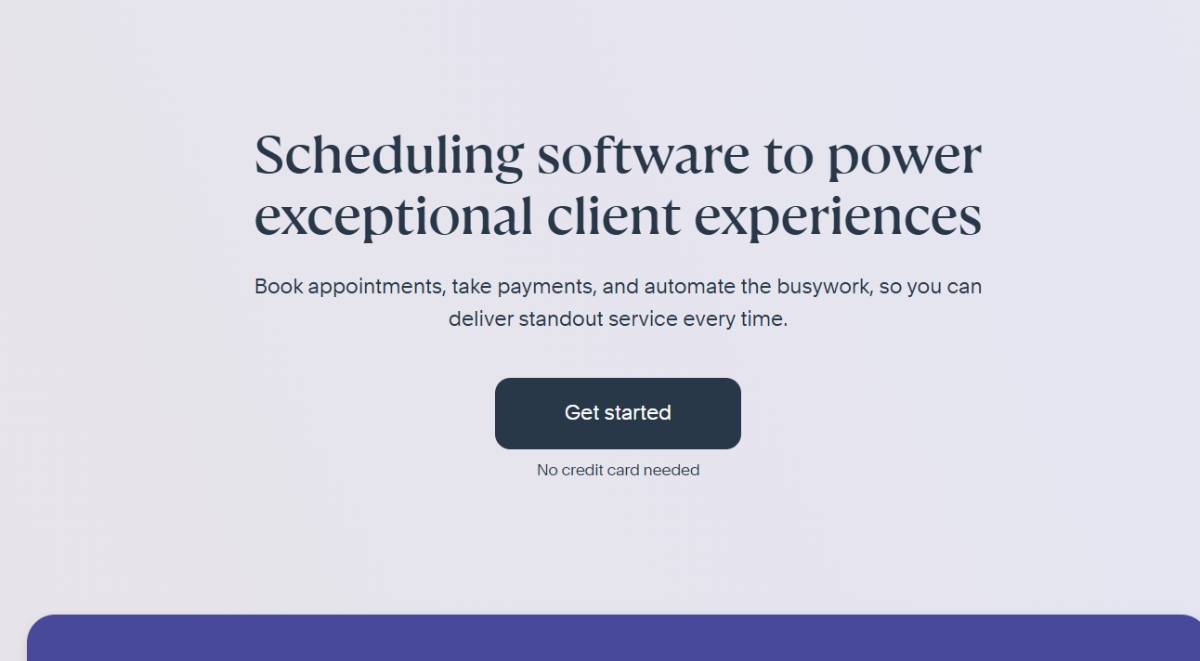
Acuity Scheduling provides businesses with online appointment booking, calendar management, automated reminders, payment collection and client management capabilities.

August 12, 2026
|

Acuity Scheduling is strengthening digital appointment management by giving businesses a centralized platform for scheduling, payments, client communications and service administration. The solution targets organizations seeking to replace manual booking processes with automated workflows, helping service providers improve customer access, reduce administrative workloads and create more consistent appointment experiences across digital channels.

Acuity Scheduling provides businesses with online appointment booking, calendar management, automated reminders, payment collection and client management capabilities. Customers can access scheduling pages and book appointments based on real-time availability, reducing the need for back-and-forth communication.

The platform also supports recurring appointments, packages, memberships, intake forms and automated client communications. Businesses can integrate scheduling into their websites and manage appointments across different calendars.

For service-based organizations, the combination of scheduling and payment functionality creates a more connected customer journey, linking appointment selection with deposits, payments and follow-up processes.

The expansion of digital scheduling reflects a broader shift in how service businesses manage customer interactions. Consumers increasingly expect to book appointments online without calling, emailing or waiting for confirmation, while businesses are under pressure to operate efficiently with fewer administrative resources.

Scheduling has consequently moved beyond a simple calendar function. Modern platforms increasingly combine appointment management with payments, customer records, reminders, forms and business workflows.

Acuity Scheduling addresses this trend by providing a centralized system for businesses that operate around appointments. Its capabilities can be applied across professional services, health and wellness, beauty, education, consulting and other appointment-driven industries.

For smaller businesses in particular, automation can have a meaningful operational impact. Automated confirmations and reminders can reduce manual coordination, while online payments and intake forms can shift administrative tasks away from staff.

The broader business implication is the transformation of scheduling from an administrative necessity into a digital customer-experience channel. Acuity Scheduling's value proposition centers on reducing the administrative burden associated with appointment-based businesses. By allowing clients to schedule independently, businesses can maintain availability and customer information through a centralized system.

Industry observers increasingly view self-service scheduling as an important part of digital customer experience. Customers gain greater control over when and how they interact with service providers, while organizations can make appointment availability accessible beyond traditional operating hours.

Automated reminders are another important component. Reducing missed appointments can directly affect revenue for businesses where unused time slots cannot easily be resold.

For executives, the strategic question extends beyond convenience. The effectiveness of scheduling technology depends on how well it integrates with payment systems, calendars, websites, customer communications and existing operational processes. Businesses must also consider customer adoption and the quality of the booking experience across devices.

For businesses, digital scheduling can reduce repetitive administrative work while allowing customers to access appointments at their convenience. Payment collection, reminders and automated communications can further streamline daily operations.

For service providers, the potential commercial benefit is greater visibility into appointment demand and more efficient use of staff capacity. Online booking can also create opportunities to collect customer information before appointments and establish structured follow-up workflows.

Executives should evaluate integration capabilities, payment requirements, customer-data handling, calendar synchronization and pricing before adopting or expanding scheduling technology.

From a policy perspective, businesses handling customer information should also maintain appropriate privacy and security practices. As scheduling platforms increasingly manage payments and personal information, governance around access, data retention and digital security becomes an important operational consideration.

The scheduling market is likely to continue moving toward automation, integrated payments and personalized customer engagement. Acuity Scheduling is positioned within this broader transition as appointment-driven organizations seek more efficient digital operations. Decision-makers should watch developments in AI-assisted scheduling, workflow automation, customer analytics and deeper integrations, particularly as businesses look to turn booking systems into broader customer-management platforms.

Source: Acuity Scheduling
Date: August 12, 2026

  • Featured tools
Ai Fiesta
Paid

AI Fiesta is an all-in-one productivity platform that gives users access to multiple leading AI models through a single interface. It includes features like prompt enhancement, image generation, audio transcription and side-by-side model comparison.

#
Copywriting
#
Art Generator
Learn more
Murf Ai
Free

Murf AI Review – Advanced AI Voice Generator for Realistic Voiceovers

#
Text to Speech
Learn more

Learn more about future of AI

Join 80,000+ Ai enthusiast getting weekly updates on exciting AI tools.
Thank you! Your submission has been received!
Oops! Something went wrong while submitting the form.

Acuity Scheduling Advances Digital Appointment

August 12, 2026

Acuity Scheduling provides businesses with online appointment booking, calendar management, automated reminders, payment collection and client management capabilities.

Acuity Scheduling is strengthening digital appointment management by giving businesses a centralized platform for scheduling, payments, client communications and service administration. The solution targets organizations seeking to replace manual booking processes with automated workflows, helping service providers improve customer access, reduce administrative workloads and create more consistent appointment experiences across digital channels.

Acuity Scheduling provides businesses with online appointment booking, calendar management, automated reminders, payment collection and client management capabilities. Customers can access scheduling pages and book appointments based on real-time availability, reducing the need for back-and-forth communication.

The platform also supports recurring appointments, packages, memberships, intake forms and automated client communications. Businesses can integrate scheduling into their websites and manage appointments across different calendars.

For service-based organizations, the combination of scheduling and payment functionality creates a more connected customer journey, linking appointment selection with deposits, payments and follow-up processes.

The expansion of digital scheduling reflects a broader shift in how service businesses manage customer interactions. Consumers increasingly expect to book appointments online without calling, emailing or waiting for confirmation, while businesses are under pressure to operate efficiently with fewer administrative resources.

Scheduling has consequently moved beyond a simple calendar function. Modern platforms increasingly combine appointment management with payments, customer records, reminders, forms and business workflows.

Acuity Scheduling addresses this trend by providing a centralized system for businesses that operate around appointments. Its capabilities can be applied across professional services, health and wellness, beauty, education, consulting and other appointment-driven industries.

For smaller businesses in particular, automation can have a meaningful operational impact. Automated confirmations and reminders can reduce manual coordination, while online payments and intake forms can shift administrative tasks away from staff.

The broader business implication is the transformation of scheduling from an administrative necessity into a digital customer-experience channel. Acuity Scheduling's value proposition centers on reducing the administrative burden associated with appointment-based businesses. By allowing clients to schedule independently, businesses can maintain availability and customer information through a centralized system.

Industry observers increasingly view self-service scheduling as an important part of digital customer experience. Customers gain greater control over when and how they interact with service providers, while organizations can make appointment availability accessible beyond traditional operating hours.

Automated reminders are another important component. Reducing missed appointments can directly affect revenue for businesses where unused time slots cannot easily be resold.

For executives, the strategic question extends beyond convenience. The effectiveness of scheduling technology depends on how well it integrates with payment systems, calendars, websites, customer communications and existing operational processes. Businesses must also consider customer adoption and the quality of the booking experience across devices.

For businesses, digital scheduling can reduce repetitive administrative work while allowing customers to access appointments at their convenience. Payment collection, reminders and automated communications can further streamline daily operations.

For service providers, the potential commercial benefit is greater visibility into appointment demand and more efficient use of staff capacity. Online booking can also create opportunities to collect customer information before appointments and establish structured follow-up workflows.

Executives should evaluate integration capabilities, payment requirements, customer-data handling, calendar synchronization and pricing before adopting or expanding scheduling technology.

From a policy perspective, businesses handling customer information should also maintain appropriate privacy and security practices. As scheduling platforms increasingly manage payments and personal information, governance around access, data retention and digital security becomes an important operational consideration.

The scheduling market is likely to continue moving toward automation, integrated payments and personalized customer engagement. Acuity Scheduling is positioned within this broader transition as appointment-driven organizations seek more efficient digital operations. Decision-makers should watch developments in AI-assisted scheduling, workflow automation, customer analytics and deeper integrations, particularly as businesses look to turn booking systems into broader customer-management platforms.

Source: Acuity Scheduling
Date: August 12, 2026

Promote Your Tool

Copy Embed Code

Similar Blogs

August 12, 2026
|

Calendar Software Reshapes Digital Workflows Efficiently

Modern calendar and scheduling platforms increasingly extend beyond basic appointment management. Core capabilities include shared calendars, automated scheduling, availability coordination.
Read more
August 12, 2026
|

Bomgar Advances Secure Remote IT Access

Bomgar, now associated with BeyondTrust's remote support portfolio, has built its technology around secure remote access for enterprise IT and customer support operations.
Read more
August 12, 2026
|

Acuity Scheduling Advances Digital Appointment

Acuity Scheduling provides businesses with online appointment booking, calendar management, automated reminders, payment collection and client management capabilities.
Read more
August 12, 2026
|

Acronis Advances Integrated Cloud Cybersecurity Solutions

Acronis Cyber Protect Cloud combines cybersecurity, data protection, endpoint management and disaster recovery within a unified platform for managed service providers.
Read more
August 12, 2026
|

FixMe.IT Advances Digital IT Management

FixMe.IT provides organizations with tools for managing IT help desk operations, service requests, incidents, problems and technology assets.
Read more
August 12, 2026
|

Vyond Advances AI Enterprise Video Creation

Vyond provides organizations with tools for creating animated, mixed-media and AI-assisted videos across business functions.
Read more