
AI Automation Fears Rise at WiseTech

WiseTech staff were left uncertain about future roles after internal messaging suggested AI systems could replace aspects of human creative and technical work.

May 7, 2026
|
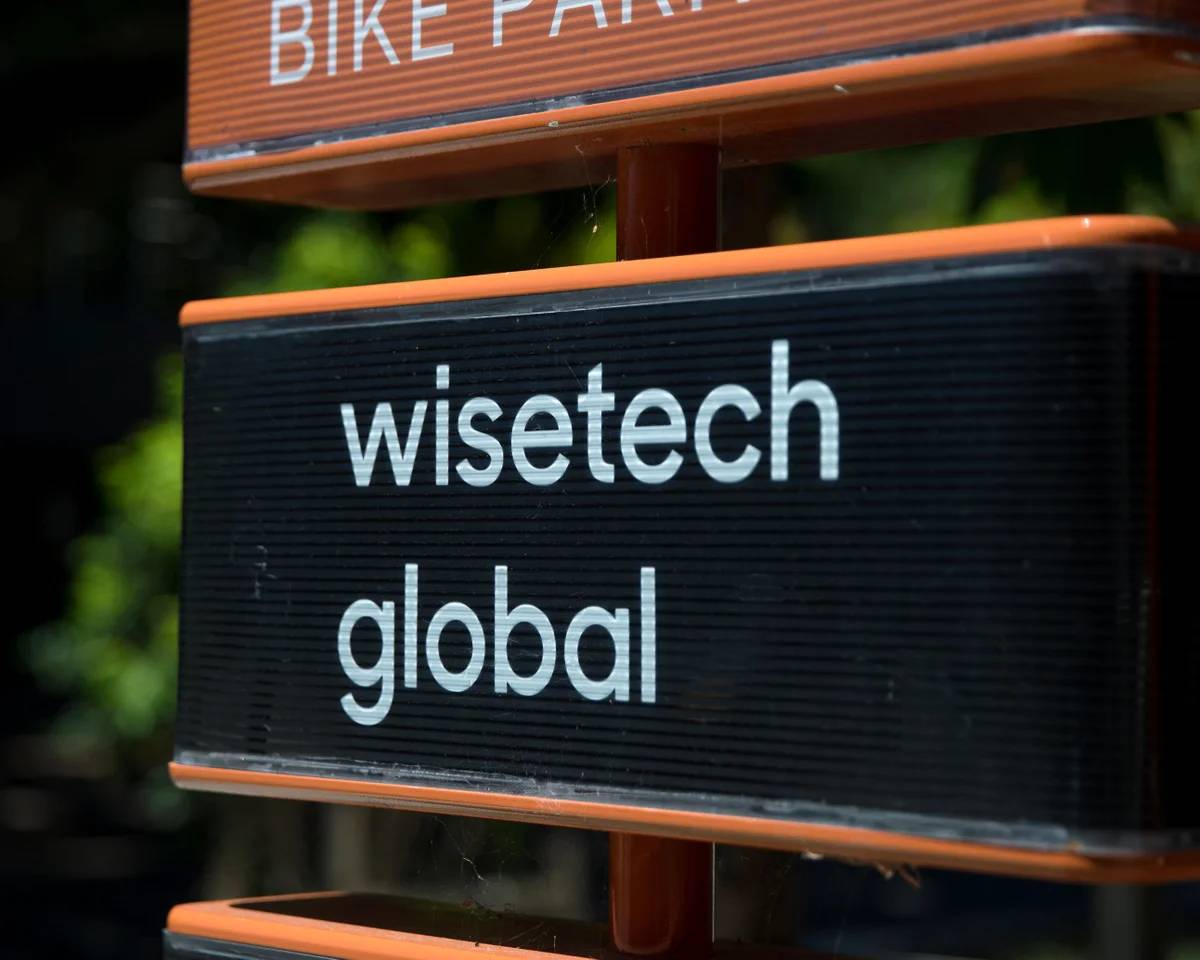
Image Source: The Guardian

Fresh concerns over AI-driven workforce disruption emerged after reports that employees at WiseTech Global were told artificial intelligence could outperform human labor in parts of the company’s operations. The controversy highlights growing tensions between enterprise AI adoption, workforce stability, and corporate restructuring strategies across the global technology sector.

According to reports, WiseTech staff were left uncertain about future roles after internal messaging suggested AI systems could replace aspects of human creative and technical work. Employees reportedly described confusion and anxiety over how automation initiatives may affect job security and long-term career prospects.

The debate emerged as corporations worldwide accelerate investment in generative AI tools designed to improve productivity, reduce costs, and streamline software development workflows. WiseTech, a logistics software company with a growing global footprint, is among firms integrating AI deeper into operational processes.

The situation has reignited broader discussions around labor displacement, executive communication, and the pace of enterprise AI transformation. The controversy reflects a wider shift across global industries as businesses deploy generative AI technologies into coding, design, analytics, customer service, and operational management. Companies increasingly view AI as a productivity multiplier capable of reducing costs and improving efficiency at scale.

Since the emergence of advanced generative AI systems, technology firms and investors have aggressively pursued automation strategies aimed at boosting competitiveness. However, this transition has also intensified fears around workforce displacement, especially in white-collar and knowledge-based professions previously considered resistant to automation.

The debate arrives amid broader economic uncertainty and rising pressure on corporations to improve margins and operational efficiency. Across sectors, executives are balancing investor demands for AI adoption with concerns about employee morale, organizational trust, and regulatory scrutiny.

Historically, technological revolutions have reshaped labor markets gradually, but generative AI is accelerating the timeline for workforce transformation in unprecedented ways. Labor analysts argue that the WiseTech controversy demonstrates the growing disconnect between executive enthusiasm for AI and employee concerns over long-term relevance in increasingly automated workplaces. Experts warn that poorly managed communication around AI deployment can damage corporate culture and weaken talent retention.

Technology strategists note that while AI can automate repetitive tasks and enhance productivity, most enterprises still require significant human oversight, particularly for high-value decision-making, creativity, and customer engagement. Many analysts believe the near-term future is more likely to involve hybrid human-AI collaboration rather than complete replacement.

Industry observers also emphasize that AI adoption strategies are becoming a board-level priority, driven by competitive pressures and shareholder expectations. At the same time, policymakers and labor groups are pushing for stronger safeguards around transparency, retraining programs, and ethical automation practices.

For businesses, the WiseTech case underscores the importance of balancing AI-driven efficiency goals with workforce communication and organizational trust. Companies pursuing aggressive automation strategies may face reputational risks, employee backlash, and retention challenges if transitions are poorly managed.

For investors, the story reinforces expectations that AI will continue reshaping corporate cost structures and operational models. Firms perceived as AI leaders could attract stronger market confidence, though workforce instability may create execution risks.

Governments and regulators are also likely to intensify scrutiny of AI-related labor impacts. Policymakers may increasingly consider frameworks tied to workforce retraining, transparency obligations, and protections for employees affected by large-scale automation initiatives.

Attention will now focus on how companies navigate the balance between AI acceleration and workforce stability. Executives across industries are expected to face growing pressure to demonstrate responsible automation strategies while maintaining competitiveness. Investors, regulators, and employees alike will be watching whether AI evolves primarily as a collaborative productivity tool or as a catalyst for deeper structural disruption across white-collar employment markets.

Source: The Guardian
Date: 07 May 2026

  • Featured tools
Figstack AI
Free

Figstack AI is an intelligent assistant for developers that explains code, generates docstrings, converts code between languages, and analyzes time complexity helping you work smarter, not harder.

#
Coding
Learn more
Beautiful AI
Free

Beautiful AI is an AI-powered presentation platform that automates slide design and formatting, enabling users to create polished, on-brand presentations quickly.

#
Presentation
Learn more

Learn more about future of AI

Join 80,000+ Ai enthusiast getting weekly updates on exciting AI tools.
Thank you! Your submission has been received!
Oops! Something went wrong while submitting the form.

AI Automation Fears Rise at WiseTech

May 7, 2026

WiseTech staff were left uncertain about future roles after internal messaging suggested AI systems could replace aspects of human creative and technical work.

Image Source: The Guardian

Fresh concerns over AI-driven workforce disruption emerged after reports that employees at WiseTech Global were told artificial intelligence could outperform human labor in parts of the company’s operations. The controversy highlights growing tensions between enterprise AI adoption, workforce stability, and corporate restructuring strategies across the global technology sector.

According to reports, WiseTech staff were left uncertain about future roles after internal messaging suggested AI systems could replace aspects of human creative and technical work. Employees reportedly described confusion and anxiety over how automation initiatives may affect job security and long-term career prospects.

The debate emerged as corporations worldwide accelerate investment in generative AI tools designed to improve productivity, reduce costs, and streamline software development workflows. WiseTech, a logistics software company with a growing global footprint, is among firms integrating AI deeper into operational processes.

The situation has reignited broader discussions around labor displacement, executive communication, and the pace of enterprise AI transformation. The controversy reflects a wider shift across global industries as businesses deploy generative AI technologies into coding, design, analytics, customer service, and operational management. Companies increasingly view AI as a productivity multiplier capable of reducing costs and improving efficiency at scale.

Since the emergence of advanced generative AI systems, technology firms and investors have aggressively pursued automation strategies aimed at boosting competitiveness. However, this transition has also intensified fears around workforce displacement, especially in white-collar and knowledge-based professions previously considered resistant to automation.

The debate arrives amid broader economic uncertainty and rising pressure on corporations to improve margins and operational efficiency. Across sectors, executives are balancing investor demands for AI adoption with concerns about employee morale, organizational trust, and regulatory scrutiny.

Historically, technological revolutions have reshaped labor markets gradually, but generative AI is accelerating the timeline for workforce transformation in unprecedented ways. Labor analysts argue that the WiseTech controversy demonstrates the growing disconnect between executive enthusiasm for AI and employee concerns over long-term relevance in increasingly automated workplaces. Experts warn that poorly managed communication around AI deployment can damage corporate culture and weaken talent retention.

Technology strategists note that while AI can automate repetitive tasks and enhance productivity, most enterprises still require significant human oversight, particularly for high-value decision-making, creativity, and customer engagement. Many analysts believe the near-term future is more likely to involve hybrid human-AI collaboration rather than complete replacement.

Industry observers also emphasize that AI adoption strategies are becoming a board-level priority, driven by competitive pressures and shareholder expectations. At the same time, policymakers and labor groups are pushing for stronger safeguards around transparency, retraining programs, and ethical automation practices.

For businesses, the WiseTech case underscores the importance of balancing AI-driven efficiency goals with workforce communication and organizational trust. Companies pursuing aggressive automation strategies may face reputational risks, employee backlash, and retention challenges if transitions are poorly managed.

For investors, the story reinforces expectations that AI will continue reshaping corporate cost structures and operational models. Firms perceived as AI leaders could attract stronger market confidence, though workforce instability may create execution risks.

Governments and regulators are also likely to intensify scrutiny of AI-related labor impacts. Policymakers may increasingly consider frameworks tied to workforce retraining, transparency obligations, and protections for employees affected by large-scale automation initiatives.

Attention will now focus on how companies navigate the balance between AI acceleration and workforce stability. Executives across industries are expected to face growing pressure to demonstrate responsible automation strategies while maintaining competitiveness. Investors, regulators, and employees alike will be watching whether AI evolves primarily as a collaborative productivity tool or as a catalyst for deeper structural disruption across white-collar employment markets.

Source: The Guardian
Date: 07 May 2026

Promote Your Tool

Copy Embed Code

Similar Blogs

June 24, 2026
|

Luxembourg Expands Innovation Funding Push

Luxembourg's innovation ecosystem is drawing attention to a broad range of grants and public support mechanisms designed to strengthen business competitiveness.
Read more
June 24, 2026
|

Luxembourg Achieves AI Literacy Milestone

Luxembourg has reached a symbolic benchmark in its national AI education campaign, with approximately 1% of residents completing the Elements of AI course.
Read more
June 24, 2026
|

AI Driven Hiring Transformation Advances

Daniel Stoica has positioned himself at the forefront of efforts to modernize recruitment by addressing structural problems that have long affected employers and job seekers alike.
Read more
June 24, 2026
|

Luxembourg Strengthens Space Innovation Ambitions

The 2026 Asteroid Day Festival is scheduled to return to Luxembourg with a program designed to engage both industry professionals and the public.
Read more
June 24, 2026
|

Luxembourg Tech Ecosystem Gains Momentum

The release of Silicon Luxembourg Magazine’s Summer 2026 edition provides a comprehensive snapshot of the country’s evolving technology ecosystem.
Read more
June 24, 2026
|

Europe Boosts Startup Growth Ambitions

Fit 4 Start has officially opened applications for its 17th cohort, inviting startups operating in areas such as artificial intelligence, digital technologies, health technology, sustainability, and deep-tech innovation.
Read more