
AI Chatbots Raise Concerns as Teens Turn to Digital Companions

AI chatbots are increasingly becoming near-constant companions for teenagers, prompting concerns among parents, educators, and child development experts. The rapid integration of conversational AI.

January 14, 2026
|

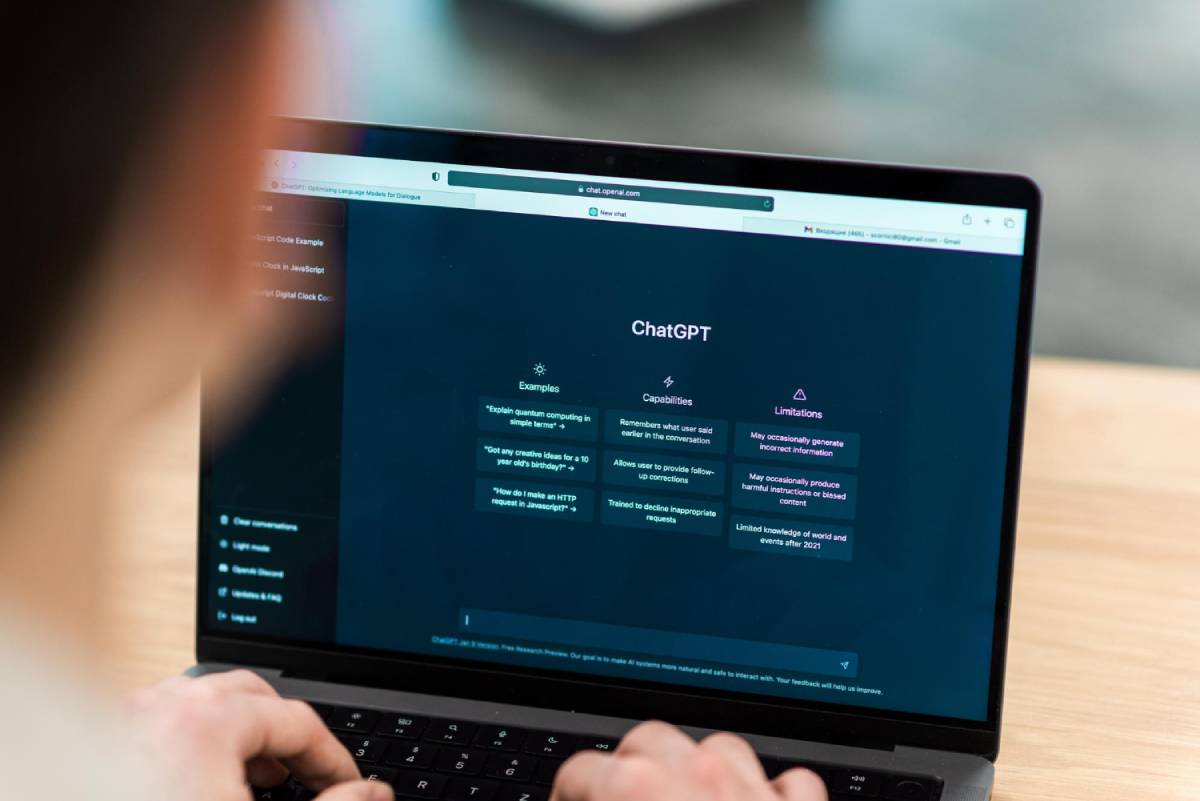
AI chatbots are increasingly becoming near-constant companions for teenagers, prompting concerns among parents, educators, and child development experts. The rapid integration of conversational AI into daily life is transforming social and emotional interactions, highlighting risks related to mental health, privacy, and digital dependency for the younger demographic.

Recent studies indicate that a significant proportion of teens are engaging with AI chatbots for companionship, advice, and entertainment. Platforms offering 24/7 interaction have seen rising AI adoption rates, while parents and educators report both benefits such as learning support and challenges, including reduced human interaction.

Timelines show a sharp increase in usage over the past two years, coinciding with the launch of advanced, highly personalized conversational AI systems. Major stakeholders include tech companies developing AI chatbots, school systems addressing digital wellness, and mental health professionals monitoring adolescent well-being. The trend underscores growing ethical, regulatory, and social considerations in AI deployment among minors.

The phenomenon of AI chatbots as social companions reflects broader trends in technology-driven behavioral shifts among adolescents. Teens are increasingly digital-native, with social and emotional engagement often occurring online. The advent of conversational AI has accelerated this shift, offering highly responsive interactions that can mimic empathy and friendship.

Historically, digital devices, social media platforms, and gaming have influenced teen socialization patterns. AI chatbots now add a layer of persistent, personalized engagement, potentially influencing emotional development, peer interactions, and even decision-making. For educators, policymakers, and corporate leaders, understanding these dynamics is critical to developing frameworks that balance innovation with adolescent well-being. This development aligns with global discussions on ethical AI use, digital mental health, and safeguarding minors in increasingly AI-integrated environments.

Child psychologists and technology analysts highlight both opportunities and risks of AI engagement for teens. Experts suggest AI chatbots can provide safe spaces for learning, emotional expression, and mental health support when appropriately monitored. However, they warn that overreliance may reduce real-world social skills, heighten isolation, and create exposure to unmoderated AI outputs.

Corporate spokespeople emphasize their commitment to safety features, moderation, and responsible AI deployment. Industry leaders note that ethical guidelines, parental controls, and digital literacy education are critical to mitigating risk. Geopolitical analysts point to potential regulatory responses as governments globally consider policies on AI interactions with minors, digital privacy, and mental health safeguards. Experts converge on the need for proactive monitoring, guidance, and transparency to ensure AI benefits are realized without compromising teen development.

For technology companies, the rise of AI chatbots among teens creates both market opportunities and regulatory scrutiny. Businesses must invest in safety, transparency, and ethical AI practices to maintain trust and avoid liability. Investors should consider potential regulatory impacts on AI platform growth and adoption.

For parents, educators, and policymakers, the trend signals a need for guidelines around digital exposure, emotional wellness, and AI literacy. Schools may integrate AI awareness programs, while governments could enforce stricter safeguards on AI accessibility to minors. Analysts warn that companies failing to adopt responsible AI practices risk reputational damage, regulatory penalties, and reduced market confidence.

Decision-makers should monitor AI adoption trends among minors, regulatory developments, and emerging best practices for digital wellness. Tech companies are expected to enhance moderation, parental control features, and ethical frameworks for teen engagement. Uncertainties remain around the long-term psychological impact of persistent AI companionship and potential policy mandates. Close collaboration between industry, regulators, and educators will be essential to balance innovation with child safety, ensuring AI contributes positively to teen development.

Source & Date

Source: WBAY
Date: January 13, 2026

  • Featured tools
Hostinger Horizons
Freemium

Hostinger Horizons is an AI-powered platform that allows users to build and deploy custom web applications without writing code. It packs hosting, domain management and backend integration into a unified tool for rapid app creation.

#
Startup Tools
#
Coding
#
Project Management
Learn more
Copy Ai
Free

Copy AI is one of the most popular AI writing tools designed to help professionals create high-quality content quickly. Whether you are a product manager drafting feature descriptions or a marketer creating ad copy, Copy AI can save hours of work while maintaining creativity and tone.

#
Copywriting
Learn more

Learn more about future of AI

Join 80,000+ Ai enthusiast getting weekly updates on exciting AI tools.
Thank you! Your submission has been received!
Oops! Something went wrong while submitting the form.

AI Chatbots Raise Concerns as Teens Turn to Digital Companions

January 14, 2026

AI chatbots are increasingly becoming near-constant companions for teenagers, prompting concerns among parents, educators, and child development experts. The rapid integration of conversational AI.

AI chatbots are increasingly becoming near-constant companions for teenagers, prompting concerns among parents, educators, and child development experts. The rapid integration of conversational AI into daily life is transforming social and emotional interactions, highlighting risks related to mental health, privacy, and digital dependency for the younger demographic.

Recent studies indicate that a significant proportion of teens are engaging with AI chatbots for companionship, advice, and entertainment. Platforms offering 24/7 interaction have seen rising AI adoption rates, while parents and educators report both benefits such as learning support and challenges, including reduced human interaction.

Timelines show a sharp increase in usage over the past two years, coinciding with the launch of advanced, highly personalized conversational AI systems. Major stakeholders include tech companies developing AI chatbots, school systems addressing digital wellness, and mental health professionals monitoring adolescent well-being. The trend underscores growing ethical, regulatory, and social considerations in AI deployment among minors.

The phenomenon of AI chatbots as social companions reflects broader trends in technology-driven behavioral shifts among adolescents. Teens are increasingly digital-native, with social and emotional engagement often occurring online. The advent of conversational AI has accelerated this shift, offering highly responsive interactions that can mimic empathy and friendship.

Historically, digital devices, social media platforms, and gaming have influenced teen socialization patterns. AI chatbots now add a layer of persistent, personalized engagement, potentially influencing emotional development, peer interactions, and even decision-making. For educators, policymakers, and corporate leaders, understanding these dynamics is critical to developing frameworks that balance innovation with adolescent well-being. This development aligns with global discussions on ethical AI use, digital mental health, and safeguarding minors in increasingly AI-integrated environments.

Child psychologists and technology analysts highlight both opportunities and risks of AI engagement for teens. Experts suggest AI chatbots can provide safe spaces for learning, emotional expression, and mental health support when appropriately monitored. However, they warn that overreliance may reduce real-world social skills, heighten isolation, and create exposure to unmoderated AI outputs.

Corporate spokespeople emphasize their commitment to safety features, moderation, and responsible AI deployment. Industry leaders note that ethical guidelines, parental controls, and digital literacy education are critical to mitigating risk. Geopolitical analysts point to potential regulatory responses as governments globally consider policies on AI interactions with minors, digital privacy, and mental health safeguards. Experts converge on the need for proactive monitoring, guidance, and transparency to ensure AI benefits are realized without compromising teen development.

For technology companies, the rise of AI chatbots among teens creates both market opportunities and regulatory scrutiny. Businesses must invest in safety, transparency, and ethical AI practices to maintain trust and avoid liability. Investors should consider potential regulatory impacts on AI platform growth and adoption.

For parents, educators, and policymakers, the trend signals a need for guidelines around digital exposure, emotional wellness, and AI literacy. Schools may integrate AI awareness programs, while governments could enforce stricter safeguards on AI accessibility to minors. Analysts warn that companies failing to adopt responsible AI practices risk reputational damage, regulatory penalties, and reduced market confidence.

Decision-makers should monitor AI adoption trends among minors, regulatory developments, and emerging best practices for digital wellness. Tech companies are expected to enhance moderation, parental control features, and ethical frameworks for teen engagement. Uncertainties remain around the long-term psychological impact of persistent AI companionship and potential policy mandates. Close collaboration between industry, regulators, and educators will be essential to balance innovation with child safety, ensuring AI contributes positively to teen development.

Source & Date

Source: WBAY
Date: January 13, 2026

Promote Your Tool

Copy Embed Code

Similar Blogs

February 27, 2026
|

Top AI Growth navigate startup tools Poised to Transform Startups

The list features tools spanning AI analytics, automated marketing, product management, and customer engagement. Each platform offers tailored capabilities for startups, including predictive insights.
Read more
February 27, 2026
|

Aicut Launches Automated AI Video Platform for Creators

AICut allows users to transform scripts or prompts into short-form video stories designed for platforms such as TikTok, Instagram, and YouTube Shorts.
Read more
February 27, 2026
|

Kira AI Taps Avatar Economy With 3D Stylized Photo Engine

Kira AI enables users to upload photos and convert them into 3D cartoon-style avatars optimized for profiles, stickers, and digital sharing. The platform leverages generative AI models trained to produce expressive.
Read more
February 27, 2026
|

Topview AI: Video Generation Battle Intensifies as Platforms

AI video platforms now enable businesses to generate presenter-led videos without traditional filming infrastructure. HeyGen and Synthesia offer avatar-based video generation, multilingual voiceovers.
Read more
February 27, 2026
|

Deep Realms Expands AI Storytelling Platform Amid Boom

Deep Realms offers an AI-driven platform focused on immersive storytelling, narrative design, and creative writing assistance.
Read more
February 27, 2026
|

Thumbly AI Targets Creator Economy With AI Viral Engine

Thumbly offers AI-powered tools that generate optimized YouTube thumbnails tailored for higher click-through rates. The platform analyzes visual patterns, color contrasts, text placement.
Read more