



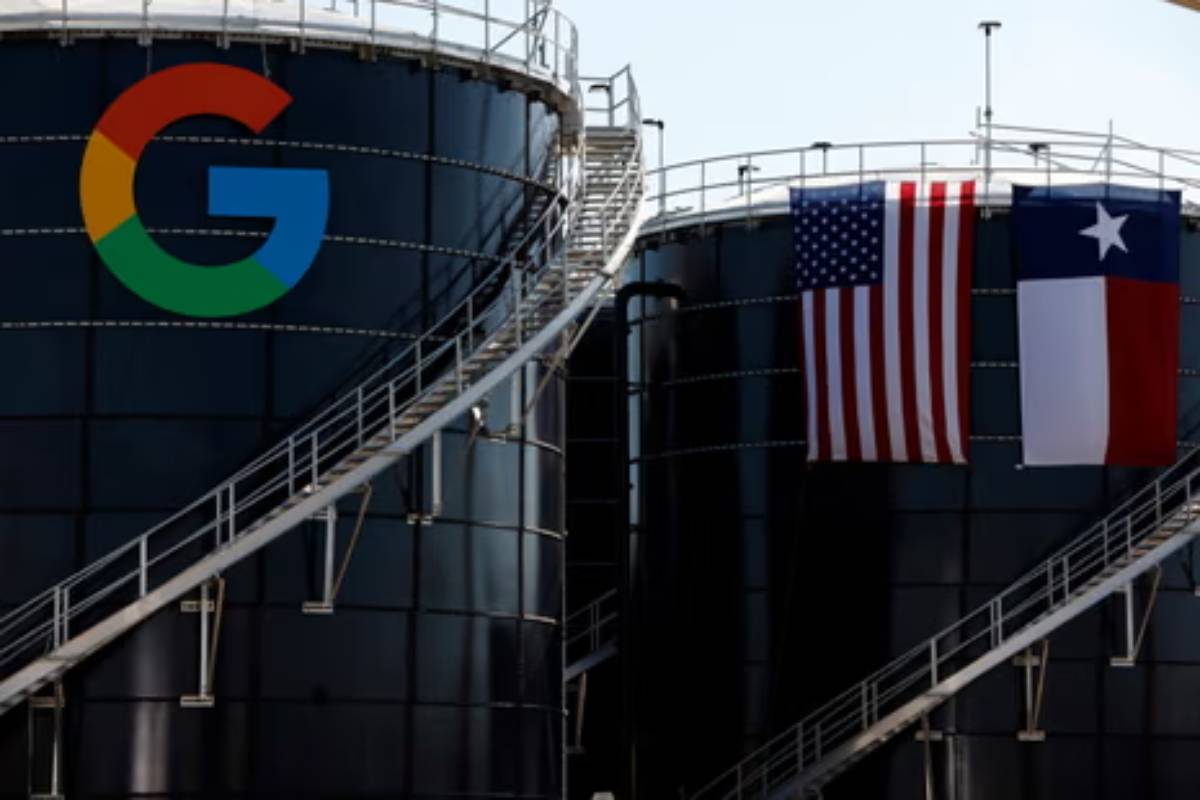
A major development unfolded as Google explores powering a new AI data center with natural gas, marking a sharp pivot from its clean energy commitments. The move highlights mounting energy pressures from AI growth, raising concerns for policymakers, investors, and sustainability-focused stakeholders worldwide.
Google is reportedly planning a new AI-focused data center that could rely on a nearby natural gas power plant, deviating from its long-standing renewable energy strategy. The shift comes amid surging energy demand driven by AI workloads, particularly large-scale model training and inference.
The project reflects broader industry strain as hyperscalers struggle to secure sufficient clean power in time to meet rapid AI expansion timelines. Energy availability, rather than cost alone, is emerging as a critical constraint.
The development also signals potential friction between corporate climate pledges and operational realities, especially as governments and regulators scrutinize the environmental footprint of AI infrastructure.
The development aligns with a broader trend across global markets where AI growth is colliding with energy infrastructure limitations. Companies like Microsoft and Amazon have already faced challenges scaling data center capacity while maintaining sustainability commitments.
AI systems particularly generative models require vast computational power, significantly increasing electricity consumption. This has intensified demand for stable, high-output energy sources, often outpacing the rollout of renewable alternatives such as wind and solar.
Historically, Google positioned itself as a climate leader, committing to operate on carbon-free energy 24/7 by 2030. However, the current situation underscores the structural gap between ambitious climate targets and real-world infrastructure constraints. Geopolitically, energy security concerns exacerbated by global supply disruptions are further complicating the transition to clean energy, especially in energy-intensive sectors like AI.
Industry analysts suggest this move reflects a pragmatic recalibration rather than a complete abandonment of sustainability goals. Experts argue that while renewable energy remains the long-term objective, interim reliance on fossil fuels may be unavoidable to sustain AI growth.
Energy and infrastructure specialists note that AI-driven demand is reshaping power markets, forcing companies to prioritize reliability and scalability over strict adherence to green targets in the short term.
Environmental groups, however, warn that such decisions risk undermining corporate climate credibility and could trigger stricter regulatory oversight. Policymakers may increasingly demand transparency around emissions tied to AI infrastructure.
Corporate leaders are expected to frame this as a transitional strategy, emphasizing continued investments in renewable energy while addressing immediate capacity needs—a balancing act that will define the next phase of AI expansion.
For global executives, the shift could redefine operational strategies across technology and energy sectors. Companies may need to reassess how they balance sustainability commitments with the realities of scaling AI infrastructure.
Investors could face increased scrutiny over ESG (Environmental, Social, Governance) metrics, particularly for firms heavily investing in AI. Meanwhile, energy providers may see new opportunities as demand surges for both traditional and renewable power sources.
From a policy perspective, governments may tighten regulations around data center emissions and energy sourcing. The development could also accelerate public-private partnerships aimed at expanding clean energy capacity to support AI growth sustainably.
Looking ahead, the key question is whether renewable energy infrastructure can scale quickly enough to meet AI’s exponential demand. Companies like Google will likely pursue hybrid energy strategies while investing in next-generation clean technologies.
Decision-makers should watch for regulatory responses, energy innovation breakthroughs, and shifts in corporate ESG commitments. The trajectory of AI expansion may ultimately depend as much on energy policy as on technological advancement.
Source: The Guardian
Date: April 2, 2026


