
AI Industrial Revival Fueled by Nvidia

Nvidia’s leadership highlighted the potential for AI to act as a catalyst for large-scale industrial revival, particularly through the expansion of AI-driven manufacturing facilities.

June 18, 2026
|
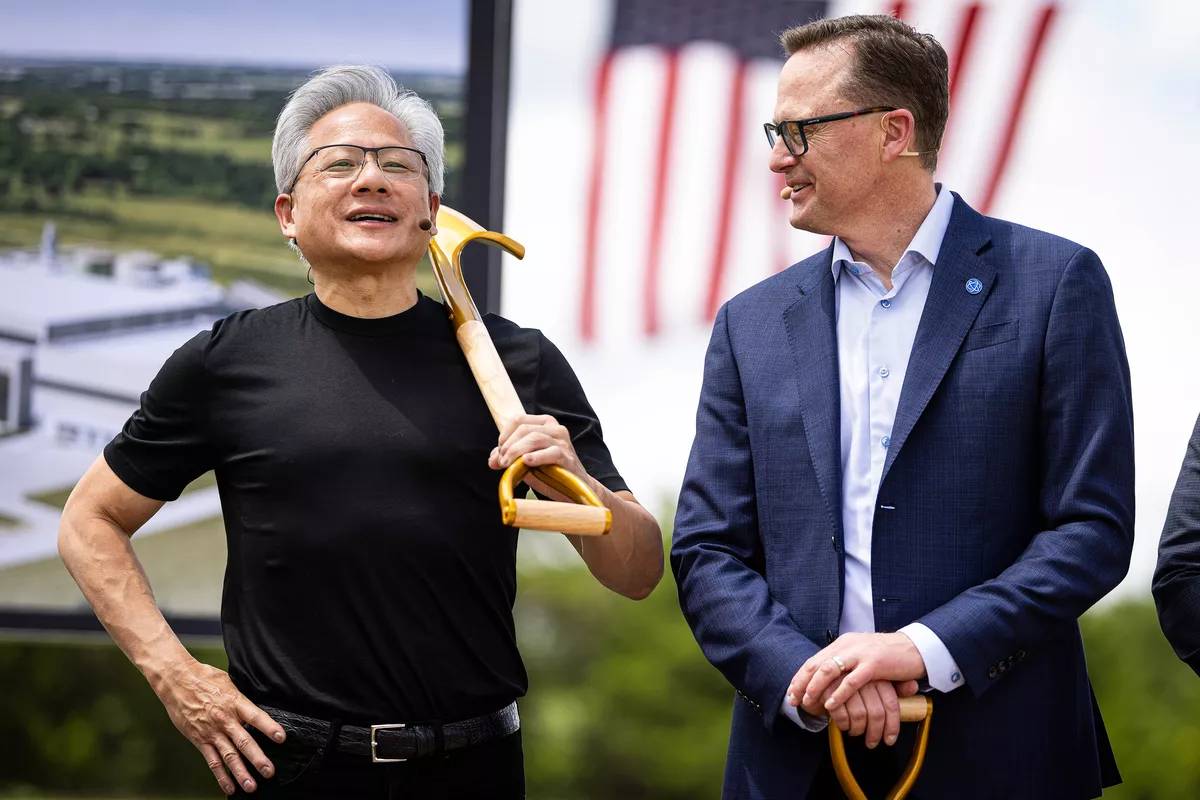
Image Source:  Spokesman.com

A major development unfolded as Nvidia CEO Jensen Huang outlined a bold vision in which artificial intelligence could reindustrialize the United States, reshape labor markets, and create new categories of employment. The remarks underscore growing expectations that AI infrastructure, including advanced chip manufacturing and automation systems, could drive a new phase of industrial transformation with significant implications for global competitiveness and economic policy.

Nvidia’s leadership highlighted the potential for AI to act as a catalyst for large-scale industrial revival, particularly through the expansion of AI-driven manufacturing facilities and advanced semiconductor ecosystems.

A North Texas factory is cited as part of this broader industrial transformation, reflecting how regional manufacturing hubs are increasingly integrated into global AI supply chains. The development aligns with Nvidia’s expanding role in AI hardware, including GPUs, data center systems, and AI computing platforms.

Key stakeholders include Nvidia, semiconductor manufacturers, U.S. industrial policy makers, regional manufacturing partners, and global technology firms investing in AI infrastructure. The statement comes amid heightened competition among nations seeking to secure leadership in AI hardware production and advanced manufacturing capabilities.

The development aligns with a broader trend across global markets where artificial intelligence is reshaping industrial policy, labor markets, and manufacturing strategies. Over the past decade, advanced automation and robotics have gradually transformed production systems, but AI is now accelerating this shift toward intelligent, adaptive manufacturing environments.

Historically, industrial revolutions have been driven by transformative technologies such as steam power, electrification, and computing. AI represents the next phase of this evolution, combining data-driven decision-making with physical production systems.

Geopolitically, countries are increasingly prioritizing domestic manufacturing resilience in response to supply chain disruptions and rising strategic competition in semiconductors and advanced technologies. The United States, in particular, has implemented industrial policy measures aimed at strengthening domestic chip production and reducing dependency on foreign supply chains.

Nvidia’s perspective reflects a broader industry narrative that AI will not only automate tasks but also enable the creation of entirely new industrial ecosystems centered around high-performance computing and intelligent systems.

Industry analysts note that AI-driven industrialization could significantly reshape labor demand, with increased need for skilled workers in robotics, semiconductor manufacturing, data center operations, and AI system design. At the same time, routine manufacturing roles may continue to decline due to automation.

Technology executives emphasize that AI infrastructure expansion is already driving a resurgence in advanced manufacturing investments, particularly in semiconductor fabrication, packaging, and supply chain localization.

Economic experts suggest that AI could enhance productivity growth in developed economies, potentially reversing long-term stagnation trends in industrial output. However, they also caution that the transition may create uneven labor market effects, requiring large-scale workforce reskilling initiatives.

Policy commentators highlight that government incentives, such as subsidies for semiconductor manufacturing and industrial tax credits, are playing a critical role in enabling this shift. Nvidia’s comments reinforce the idea that public-private collaboration will be central to the next phase of industrial transformation.

For global executives, the shift could redefine long-term investment strategies across manufacturing, technology infrastructure, and workforce development. Companies may increasingly integrate AI systems into production lines to improve efficiency, reduce costs, and enhance competitiveness.

Investors are likely to view AI-driven industrialization as a multi-decade structural growth opportunity, particularly in sectors tied to semiconductors, robotics, and advanced manufacturing infrastructure.

Governments may intensify industrial policy initiatives aimed at strengthening domestic production capabilities and securing strategic supply chains. At the same time, policymakers will need to address workforce disruption and ensure large-scale reskilling programs are in place.

The next phase of AI-driven industrial transformation will depend on how quickly manufacturing ecosystems adapt to automation and intelligent systems. Decision-makers should watch for expansion in AI-enabled factories, semiconductor capacity growth, and labor market transitions. While the potential for reindustrialization is significant, uncertainties remain around workforce displacement and infrastructure scalability. The companies and countries that align AI innovation with industrial strategy will define the next era of global economic leadership.

Source: Spokesman.com
Date: June 18, 2026

  • Featured tools
Ai Fiesta
Paid

AI Fiesta is an all-in-one productivity platform that gives users access to multiple leading AI models through a single interface. It includes features like prompt enhancement, image generation, audio transcription and side-by-side model comparison.

#
Copywriting
#
Art Generator
Learn more
Twistly AI
Paid

Twistly AI is a PowerPoint add-in that allows users to generate full slide decks, improve existing presentations, and convert various content types into polished slides directly within Microsoft PowerPoint.It streamlines presentation creation using AI-powered text analysis, image generation and content conversion.

#
Presentation
Learn more

Learn more about future of AI

Join 80,000+ Ai enthusiast getting weekly updates on exciting AI tools.
Thank you! Your submission has been received!
Oops! Something went wrong while submitting the form.

AI Industrial Revival Fueled by Nvidia

June 18, 2026

Nvidia’s leadership highlighted the potential for AI to act as a catalyst for large-scale industrial revival, particularly through the expansion of AI-driven manufacturing facilities.

Image Source:  Spokesman.com

A major development unfolded as Nvidia CEO Jensen Huang outlined a bold vision in which artificial intelligence could reindustrialize the United States, reshape labor markets, and create new categories of employment. The remarks underscore growing expectations that AI infrastructure, including advanced chip manufacturing and automation systems, could drive a new phase of industrial transformation with significant implications for global competitiveness and economic policy.

Nvidia’s leadership highlighted the potential for AI to act as a catalyst for large-scale industrial revival, particularly through the expansion of AI-driven manufacturing facilities and advanced semiconductor ecosystems.

A North Texas factory is cited as part of this broader industrial transformation, reflecting how regional manufacturing hubs are increasingly integrated into global AI supply chains. The development aligns with Nvidia’s expanding role in AI hardware, including GPUs, data center systems, and AI computing platforms.

Key stakeholders include Nvidia, semiconductor manufacturers, U.S. industrial policy makers, regional manufacturing partners, and global technology firms investing in AI infrastructure. The statement comes amid heightened competition among nations seeking to secure leadership in AI hardware production and advanced manufacturing capabilities.

The development aligns with a broader trend across global markets where artificial intelligence is reshaping industrial policy, labor markets, and manufacturing strategies. Over the past decade, advanced automation and robotics have gradually transformed production systems, but AI is now accelerating this shift toward intelligent, adaptive manufacturing environments.

Historically, industrial revolutions have been driven by transformative technologies such as steam power, electrification, and computing. AI represents the next phase of this evolution, combining data-driven decision-making with physical production systems.

Geopolitically, countries are increasingly prioritizing domestic manufacturing resilience in response to supply chain disruptions and rising strategic competition in semiconductors and advanced technologies. The United States, in particular, has implemented industrial policy measures aimed at strengthening domestic chip production and reducing dependency on foreign supply chains.

Nvidia’s perspective reflects a broader industry narrative that AI will not only automate tasks but also enable the creation of entirely new industrial ecosystems centered around high-performance computing and intelligent systems.

Industry analysts note that AI-driven industrialization could significantly reshape labor demand, with increased need for skilled workers in robotics, semiconductor manufacturing, data center operations, and AI system design. At the same time, routine manufacturing roles may continue to decline due to automation.

Technology executives emphasize that AI infrastructure expansion is already driving a resurgence in advanced manufacturing investments, particularly in semiconductor fabrication, packaging, and supply chain localization.

Economic experts suggest that AI could enhance productivity growth in developed economies, potentially reversing long-term stagnation trends in industrial output. However, they also caution that the transition may create uneven labor market effects, requiring large-scale workforce reskilling initiatives.

Policy commentators highlight that government incentives, such as subsidies for semiconductor manufacturing and industrial tax credits, are playing a critical role in enabling this shift. Nvidia’s comments reinforce the idea that public-private collaboration will be central to the next phase of industrial transformation.

For global executives, the shift could redefine long-term investment strategies across manufacturing, technology infrastructure, and workforce development. Companies may increasingly integrate AI systems into production lines to improve efficiency, reduce costs, and enhance competitiveness.

Investors are likely to view AI-driven industrialization as a multi-decade structural growth opportunity, particularly in sectors tied to semiconductors, robotics, and advanced manufacturing infrastructure.

Governments may intensify industrial policy initiatives aimed at strengthening domestic production capabilities and securing strategic supply chains. At the same time, policymakers will need to address workforce disruption and ensure large-scale reskilling programs are in place.

The next phase of AI-driven industrial transformation will depend on how quickly manufacturing ecosystems adapt to automation and intelligent systems. Decision-makers should watch for expansion in AI-enabled factories, semiconductor capacity growth, and labor market transitions. While the potential for reindustrialization is significant, uncertainties remain around workforce displacement and infrastructure scalability. The companies and countries that align AI innovation with industrial strategy will define the next era of global economic leadership.

Source: Spokesman.com
Date: June 18, 2026

Promote Your Tool

Copy Embed Code

Similar Blogs

June 18, 2026
|

AI Paradox Deepens as Skepticism Grows

Recent survey findings indicate that while Americans are increasingly cautious about the long-term impact of artificial intelligence, actual usage of AI tools continues to expand across professional and personal contexts.
Read more
June 18, 2026
|

Illinois Restricts Smart Glasses While Driving

Illinois lawmakers are evaluating legislation that would prohibit the use of smart glasses while operating a vehicle, citing concerns over distraction and impaired driver attention.
Read more
June 18, 2026
|

Anthropic Unifies AI Coding Design Workflow

Anthropic has expanded its Claude platform to bring together AI-assisted design and coding functionalities into a more integrated developer experience.
Read more
June 18, 2026
|

Creator Camera Wars Intensify Premium Segment

The Insta360 Luna Ultra and DJI Osmo Pocket 4 represent the latest generation of compact, high-performance cameras designed for vloggers, filmmakers, and social media content creators.
Read more
June 18, 2026
|

VSCO Targets Premium Creator Economy Push

VSCO has introduced “Studio Pro,” a mobile-first photo editing application designed to provide advanced creative tools for professional photographers, content creators, and digital media teams.
Read more
June 18, 2026
|

Apple Pricing Shift on Rising RAM Costs

Apple leadership has pointed to escalating memory (RAM) costs as a key driver of financial pressure within its hardware supply chain, suggesting that future product pricing adjustments may be necessary to maintain margins.
Read more