
Wes Moore Convenes AI Leaders on Mythos Risks

Wes Moore is set to engage with top AI industry leaders to discuss risks associated with increasingly advanced AI systems, referred to as “Mythos-era” threats.

April 20, 2026
|
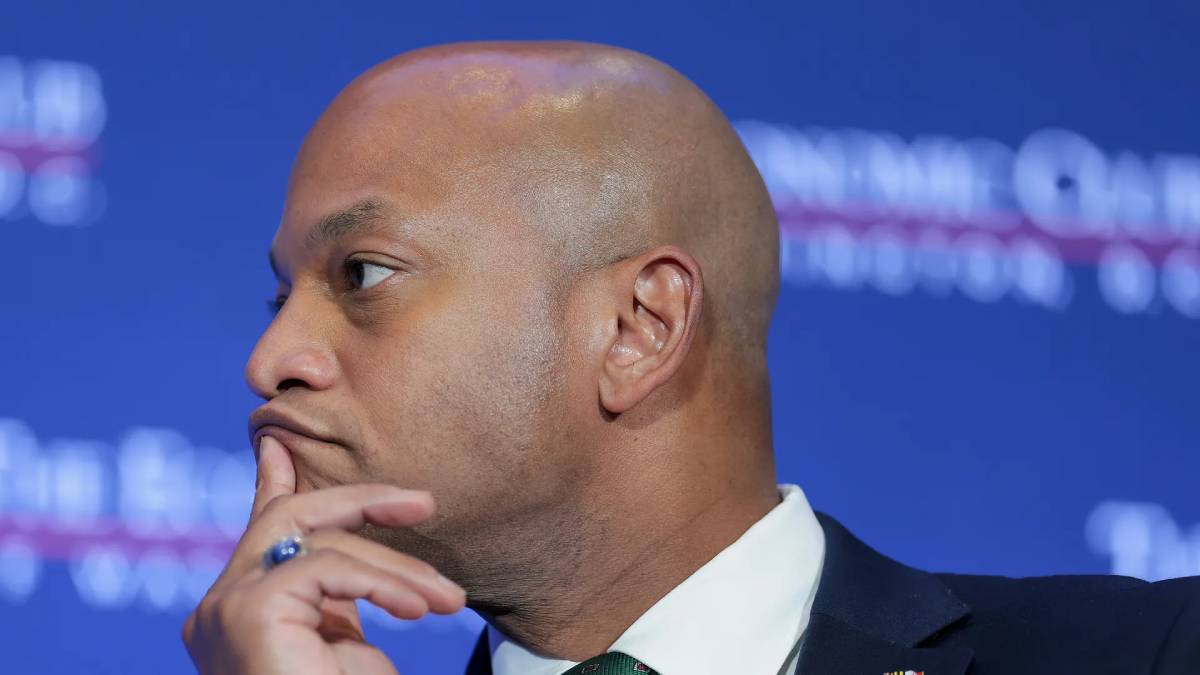
Image Source:  Axios

A significant policy initiative is unfolding as Wes Moore prepares to meet with leading AI executives to address emerging “Mythos-era” threats. The move signals growing urgency among policymakers to confront advanced AI risks, with implications for cybersecurity, governance frameworks, and the evolving relationship between governments and AI platforms.

Wes Moore is set to engage with top AI industry leaders to discuss risks associated with increasingly advanced AI systems, referred to as “Mythos-era” threats. These discussions are expected to focus on the potential misuse of AI technologies, including cyberattacks, misinformation, and systemic vulnerabilities.

The initiative brings together policymakers, AI developers, and security experts, reflecting a multi-stakeholder approach to risk mitigation. The timing underscores rising concerns within government circles about the pace of AI advancement outstripping existing regulatory frameworks. The meeting is positioned as part of broader efforts to align public policy with rapidly evolving AI capabilities.

The concept of “Mythos-era” AI reflects a growing recognition that artificial intelligence is entering a new phase characterized by increased autonomy, scalability, and potential systemic impact. This development aligns with a broader trend across global markets where governments are accelerating efforts to regulate AI platforms and frameworks amid rising security concerns.

In recent years, policymakers worldwide have grappled with balancing innovation and risk management. From data privacy regulations to AI governance frameworks, governments are seeking to establish guardrails without stifling technological progress. However, the emergence of more advanced AI systems capable of generating content, automating decisions, and potentially exploiting vulnerabilities has intensified the urgency of these efforts.

Historically, technological inflection points such as the rise of the internet prompted similar regulatory responses. The current AI wave appears to be following a comparable trajectory, albeit at a faster pace and with broader implications across sectors.

Policy analysts suggest that the involvement of leaders like Wes Moore highlights the increasing role of regional governments in shaping AI governance. Experts note that while federal frameworks remain under development, state-level initiatives are emerging as critical testing grounds for regulatory approaches.

AI experts emphasize that “Mythos-era” threats likely encompass a range of risks, from automated cyberattacks to large-scale misinformation campaigns. Analysts argue that collaboration between governments and AI platform providers will be essential to developing effective mitigation strategies.

Industry observers also point out that AI companies are under growing pressure to demonstrate responsible innovation practices. This includes implementing safeguards, transparency mechanisms, and robust risk assessment frameworks. The consensus suggests that proactive engagement between policymakers and industry leaders is crucial to addressing emerging threats before they escalate.

For businesses, the initiative signals increasing regulatory scrutiny around AI deployment and risk management. Companies developing or deploying AI technologies may need to enhance compliance frameworks, invest in security measures, and align with emerging governance standards.

Investors may interpret this as an indicator of tightening regulatory environments, potentially impacting valuations and strategic planning for AI-driven firms. At the same time, opportunities may arise for companies specializing in AI safety, cybersecurity, and compliance solutions.

From a policy perspective, the development underscores the need for coordinated governance models that can address cross-border AI risks. Governments may accelerate efforts to establish standards for AI accountability, transparency, and risk mitigation in high-impact sectors.

Looking ahead, the outcomes of these discussions could influence broader regulatory frameworks and industry practices around AI risk management. Decision-makers should monitor how collaboration between policymakers and AI leaders evolves, particularly in defining actionable standards. The key uncertainty remains whether governance mechanisms can keep pace with rapid technological advancement, a challenge that will shape the future of AI-driven economies.

Source: Axios
Date: April 19, 2026

  • Featured tools
Murf Ai
Free

Murf AI Review – Advanced AI Voice Generator for Realistic Voiceovers

#
Text to Speech
Learn more
Figstack AI
Free

Figstack AI is an intelligent assistant for developers that explains code, generates docstrings, converts code between languages, and analyzes time complexity helping you work smarter, not harder.

#
Coding
Learn more

Learn more about future of AI

Join 80,000+ Ai enthusiast getting weekly updates on exciting AI tools.
Thank you! Your submission has been received!
Oops! Something went wrong while submitting the form.

Wes Moore Convenes AI Leaders on Mythos Risks

April 20, 2026

Wes Moore is set to engage with top AI industry leaders to discuss risks associated with increasingly advanced AI systems, referred to as “Mythos-era” threats.

Image Source:  Axios

A significant policy initiative is unfolding as Wes Moore prepares to meet with leading AI executives to address emerging “Mythos-era” threats. The move signals growing urgency among policymakers to confront advanced AI risks, with implications for cybersecurity, governance frameworks, and the evolving relationship between governments and AI platforms.

Wes Moore is set to engage with top AI industry leaders to discuss risks associated with increasingly advanced AI systems, referred to as “Mythos-era” threats. These discussions are expected to focus on the potential misuse of AI technologies, including cyberattacks, misinformation, and systemic vulnerabilities.

The initiative brings together policymakers, AI developers, and security experts, reflecting a multi-stakeholder approach to risk mitigation. The timing underscores rising concerns within government circles about the pace of AI advancement outstripping existing regulatory frameworks. The meeting is positioned as part of broader efforts to align public policy with rapidly evolving AI capabilities.

The concept of “Mythos-era” AI reflects a growing recognition that artificial intelligence is entering a new phase characterized by increased autonomy, scalability, and potential systemic impact. This development aligns with a broader trend across global markets where governments are accelerating efforts to regulate AI platforms and frameworks amid rising security concerns.

In recent years, policymakers worldwide have grappled with balancing innovation and risk management. From data privacy regulations to AI governance frameworks, governments are seeking to establish guardrails without stifling technological progress. However, the emergence of more advanced AI systems capable of generating content, automating decisions, and potentially exploiting vulnerabilities has intensified the urgency of these efforts.

Historically, technological inflection points such as the rise of the internet prompted similar regulatory responses. The current AI wave appears to be following a comparable trajectory, albeit at a faster pace and with broader implications across sectors.

Policy analysts suggest that the involvement of leaders like Wes Moore highlights the increasing role of regional governments in shaping AI governance. Experts note that while federal frameworks remain under development, state-level initiatives are emerging as critical testing grounds for regulatory approaches.

AI experts emphasize that “Mythos-era” threats likely encompass a range of risks, from automated cyberattacks to large-scale misinformation campaigns. Analysts argue that collaboration between governments and AI platform providers will be essential to developing effective mitigation strategies.

Industry observers also point out that AI companies are under growing pressure to demonstrate responsible innovation practices. This includes implementing safeguards, transparency mechanisms, and robust risk assessment frameworks. The consensus suggests that proactive engagement between policymakers and industry leaders is crucial to addressing emerging threats before they escalate.

For businesses, the initiative signals increasing regulatory scrutiny around AI deployment and risk management. Companies developing or deploying AI technologies may need to enhance compliance frameworks, invest in security measures, and align with emerging governance standards.

Investors may interpret this as an indicator of tightening regulatory environments, potentially impacting valuations and strategic planning for AI-driven firms. At the same time, opportunities may arise for companies specializing in AI safety, cybersecurity, and compliance solutions.

From a policy perspective, the development underscores the need for coordinated governance models that can address cross-border AI risks. Governments may accelerate efforts to establish standards for AI accountability, transparency, and risk mitigation in high-impact sectors.

Looking ahead, the outcomes of these discussions could influence broader regulatory frameworks and industry practices around AI risk management. Decision-makers should monitor how collaboration between policymakers and AI leaders evolves, particularly in defining actionable standards. The key uncertainty remains whether governance mechanisms can keep pace with rapid technological advancement, a challenge that will shape the future of AI-driven economies.

Source: Axios
Date: April 19, 2026

Promote Your Tool

Copy Embed Code

Similar Blogs

June 25, 2026
|

OQ Tech Boosts Satellite Position

The European financing package will support OQ Technology’s expansion of its low Earth orbit (LEO) satellite constellation aimed at providing direct-to-device connectivity.
Read more
June 25, 2026
|

Women Led Startups Show Funding Gap

The startup ecosystem has seen a steady increase in women-founded and women-led companies, particularly in sectors such as digital services, healthtech, fintech, and sustainability-driven innovation.
Read more
June 25, 2026
|

AI Healthcare Unlocks Transformation Potential

AI applications in healthcare are expanding across multiple domains, including clinical decision support, medical imaging, drug discovery, and patient management systems.
Read more
June 25, 2026
|

Helical Raises $10M for AI Drug Lab

The funding round will enable Helical to scale its virtual AI lab infrastructure, which simulates complex biological processes for drug discovery.
Read more
June 25, 2026
|

Digital Healthtech Faces Investor Pressure

The guidance highlights that digital health startups must now demonstrate stronger clinical validation, data security standards, and measurable patient outcomes to secure investor confidence.
Read more
June 25, 2026
|

Luxembourg Space Strategy Turns Decade

Over the past ten years, Luxembourg has systematically developed its space sector through targeted investments, policy frameworks, and partnerships with private space companies.
Read more