



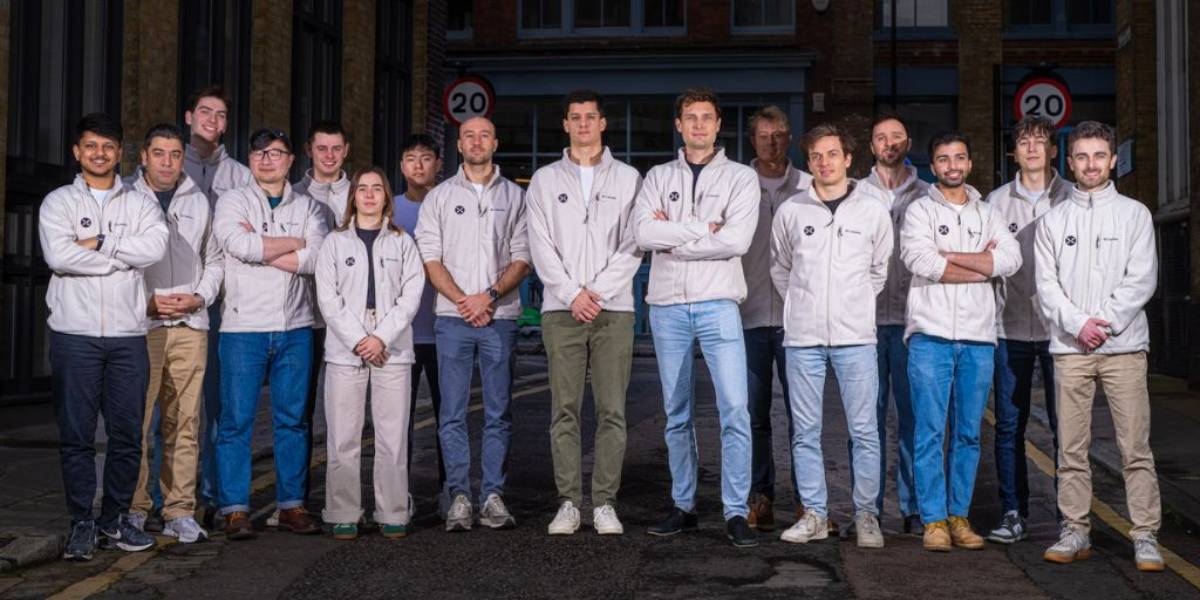
Helical has raised $10 million in funding to expand its virtual AI laboratory designed for pharmaceutical-scale drug discovery. The platform focuses on accelerating in-silico experimentation, aiming to reduce time and cost in early-stage drug development. The investment signals growing confidence in AI-driven biotech innovation with implications for global pharmaceutical R&D pipelines.
The funding round will enable Helical to scale its virtual AI lab infrastructure, which simulates complex biological processes for drug discovery. The platform is designed to replicate pharmaceutical-grade research environments digitally, allowing researchers to test compounds and predict outcomes without relying solely on traditional laboratory methods.
The company plans to enhance computational capabilities, expand dataset integration, and strengthen partnerships with biotech and pharmaceutical firms. The goal is to improve predictive accuracy in drug candidate identification and reduce dependency on costly physical trials in early development phases.
Investors participating in the round include early-stage venture capital firms focused on deeptech and life sciences innovation. The capital will also support hiring in AI research, computational biology, and enterprise deployment teams.
The development aligns with a broader trend across global markets where artificial intelligence is increasingly being integrated into pharmaceutical research and development pipelines. Drug discovery has traditionally been a time-intensive and capital-heavy process, often taking over a decade from research to market approval.
In recent years, in-silico modeling and AI-driven simulation tools have gained traction as pharmaceutical companies seek to improve efficiency and reduce failure rates in clinical trials. The COVID-19 pandemic further accelerated interest in computational drug discovery methods.
Globally, pharmaceutical R&D is under pressure due to rising development costs, regulatory complexity, and demand for faster therapeutic innovation. AI platforms like Helical aim to address these challenges by enabling faster hypothesis testing and molecule screening.
Europe, in particular, has seen increased investment in AI-biotech convergence, supported by strong academic research institutions and government-backed innovation programs. Industry analysts note that AI-driven virtual labs represent one of the most disruptive shifts in pharmaceutical research, with the potential to significantly reduce time-to-market for new therapies.
Biotech investors highlight that platforms capable of replicating pharma-grade environments digitally are particularly attractive due to their scalability and lower operational overhead compared to traditional wet labs.
Computational biology experts emphasize that while AI can accelerate discovery, validation through physical trials will remain essential, meaning hybrid models are likely to dominate the industry.
Pharmaceutical strategists observe that large drugmakers are increasingly forming partnerships with AI startups to integrate predictive modeling into early-stage R&D pipelines. Technology analysts also point out that the success of such platforms will depend heavily on data quality, regulatory acceptance, and integration with existing pharma workflows.
For pharmaceutical companies, AI-driven labs could significantly reduce R&D timelines and lower early-stage development costs, improving portfolio efficiency. For investors, the sector represents a high-growth opportunity within the broader AI and biotech convergence space, though regulatory uncertainty remains a key risk factor.
For healthcare systems, faster drug discovery could accelerate access to innovative treatments and improve response times to emerging diseases. For policymakers, the rise of AI in pharma underscores the need for updated regulatory frameworks that account for computational drug discovery methodologies.
Helical is expected to expand its platform capabilities and deepen collaborations with pharmaceutical firms over the next phase of growth. The long-term trajectory will depend on validation success and regulatory integration of AI-assisted drug discovery methods.
Decision-makers should monitor how quickly AI-driven R&D becomes embedded in mainstream pharmaceutical pipelines, particularly as competition intensifies across biotech innovation hubs.
Source: Startup Luxembourg
Date: June 25, 2026


