
AI Pilot Training Advances With Navi Platform

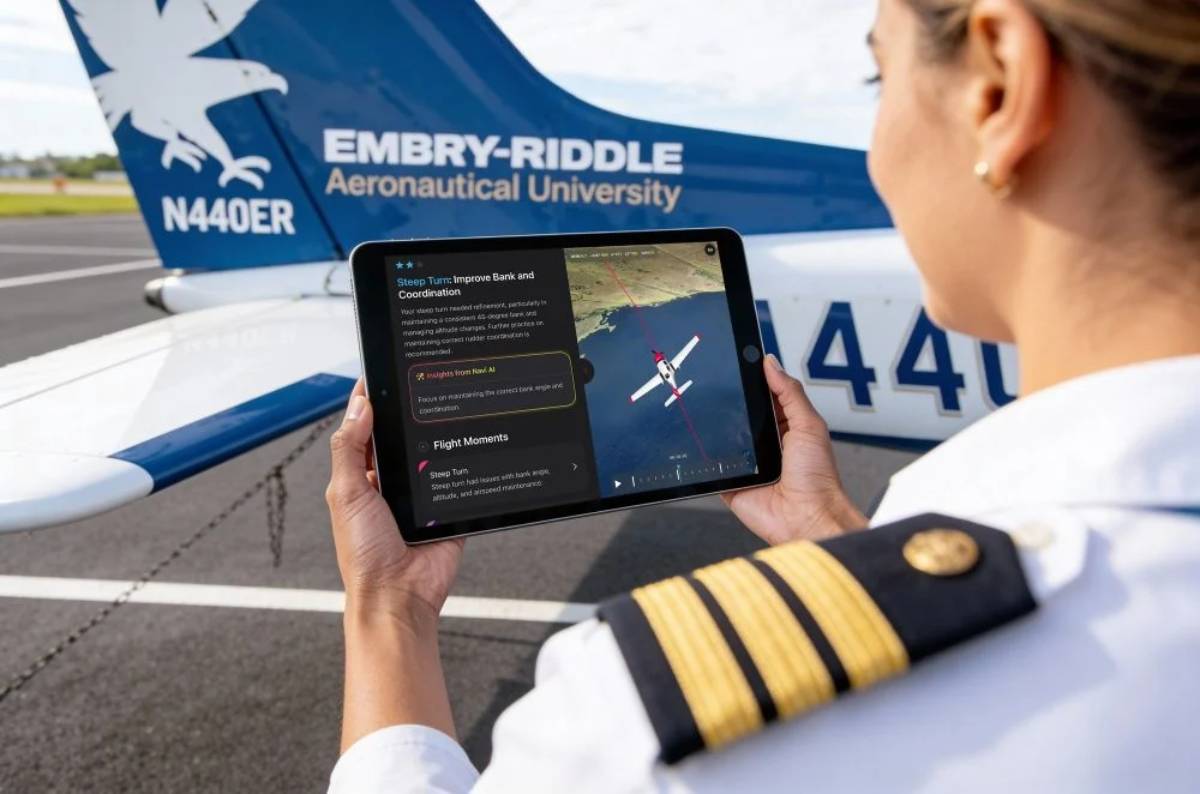
Navi has launched an AI-powered platform designed to enhance pilot training through automated debriefing and performance insights. The system analyzes flight data to provide detailed feedback on pilot actions, decision-making.

March 23, 2026
|
Image credit: Navi AI

A major development unfolded in aviation training as Navi introduced an AI-based debriefing platform for pilots. The initiative signals a shift toward data-driven training and performance analysis, with implications for aviation safety, operational efficiency, and the modernization of global pilot training systems.

Navi has launched an AI-powered platform designed to enhance pilot training through automated debriefing and performance insights. The system analyzes flight data to provide detailed feedback on pilot actions, decision-making, and adherence to procedures. By leveraging AI models, the platform aims to improve learning outcomes and reduce human error in training environments.

Key stakeholders include airlines, training institutions, regulators, and pilots. The deployment reflects a growing trend toward integrating advanced technologies into aviation training, enabling more precise and scalable evaluation methods while improving safety standards.

The development aligns with a broader trend across global markets where AI is transforming training and simulation across high-risk industries such as aviation, defense, and healthcare. Traditional pilot training has relied heavily on instructor-led debriefing, which can be subjective and resource-intensive.

AI-driven systems introduce a more standardized and data-centric approach, enabling consistent evaluation and personalized feedback. This shift is particularly important as the aviation industry faces increasing demand for skilled pilots amid global travel recovery and fleet expansion.

Historically, advancements in aviation safety have been closely tied to improvements in training and technology. The integration of AI platforms into training programs represents the next in this evolution, combining real-time data analysis with scalable learning solutions to enhance overall safety and efficiency.

Industry experts view AI-based debriefing as a significant advancement in pilot training methodologies. Analysts suggest that automated insights can complement human instructors, providing objective feedback and identifying patterns that may be missed during manual evaluations.

Aviation specialists emphasize that improving training accuracy directly impacts safety outcomes, making such technologies highly valuable. The ability to analyze large volumes of flight data enables deeper insights into pilot behavior and operational risks.

However, experts also highlight the importance of balancing AI-driven analysis with human judgment, particularly in complex scenarios requiring contextual understanding. The consensus indicates that AI will augment rather than replace traditional training methods, enhancing overall effectiveness.

For global executives in aviation, the adoption of AI-driven training platforms highlights opportunities to improve safety, reduce costs, and enhance operational efficiency. Airlines may increasingly invest in such technologies to meet regulatory requirements and maintain competitive standards.

Investors could view the integration of AI into aviation training as a growth area within the broader aerospace technology sector. From a policy perspective, regulators may need to update certification and training standards to accommodate AI-based systems. Ensuring accuracy, reliability, and accountability in AI-driven training will be critical as adoption expands across the industry.

Looking ahead, the success of AI-based debriefing platforms will depend on adoption rates, regulatory acceptance, and measurable improvements in training outcomes. Decision-makers should monitor technological advancements and integration with existing training systems.

As aviation continues to evolve, AI-driven training solutions are likely to play a central role in enhancing safety and efficiency, shaping the future of pilot development worldwide.

Source: Aviation Week
Date: March 22, 2026

  • Featured tools
Symphony Ayasdi AI
Free

SymphonyAI Sensa is an AI-powered surveillance and financial crime detection platform that surfaces hidden risk behavior through explainable, AI-driven analytics.

#
Finance
Learn more
Copy Ai
Free

Copy AI is one of the most popular AI writing tools designed to help professionals create high-quality content quickly. Whether you are a product manager drafting feature descriptions or a marketer creating ad copy, Copy AI can save hours of work while maintaining creativity and tone.

#
Copywriting
Learn more

Learn more about future of AI

Join 80,000+ Ai enthusiast getting weekly updates on exciting AI tools.
Thank you! Your submission has been received!
Oops! Something went wrong while submitting the form.

AI Pilot Training Advances With Navi Platform

March 23, 2026

Navi has launched an AI-powered platform designed to enhance pilot training through automated debriefing and performance insights. The system analyzes flight data to provide detailed feedback on pilot actions, decision-making.

Image credit: Navi AI

A major development unfolded in aviation training as Navi introduced an AI-based debriefing platform for pilots. The initiative signals a shift toward data-driven training and performance analysis, with implications for aviation safety, operational efficiency, and the modernization of global pilot training systems.

Navi has launched an AI-powered platform designed to enhance pilot training through automated debriefing and performance insights. The system analyzes flight data to provide detailed feedback on pilot actions, decision-making, and adherence to procedures. By leveraging AI models, the platform aims to improve learning outcomes and reduce human error in training environments.

Key stakeholders include airlines, training institutions, regulators, and pilots. The deployment reflects a growing trend toward integrating advanced technologies into aviation training, enabling more precise and scalable evaluation methods while improving safety standards.

The development aligns with a broader trend across global markets where AI is transforming training and simulation across high-risk industries such as aviation, defense, and healthcare. Traditional pilot training has relied heavily on instructor-led debriefing, which can be subjective and resource-intensive.

AI-driven systems introduce a more standardized and data-centric approach, enabling consistent evaluation and personalized feedback. This shift is particularly important as the aviation industry faces increasing demand for skilled pilots amid global travel recovery and fleet expansion.

Historically, advancements in aviation safety have been closely tied to improvements in training and technology. The integration of AI platforms into training programs represents the next in this evolution, combining real-time data analysis with scalable learning solutions to enhance overall safety and efficiency.

Industry experts view AI-based debriefing as a significant advancement in pilot training methodologies. Analysts suggest that automated insights can complement human instructors, providing objective feedback and identifying patterns that may be missed during manual evaluations.

Aviation specialists emphasize that improving training accuracy directly impacts safety outcomes, making such technologies highly valuable. The ability to analyze large volumes of flight data enables deeper insights into pilot behavior and operational risks.

However, experts also highlight the importance of balancing AI-driven analysis with human judgment, particularly in complex scenarios requiring contextual understanding. The consensus indicates that AI will augment rather than replace traditional training methods, enhancing overall effectiveness.

For global executives in aviation, the adoption of AI-driven training platforms highlights opportunities to improve safety, reduce costs, and enhance operational efficiency. Airlines may increasingly invest in such technologies to meet regulatory requirements and maintain competitive standards.

Investors could view the integration of AI into aviation training as a growth area within the broader aerospace technology sector. From a policy perspective, regulators may need to update certification and training standards to accommodate AI-based systems. Ensuring accuracy, reliability, and accountability in AI-driven training will be critical as adoption expands across the industry.

Looking ahead, the success of AI-based debriefing platforms will depend on adoption rates, regulatory acceptance, and measurable improvements in training outcomes. Decision-makers should monitor technological advancements and integration with existing training systems.

As aviation continues to evolve, AI-driven training solutions are likely to play a central role in enhancing safety and efficiency, shaping the future of pilot development worldwide.

Source: Aviation Week
Date: March 22, 2026

Promote Your Tool

Copy Embed Code

Similar Blogs

March 23, 2026
|

AI Startup Upstage Eyes Massive AMD Chip Deal

Upstage is reportedly in advanced talks with AMD and regional distributors to secure 10,000 high-performance chips, potentially valued in the tens of millions of dollars.
Read more
March 23, 2026
|

TruGen AI Launches Enterprise AI Teammates

TruGen AI’s platform integrates AI teammates capable of executing tasks, analyzing data, and assisting human teams in real-time. The rollout spans multiple industries, including finance, healthcare, and logistics, with pilot deployments already underway in select Fortune 500 firms.
Read more
March 23, 2026
|

Generative AI Enters Gaming, Sparks Resistance

Leading gaming companies have integrated AI platforms to automate content creation, generate in-game narratives, and design assets. Early adoption shows potential for cost reduction and faster development cycles.
Read more
March 23, 2026
|

Generative AI Boosts Code, QA Challenges Emerge

Generative AI platforms are now capable of producing complex code autonomously, enabling faster development cycles for software and medical devices. Industry leaders report that while AI tools accelerate coding.
Read more
March 23, 2026
|

AI Pilot Training Advances With Navi Platform

Navi has launched an AI-powered platform designed to enhance pilot training through automated debriefing and performance insights. The system analyzes flight data to provide detailed feedback on pilot actions, decision-making.
Read more
March 23, 2026
|

Nvidia Valuation Debate Intensifies at 21x Earnings

Nvidia, widely regarded as the dominant player in AI hardware, is currently trading at around 21x forward earnings prompting analysts to reassess whether the stock represents value despite its rapid growth.
Read more