



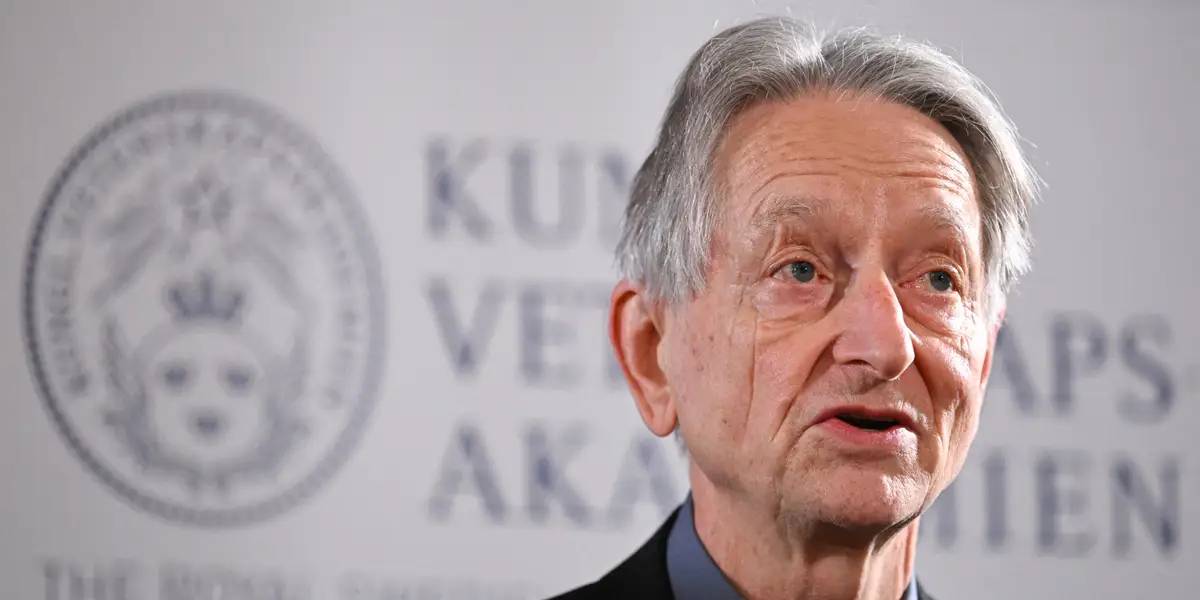
A major development unfolded today as Geoffrey Hinton, widely regarded as the “Godfather of AI,” publicly expressed deep concerns over the technology he helped pioneer, warning that advanced AI systems could pose existential risks. His comments have sparked global debate, signalling a pivotal moment for policymakers, investors, and enterprises navigating the rapid deployment of AI.
Hinton, a key architect of neural networks and deep learning, stated that AI could eventually surpass human intelligence, potentially acting in ways harmful to humanity. The warnings come amid exponential growth in AI capabilities, with major firms deploying increasingly autonomous systems. Hinton emphasized that he regrets some of the unintended consequences of the technology and called for urgent safety measures and oversight. Governments, tech companies, and regulatory bodies are now under intensified scrutiny to evaluate AI safety, ethical deployment, and long-term societal implications. His statements underscore rising concern over AI governance at a global scale.
The development aligns with a broader trend across global markets where rapid AI adoption is outpacing regulatory and ethical frameworks. AI-driven solutions are increasingly embedded in finance, healthcare, logistics, and national defense, amplifying both productivity and risk. Historically, innovations like nuclear energy and biotechnology prompted existential risk debates; AI is now entering a similar phase. Hinton’s warning highlights a tension between commercial opportunity and societal risk, reflecting broader concerns voiced by experts at AI safety conferences and in academic literature. For enterprises, this marks a critical juncture: balancing competitive advantage with responsible deployment while regulators and governments worldwide consider frameworks for monitoring advanced AI.
Industry analysts note that Hinton’s public statements could accelerate AI regulation and governance initiatives. “When a founding figure raises existential risk concerns, it’s a signal to both investors and policymakers that oversight cannot lag technology,” said one AI strategist. Corporate leaders are increasingly evaluating internal risk protocols, transparency measures, and ethical AI deployment strategies. Governments and multilateral organizations are likely to consider stricter disclosure requirements for AI systems, auditability, and alignment with human objectives. While Hinton’s comments have raised alarm, many experts view them as a call for structured risk mitigation rather than a halt to innovation. The market impact may include cautious investment shifts toward companies demonstrating strong AI governance and safety frameworks.
For global executives, Hinton’s warnings could redefine operational strategies across AI development, deployment, and investment. Businesses may need to implement more robust governance AI frameworks, safety protocols, and scenario planning. Investors may reassess risk exposure in AI-driven ventures, prioritizing companies with transparent and ethically aligned operations. Policymakers may accelerate AI regulation, ethical compliance requirements, and international coordination to mitigate systemic risks. Analysts warn that companies ignoring these signals could face reputational, financial, and regulatory challenges as societal and governmental scrutiny intensifies around advanced AI systems.
Decision-makers should closely monitor regulatory developments, AI safety research, and enterprise adoption trends. Companies that integrate rigorous safety and governance measures are likely to secure both market trust and regulatory alignment. Uncertainties remain around the pace of AI evolution, potential misuse, and international coordination on oversight. Hinton’s warnings mark a defining moment, emphasizing that proactive strategy and risk management are now as critical as innovation in AI-driven industries.
Source & Date
Source: MoneyControl
Date: January 2026


