



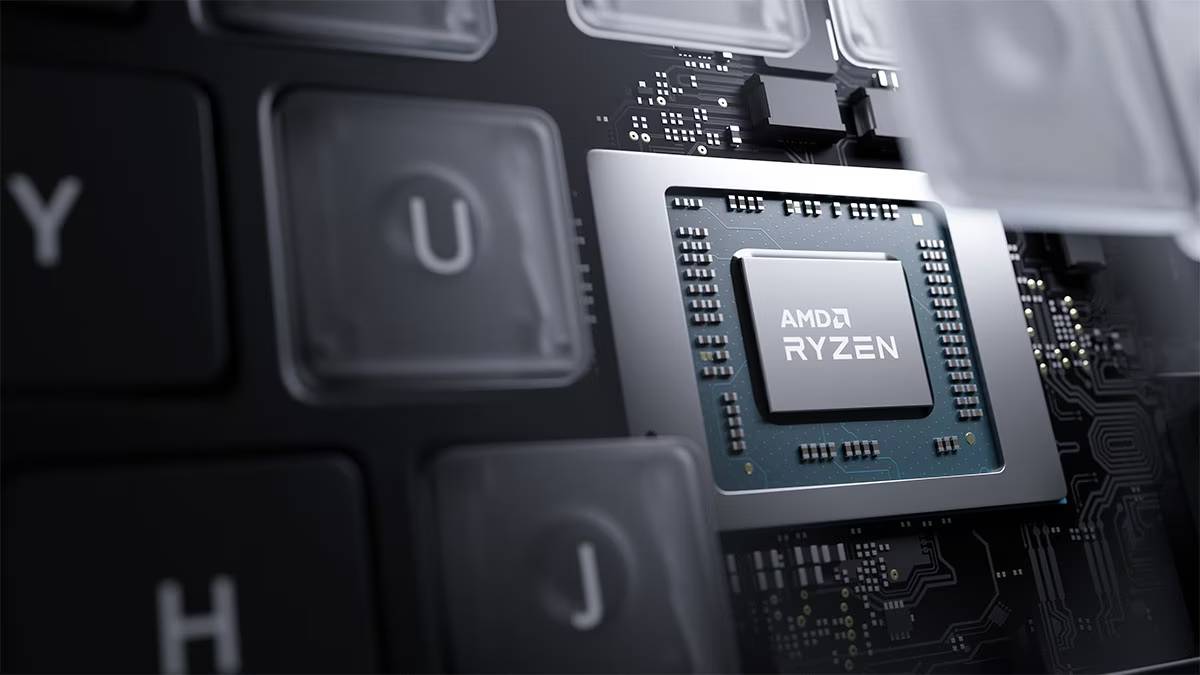
A major development unfolded today as Upstage entered negotiations to acquire 10,000 advanced AMD chips in South Korea, signaling an aggressive expansion in AI infrastructure. The move highlights growing demand for high-performance computing in AI startups and could influence global semiconductor markets, enterprise AI deployment strategies, and investor sentiment in the technology sector.
Upstage is reportedly in advanced talks with AMD and regional distributors to secure 10,000 high-performance chips, potentially valued in the tens of millions of dollars. The purchase aims to scale Upstage’s AI training capacity, targeting applications in large language models, machine learning, and generative AI.
The timeline suggests procurement could occur within the next quarter, positioning Upstage to compete with established AI firms investing heavily in chip-intensive infrastructure. Stakeholders include AMD, South Korean distributors, and global AI investors tracking hardware demand. Analysts note this acquisition could impact chip supply, pricing, and market dynamics amid ongoing geopolitical tensions affecting semiconductor trade.
The development aligns with a broader trend of AI startups investing heavily in hardware to support increasingly compute-intensive workloads. As large language models and generative AI proliferate, companies require cutting-edge GPUs to train models efficiently and maintain competitive edge. South Korea has emerged as a strategic hub for semiconductor procurement, offering proximity to major chip manufacturers and robust logistics networks.
Historically, startups have faced constraints due to chip shortages, supply chain disruptions, and export restrictions. Upstage’s large-scale acquisition underscores the high stakes in AI infrastructure investment and the growing interplay between technology strategy, geopolitics, and global semiconductor markets. The move also signals investor confidence in Upstage’s ability to leverage hardware for scalable AI services and enterprise applications.
Analysts highlight that securing 10,000 AMD chips positions Upstage to accelerate AI model training, potentially outpacing competitors with limited hardware access. “High-volume chip procurement at this scale demonstrates strategic foresight in AI infrastructure,” noted a semiconductor market analyst.
Corporate spokespeople emphasize the importance of reliable, high-performance hardware to meet enterprise AI demands. AMD has yet to comment on the negotiations, but industry observers anticipate that the transaction could influence chip allocation, regional supply, and pricing trends. Market strategists warn that geopolitical considerations, including U.S.-China semiconductor regulations and South Korean export policies, could affect timing and delivery.
Early AI adopters are closely monitoring such transactions, viewing hardware availability as a key determinant of operational capacity, model performance, and overall competitiveness in the rapidly evolving AI landscape.
For technology enterprises, Upstage’s aggressive chip acquisition underscores the critical role of high-performance hardware in AI deployment and competitive positioning. Investors may interpret the move as a signal of market confidence in AI startups capable of scaling infrastructure efficiently.
Global semiconductor markets could see temporary supply pressures, impacting other buyers and pricing dynamics. Policymakers and trade regulators may reassess export controls, supply chain security, and strategic stockpiling of critical computing components. For enterprises evaluating AI adoption, the event highlights the importance of hardware access, procurement planning, and vendor partnerships to sustain innovation and operational scalability.
Decision-makers should watch the finalization of Upstage’s chip acquisition, potential supply chain bottlenecks, and AMD’s allocation strategy. Successful deployment could accelerate Upstage’s AI capabilities and set a precedent for other startups pursuing hardware-heavy growth. Uncertainties remain around delivery timelines, geopolitical risks, and global chip market volatility, which could influence both enterprise AI scaling and investor sentiment.
Source: Bloomberg
Date: March 23, 2026


