
Amazon Adds Vertical Feed to Prime Video

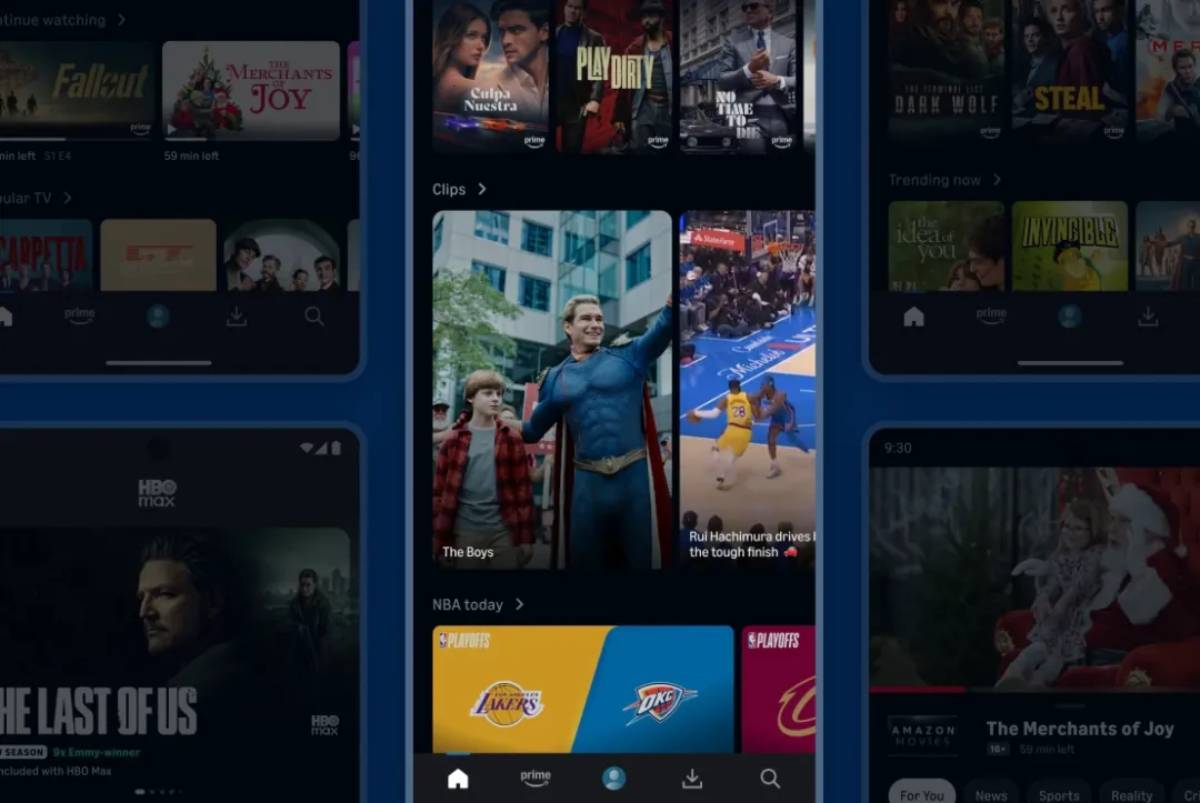
Amazon is introducing a vertical video feed within Prime Video, designed to align with smartphone-native viewing habits and short-form content consumption trends.

May 11, 2026
|
Image Source: The Verge

Amazon is integrating a vertical video feed into Prime Video, signaling a shift toward short-form, mobile-first content consumption within its streaming ecosystem. The move reflects intensifying competition with social video platforms and underscores how traditional streaming services are adapting to changing viewer behavior, with implications for engagement metrics, content strategy, and digital advertising models.

Amazon is introducing a vertical video feed within Prime Video, designed to align with smartphone-native viewing habits and short-form content consumption trends. The feature will surface clips and bite-sized video formats in a scrollable interface similar to social media platforms.

This expansion reflects a broader convergence between streaming entertainment and social media dynamics. The initiative positions Prime Video to compete more directly with platforms that dominate short-form engagement. It also signals Amazon’s intent to increase user retention and session duration by integrating algorithmically curated, snackable content alongside long-form streaming offerings within a single ecosystem.

The streaming industry is undergoing structural transformation as viewer preferences shift toward shorter, mobile-optimized content formats. Platforms that once focused primarily on long-form video are increasingly incorporating social-style feeds to maintain engagement and reduce churn. This reflects the growing influence of TikTok-style consumption patterns across global digital ecosystems.

Amazon’s move comes amid intensifying competition in the attention economy, where platforms compete not only on content libraries but also on interface design and engagement loops. Historically, streaming services differentiated themselves through exclusive content and subscription models. However, as content saturation increases, user experience and algorithmic personalization are becoming critical competitive factors. The integration of vertical video signals a blending of entertainment streaming and social media consumption architectures.

Media analysts suggest that Amazon’s adoption of vertical video reflects a strategic response to shifting engagement patterns. One streaming industry observer noted that “short-form video is no longer optional it is becoming a default interface layer for digital entertainment platforms.”

Experts highlight that this convergence could reshape content production strategies, encouraging studios and creators to develop modular content adaptable to multiple formats. Advertising specialists also point out that vertical feeds enable higher ad frequency and improved targeting precision, particularly on mobile devices. However, concerns remain around content fragmentation and potential dilution of premium viewing experiences. Industry voices emphasize that success will depend on how effectively Amazon balances algorithmic discovery with curated long-form storytelling within Prime Video’s ecosystem.

For businesses, Amazon’s move signals increased competition in the attention-driven streaming market, where interface design and engagement mechanics are becoming as important as content exclusivity. Media companies may need to rethink content production pipelines to accommodate multi-format distribution strategies.

For advertisers, vertical video opens new opportunities for high-engagement, mobile-first campaigns with improved targeting capabilities. Investors are likely to view this as part of a broader convergence between streaming and social media monetization models. From a regulatory standpoint, the expansion of algorithm-driven feeds within entertainment platforms may renew scrutiny around content recommendation systems, user data usage, and digital advertising transparency.

The integration of vertical video into Prime Video is likely to accelerate as Amazon refines its recommendation algorithms and content partnerships. Future iterations may include deeper personalization, creator-driven content ecosystems, and enhanced monetization tools. The broader streaming industry is expected to continue converging with social media mechanics, reshaping how digital entertainment is produced, distributed, and consumed across global markets.

Source: The Verge
Date: 11 May 2026

  • Featured tools
Upscayl AI
Free

Upscayl AI is a free, open-source AI-powered tool that enhances and upscales images to higher resolutions. It transforms blurry or low-quality visuals into sharp, detailed versions with ease.

#
Productivity
Learn more
Hostinger Horizons
Freemium

Hostinger Horizons is an AI-powered platform that allows users to build and deploy custom web applications without writing code. It packs hosting, domain management and backend integration into a unified tool for rapid app creation.

#
Startup Tools
#
Coding
#
Project Management
Learn more

Learn more about future of AI

Join 80,000+ Ai enthusiast getting weekly updates on exciting AI tools.
Thank you! Your submission has been received!
Oops! Something went wrong while submitting the form.

Amazon Adds Vertical Feed to Prime Video

May 11, 2026

Amazon is introducing a vertical video feed within Prime Video, designed to align with smartphone-native viewing habits and short-form content consumption trends.

Image Source: The Verge

Amazon is integrating a vertical video feed into Prime Video, signaling a shift toward short-form, mobile-first content consumption within its streaming ecosystem. The move reflects intensifying competition with social video platforms and underscores how traditional streaming services are adapting to changing viewer behavior, with implications for engagement metrics, content strategy, and digital advertising models.

Amazon is introducing a vertical video feed within Prime Video, designed to align with smartphone-native viewing habits and short-form content consumption trends. The feature will surface clips and bite-sized video formats in a scrollable interface similar to social media platforms.

This expansion reflects a broader convergence between streaming entertainment and social media dynamics. The initiative positions Prime Video to compete more directly with platforms that dominate short-form engagement. It also signals Amazon’s intent to increase user retention and session duration by integrating algorithmically curated, snackable content alongside long-form streaming offerings within a single ecosystem.

The streaming industry is undergoing structural transformation as viewer preferences shift toward shorter, mobile-optimized content formats. Platforms that once focused primarily on long-form video are increasingly incorporating social-style feeds to maintain engagement and reduce churn. This reflects the growing influence of TikTok-style consumption patterns across global digital ecosystems.

Amazon’s move comes amid intensifying competition in the attention economy, where platforms compete not only on content libraries but also on interface design and engagement loops. Historically, streaming services differentiated themselves through exclusive content and subscription models. However, as content saturation increases, user experience and algorithmic personalization are becoming critical competitive factors. The integration of vertical video signals a blending of entertainment streaming and social media consumption architectures.

Media analysts suggest that Amazon’s adoption of vertical video reflects a strategic response to shifting engagement patterns. One streaming industry observer noted that “short-form video is no longer optional it is becoming a default interface layer for digital entertainment platforms.”

Experts highlight that this convergence could reshape content production strategies, encouraging studios and creators to develop modular content adaptable to multiple formats. Advertising specialists also point out that vertical feeds enable higher ad frequency and improved targeting precision, particularly on mobile devices. However, concerns remain around content fragmentation and potential dilution of premium viewing experiences. Industry voices emphasize that success will depend on how effectively Amazon balances algorithmic discovery with curated long-form storytelling within Prime Video’s ecosystem.

For businesses, Amazon’s move signals increased competition in the attention-driven streaming market, where interface design and engagement mechanics are becoming as important as content exclusivity. Media companies may need to rethink content production pipelines to accommodate multi-format distribution strategies.

For advertisers, vertical video opens new opportunities for high-engagement, mobile-first campaigns with improved targeting capabilities. Investors are likely to view this as part of a broader convergence between streaming and social media monetization models. From a regulatory standpoint, the expansion of algorithm-driven feeds within entertainment platforms may renew scrutiny around content recommendation systems, user data usage, and digital advertising transparency.

The integration of vertical video into Prime Video is likely to accelerate as Amazon refines its recommendation algorithms and content partnerships. Future iterations may include deeper personalization, creator-driven content ecosystems, and enhanced monetization tools. The broader streaming industry is expected to continue converging with social media mechanics, reshaping how digital entertainment is produced, distributed, and consumed across global markets.

Source: The Verge
Date: 11 May 2026

Promote Your Tool

Copy Embed Code

Similar Blogs

May 11, 2026
|

AI Lifestyle Scheduling Drives Wellness Era

AI-driven calendar automation tools are increasingly capable of designing full-day personal schedules based on user preferences, behavioral data, and predictive modeling.
Read more
May 11, 2026
|

Google Expands Gemini AI Ecosystem Push

Google is expected to unveil significant enhancements to its Gemini AI models, expanding their role across devices, applications, and developer platforms.
Read more
May 11, 2026
|

AI Home Tech Fraud Threat Grows

Cybersecurity analysts report a rise in AI-assisted scams involving smart home devices, fake customer support interactions, and automated phishing campaigns.
Read more
May 11, 2026
|

Google Expands Gemini AI Ecosystem Push

At Google I/O 2026, the company is expected to deepen integration of its Gemini AI models across devices and services, extending beyond software into hardware form factors such as smart glasses.
Read more
May 11, 2026
|

Apple M4 iPad Air Price Cuts Intensify Competition

Retail promotions have brought significant price reductions on Apple’s latest M4-powered iPad Air models, with discounts varying by configuration and storage tiers.
Read more
May 11, 2026
|

Microsoft Balances OpenAI Cloud Strategy Risk

Internal communications and strategic discussions within Microsoft reportedly highlighted fears that OpenAI could shift workloads or narratives toward Amazon Web Services.
Read more