
Google Expands Gemini AI Ecosystem Push

Google is expected to unveil significant enhancements to its Gemini AI models, expanding their role across devices, applications, and developer platforms.

May 11, 2026
|
Image Source: CNET

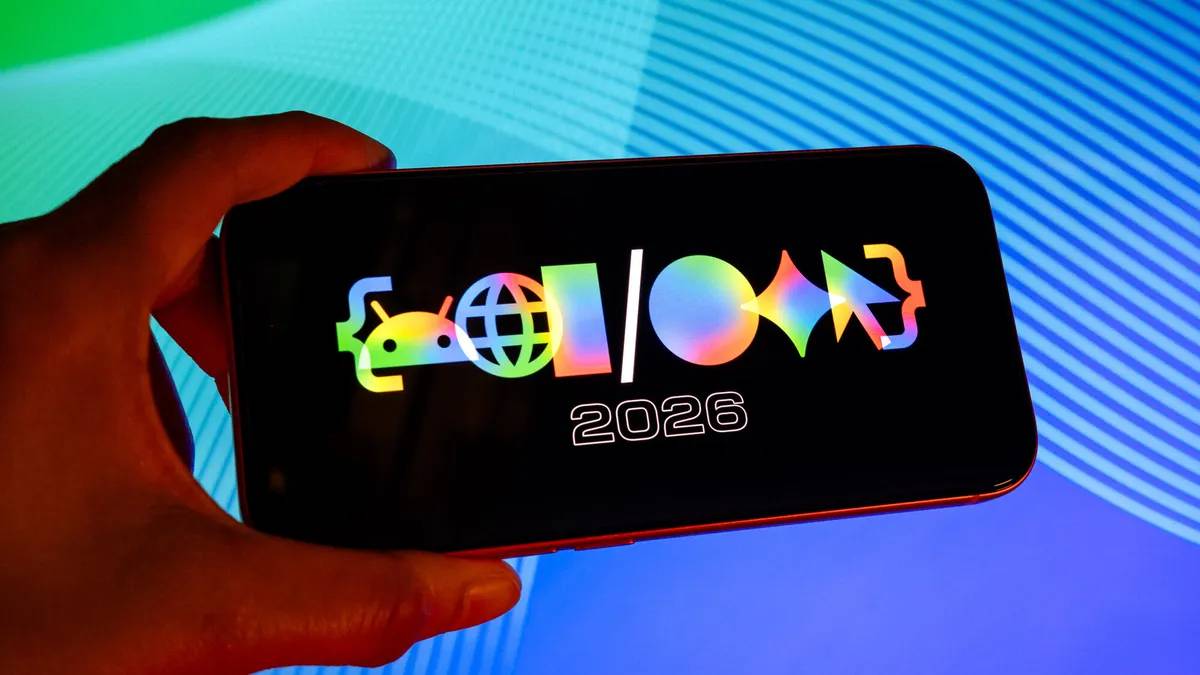
he upcoming Google I/O 2026 is set to showcase an expanded AI roadmap from Google, including updates to its Gemini AI ecosystem, Android XR glasses, and broader platform integration. The announcements reflect a strategic push toward immersive, AI-native computing across consumer and enterprise environments, intensifying competition in next-generation digital ecosystems.

Google is expected to unveil significant enhancements to its Gemini AI models, expanding their role across devices, applications, and developer platforms. A key highlight includes Android XR glasses, designed to integrate augmented reality with real-time AI assistance, enabling contextual computing experiences.

The event will also focus on deeper ecosystem alignment between Android, ChromeOS successors, and cloud-based AI services. These updates aim to unify user interaction across mobile, wearable, and desktop environments. The strategy reflects Google’s ambition to position Gemini as a central intelligence layer powering multiple form factors, rather than a standalone AI service.

The global technology sector is transitioning toward spatial and AI-native computing, where traditional interfaces are replaced by ambient, context-aware systems. Google has historically led in search and mobile ecosystems, but generative AI has disrupted established interaction models.

The introduction of XR glasses and expanded Gemini integration signals a shift toward immersive computing environments, where information is continuously processed and delivered in real time. This evolution builds on earlier investments in Android, augmented reality, and machine learning infrastructure.

Competition is intensifying across the industry, with firms like Apple, Microsoft, and Meta pursuing overlapping strategies in AI-enabled hardware and mixed reality platforms. As a result, control over AI interfaces is becoming as strategically important as control over operating systems in previous computing cycles.

Industry analysts view Google’s strategy as an attempt to consolidate fragmented digital experiences into a unified AI-driven ecosystem. By embedding Gemini across multiple device categories, Google aims to reduce friction between services and strengthen platform retention.

Technology experts note that XR glasses represent a long-term bet on wearable computing, an area that has historically struggled with adoption but is gaining renewed momentum due to advances in AI and miniaturized hardware.

Observers also highlight that developer engagement will be critical. Without broad ecosystem adoption, AI-native platforms risk fragmentation. Analysts further suggest that enterprise use cases particularly in productivity, logistics, and field services could drive early traction for XR-enabled AI systems.

For enterprises, Google’s expanded AI ecosystem signals a shift toward multi-device, always-on computing environments. Businesses may need to reassess software design, workforce training, and data governance frameworks to adapt to XR and AI-integrated workflows.

Investors are evaluating whether Google can translate AI leadership into sustained hardware and platform monetization. Meanwhile, competitors are likely to accelerate parallel investments in immersive computing.

From a policy standpoint, XR devices combined with real-time AI raise new concerns around data privacy, spatial surveillance, and behavioral tracking. Regulators may need to update frameworks governing wearable computing and AI-assisted data collection.

The success of Google’s AI expansion will depend on execution across hardware adoption, developer ecosystem growth, and regulatory alignment. Watch for rollout timelines of XR glasses and real-world Gemini integration across devices. The broader trajectory will determine whether AI becomes a seamless ambient layer of computing or remains confined to discrete applications controlled by competing platform ecosystems.

Source: CNET
Date: 11 May 2026

  • Featured tools
Tome AI
Free

Tome AI is an AI-powered storytelling and presentation tool designed to help users create compelling narratives and presentations quickly and efficiently. It leverages advanced AI technologies to generate content, images, and animations based on user input.

#
Presentation
#
Startup Tools
Learn more
Writesonic AI
Free

Writesonic AI is a versatile AI writing platform designed for marketers, entrepreneurs, and content creators. It helps users create blog posts, ad copies, product descriptions, social media posts, and more with ease. With advanced AI models and user-friendly tools, Writesonic streamlines content production and saves time for busy professionals.

#
Copywriting
Learn more

Learn more about future of AI

Join 80,000+ Ai enthusiast getting weekly updates on exciting AI tools.
Thank you! Your submission has been received!
Oops! Something went wrong while submitting the form.

Google Expands Gemini AI Ecosystem Push

May 11, 2026

Google is expected to unveil significant enhancements to its Gemini AI models, expanding their role across devices, applications, and developer platforms.

Image Source: CNET

he upcoming Google I/O 2026 is set to showcase an expanded AI roadmap from Google, including updates to its Gemini AI ecosystem, Android XR glasses, and broader platform integration. The announcements reflect a strategic push toward immersive, AI-native computing across consumer and enterprise environments, intensifying competition in next-generation digital ecosystems.

Google is expected to unveil significant enhancements to its Gemini AI models, expanding their role across devices, applications, and developer platforms. A key highlight includes Android XR glasses, designed to integrate augmented reality with real-time AI assistance, enabling contextual computing experiences.

The event will also focus on deeper ecosystem alignment between Android, ChromeOS successors, and cloud-based AI services. These updates aim to unify user interaction across mobile, wearable, and desktop environments. The strategy reflects Google’s ambition to position Gemini as a central intelligence layer powering multiple form factors, rather than a standalone AI service.

The global technology sector is transitioning toward spatial and AI-native computing, where traditional interfaces are replaced by ambient, context-aware systems. Google has historically led in search and mobile ecosystems, but generative AI has disrupted established interaction models.

The introduction of XR glasses and expanded Gemini integration signals a shift toward immersive computing environments, where information is continuously processed and delivered in real time. This evolution builds on earlier investments in Android, augmented reality, and machine learning infrastructure.

Competition is intensifying across the industry, with firms like Apple, Microsoft, and Meta pursuing overlapping strategies in AI-enabled hardware and mixed reality platforms. As a result, control over AI interfaces is becoming as strategically important as control over operating systems in previous computing cycles.

Industry analysts view Google’s strategy as an attempt to consolidate fragmented digital experiences into a unified AI-driven ecosystem. By embedding Gemini across multiple device categories, Google aims to reduce friction between services and strengthen platform retention.

Technology experts note that XR glasses represent a long-term bet on wearable computing, an area that has historically struggled with adoption but is gaining renewed momentum due to advances in AI and miniaturized hardware.

Observers also highlight that developer engagement will be critical. Without broad ecosystem adoption, AI-native platforms risk fragmentation. Analysts further suggest that enterprise use cases particularly in productivity, logistics, and field services could drive early traction for XR-enabled AI systems.

For enterprises, Google’s expanded AI ecosystem signals a shift toward multi-device, always-on computing environments. Businesses may need to reassess software design, workforce training, and data governance frameworks to adapt to XR and AI-integrated workflows.

Investors are evaluating whether Google can translate AI leadership into sustained hardware and platform monetization. Meanwhile, competitors are likely to accelerate parallel investments in immersive computing.

From a policy standpoint, XR devices combined with real-time AI raise new concerns around data privacy, spatial surveillance, and behavioral tracking. Regulators may need to update frameworks governing wearable computing and AI-assisted data collection.

The success of Google’s AI expansion will depend on execution across hardware adoption, developer ecosystem growth, and regulatory alignment. Watch for rollout timelines of XR glasses and real-world Gemini integration across devices. The broader trajectory will determine whether AI becomes a seamless ambient layer of computing or remains confined to discrete applications controlled by competing platform ecosystems.

Source: CNET
Date: 11 May 2026

Promote Your Tool

Copy Embed Code

Similar Blogs

June 26, 2026
|

AlpineAI Raises Seed Round

AlpineAI has successfully closed a double-digit million seed funding round aimed at accelerating the development of sovereign AI technologies.
Read more
June 26, 2026
|

BLP Digital Raises $50M Funding Round

BLP Digital has secured $50 million in strategic funding from Goldman Sachs to accelerate the expansion of its AI-driven enterprise solutions.
Read more
June 26, 2026
|

Giotto AI RUAG Secure AI

Giotto.ai and RUAG have entered into a cooperation agreement focused on the distribution and deployment of state-of-the-art AI solutions across defense and industrial domains.
Read more
June 26, 2026
|

Fruitful AI Secures Funding Round

Fruitful AI has successfully completed a strategic investment round, strengthening its financial position to scale operations and enhance its AI-driven product suite.
Read more
June 26, 2026
|

Visium Raises AI Funding Round

Visium has successfully raised fresh funding aimed at scaling its operations across key European markets and expanding deeper into the US enterprise AI ecosystem.
Read more
June 26, 2026
|

Nuclidium Raises CHF 105M Series B

Nuclidium has successfully expanded its Series B funding round to CHF 105 million through a latest extension, attracting continued backing from existing and new investors.
Read more