
Google Expands Gemini AI Ecosystem Push

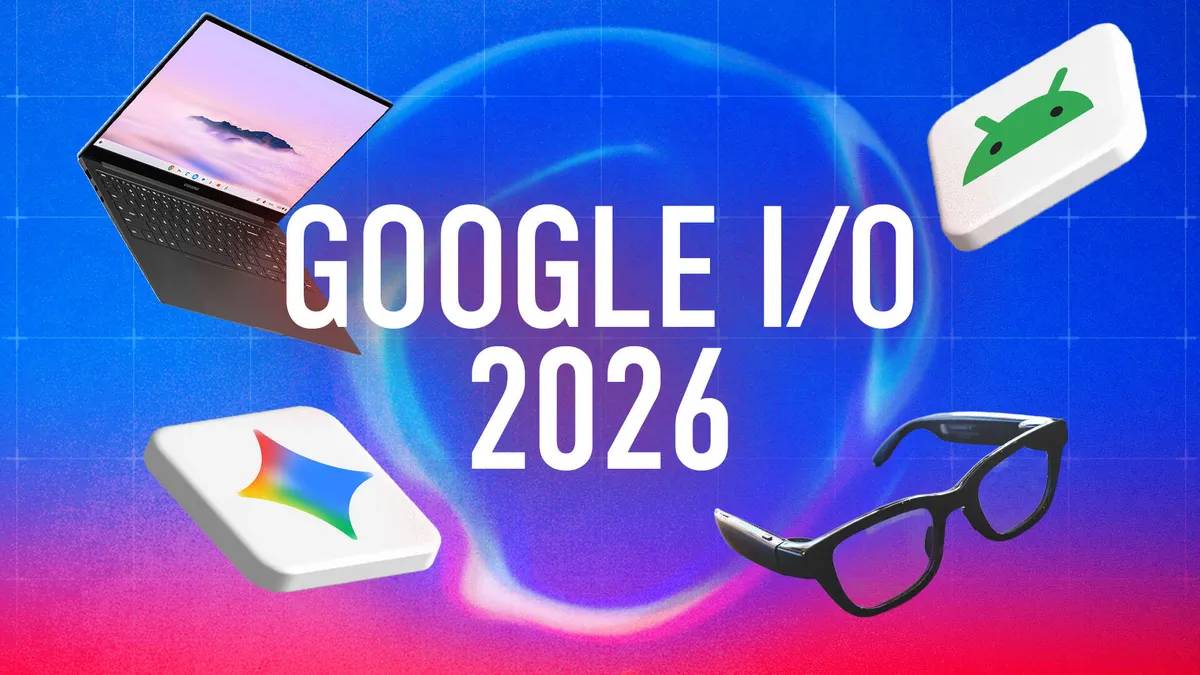
At Google I/O 2026, the company is expected to deepen integration of its Gemini AI models across devices and services, extending beyond software into hardware form factors such as smart glasses.

May 11, 2026
|
Image Source: CNET

The upcoming Google I/O 2026 is expected to spotlight a major expansion of Google’s AI strategy, centered on its Gemini model ecosystem, smart glasses, and a redesigned laptop operating system. The announcements signal a broader push to embed AI across consumer hardware, enterprise tools, and next-generation computing platforms, reshaping competition in the global tech landscape.

At Google I/O 2026, the company is expected to deepen integration of its Gemini AI models across devices and services, extending beyond software into hardware form factors such as smart glasses. The roadmap reportedly includes a new laptop operating system designed around AI-first workflows, potentially redefining productivity computing.

Smart glasses integration suggests a move toward ambient computing, where AI assistance becomes continuously available through wearable devices. Google’s strategy positions Gemini as a unified intelligence layer across Android, ChromeOS successors, and cloud services. These developments come as competition intensifies with Microsoft, Apple, and emerging AI-native device manufacturers.

The technology industry is undergoing a structural shift from app-centric computing to AI-native ecosystems. Google has historically dominated search and mobile operating systems, but generative AI has disrupted traditional interface models and user engagement pathways.

The Gemini ecosystem represents Google’s response to the rise of foundation models that increasingly mediate how users interact with digital systems. Smart glasses and AI-first laptops reflect a return to hardware-driven strategy, similar to earlier transitions from desktop to mobile computing.

Globally, tech firms are racing to establish “AI operating layers” that sit above traditional software stacks. This shift is not only technological but also economic, as control over AI interfaces determines advertising flows, enterprise adoption, and platform dependency. Google’s announcements at I/O 2026 therefore reflect both defensive positioning and aggressive ecosystem expansion.

Analysts view Google’s expanded Gemini roadmap as an attempt to consolidate fragmented AI experiences into a single ecosystem layer. By embedding AI into wearables, operating systems, and cloud infrastructure, the company aims to reduce reliance on standalone apps and strengthen platform stickiness.

Industry observers note that smart glasses represent a high-risk, high-reward category, previously explored unsuccessfully by early entrants but now revived through advances in multimodal AI and lightweight computing.

Technology strategists argue that the success of AI-first laptops will depend on developer adoption and enterprise integration, not just consumer appeal. Meanwhile, competitive pressure from Microsoft’s AI-enhanced Windows ecosystem and Apple’s tightly integrated hardware-software stack is expected to shape execution urgency.

For enterprises, Google’s AI expansion signals a shift toward AI-native workflows across productivity, communication, and device interaction layers. Businesses may need to reassess software compatibility, data governance, and workforce adaptation strategies as AI becomes embedded at the OS level.

Investors are closely watching whether Google can convert AI leadership into sustained hardware and platform revenue growth. For competitors, the announcement intensifies pressure to accelerate AI integration across devices.

From a policy standpoint, the convergence of AI, wearables, and operating systems raises new questions around data privacy, real-time surveillance capabilities, and cross-device behavioral tracking.

The success of Google’s AI ecosystem will depend on execution across hardware adoption, developer engagement, and regulatory alignment. Watch for real-world deployment timelines for smart glasses and the rollout strategy for the AI-first laptop OS. The broader industry trajectory will hinge on whether AI becomes a background utility layer or a tightly controlled platform ecosystem dominated by a few major tech firms.

Source: CNET
Date: 11 May 2026

  • Featured tools
Twistly AI
Paid

Twistly AI is a PowerPoint add-in that allows users to generate full slide decks, improve existing presentations, and convert various content types into polished slides directly within Microsoft PowerPoint.It streamlines presentation creation using AI-powered text analysis, image generation and content conversion.

#
Presentation
Learn more
Wonder AI
Free

Wonder AI is a versatile AI-powered creative platform that generates text, images, and audio with minimal input, designed for fast storytelling, visual creation, and audio content generation

#
Art Generator
Learn more

Learn more about future of AI

Join 80,000+ Ai enthusiast getting weekly updates on exciting AI tools.
Thank you! Your submission has been received!
Oops! Something went wrong while submitting the form.

Google Expands Gemini AI Ecosystem Push

May 11, 2026

At Google I/O 2026, the company is expected to deepen integration of its Gemini AI models across devices and services, extending beyond software into hardware form factors such as smart glasses.

Image Source: CNET

The upcoming Google I/O 2026 is expected to spotlight a major expansion of Google’s AI strategy, centered on its Gemini model ecosystem, smart glasses, and a redesigned laptop operating system. The announcements signal a broader push to embed AI across consumer hardware, enterprise tools, and next-generation computing platforms, reshaping competition in the global tech landscape.

At Google I/O 2026, the company is expected to deepen integration of its Gemini AI models across devices and services, extending beyond software into hardware form factors such as smart glasses. The roadmap reportedly includes a new laptop operating system designed around AI-first workflows, potentially redefining productivity computing.

Smart glasses integration suggests a move toward ambient computing, where AI assistance becomes continuously available through wearable devices. Google’s strategy positions Gemini as a unified intelligence layer across Android, ChromeOS successors, and cloud services. These developments come as competition intensifies with Microsoft, Apple, and emerging AI-native device manufacturers.

The technology industry is undergoing a structural shift from app-centric computing to AI-native ecosystems. Google has historically dominated search and mobile operating systems, but generative AI has disrupted traditional interface models and user engagement pathways.

The Gemini ecosystem represents Google’s response to the rise of foundation models that increasingly mediate how users interact with digital systems. Smart glasses and AI-first laptops reflect a return to hardware-driven strategy, similar to earlier transitions from desktop to mobile computing.

Globally, tech firms are racing to establish “AI operating layers” that sit above traditional software stacks. This shift is not only technological but also economic, as control over AI interfaces determines advertising flows, enterprise adoption, and platform dependency. Google’s announcements at I/O 2026 therefore reflect both defensive positioning and aggressive ecosystem expansion.

Analysts view Google’s expanded Gemini roadmap as an attempt to consolidate fragmented AI experiences into a single ecosystem layer. By embedding AI into wearables, operating systems, and cloud infrastructure, the company aims to reduce reliance on standalone apps and strengthen platform stickiness.

Industry observers note that smart glasses represent a high-risk, high-reward category, previously explored unsuccessfully by early entrants but now revived through advances in multimodal AI and lightweight computing.

Technology strategists argue that the success of AI-first laptops will depend on developer adoption and enterprise integration, not just consumer appeal. Meanwhile, competitive pressure from Microsoft’s AI-enhanced Windows ecosystem and Apple’s tightly integrated hardware-software stack is expected to shape execution urgency.

For enterprises, Google’s AI expansion signals a shift toward AI-native workflows across productivity, communication, and device interaction layers. Businesses may need to reassess software compatibility, data governance, and workforce adaptation strategies as AI becomes embedded at the OS level.

Investors are closely watching whether Google can convert AI leadership into sustained hardware and platform revenue growth. For competitors, the announcement intensifies pressure to accelerate AI integration across devices.

From a policy standpoint, the convergence of AI, wearables, and operating systems raises new questions around data privacy, real-time surveillance capabilities, and cross-device behavioral tracking.

The success of Google’s AI ecosystem will depend on execution across hardware adoption, developer engagement, and regulatory alignment. Watch for real-world deployment timelines for smart glasses and the rollout strategy for the AI-first laptop OS. The broader industry trajectory will hinge on whether AI becomes a background utility layer or a tightly controlled platform ecosystem dominated by a few major tech firms.

Source: CNET
Date: 11 May 2026

Promote Your Tool

Copy Embed Code

Similar Blogs

May 11, 2026
|

AI Lifestyle Scheduling Drives Wellness Era

AI-driven calendar automation tools are increasingly capable of designing full-day personal schedules based on user preferences, behavioral data, and predictive modeling.
Read more
May 11, 2026
|

Google Expands Gemini AI Ecosystem Push

Google is expected to unveil significant enhancements to its Gemini AI models, expanding their role across devices, applications, and developer platforms.
Read more
May 11, 2026
|

AI Home Tech Fraud Threat Grows

Cybersecurity analysts report a rise in AI-assisted scams involving smart home devices, fake customer support interactions, and automated phishing campaigns.
Read more
May 11, 2026
|

Google Expands Gemini AI Ecosystem Push

At Google I/O 2026, the company is expected to deepen integration of its Gemini AI models across devices and services, extending beyond software into hardware form factors such as smart glasses.
Read more
May 11, 2026
|

Apple M4 iPad Air Price Cuts Intensify Competition

Retail promotions have brought significant price reductions on Apple’s latest M4-powered iPad Air models, with discounts varying by configuration and storage tiers.
Read more
May 11, 2026
|

Microsoft Balances OpenAI Cloud Strategy Risk

Internal communications and strategic discussions within Microsoft reportedly highlighted fears that OpenAI could shift workloads or narratives toward Amazon Web Services.
Read more